

Tie Guan Yin oolong tea
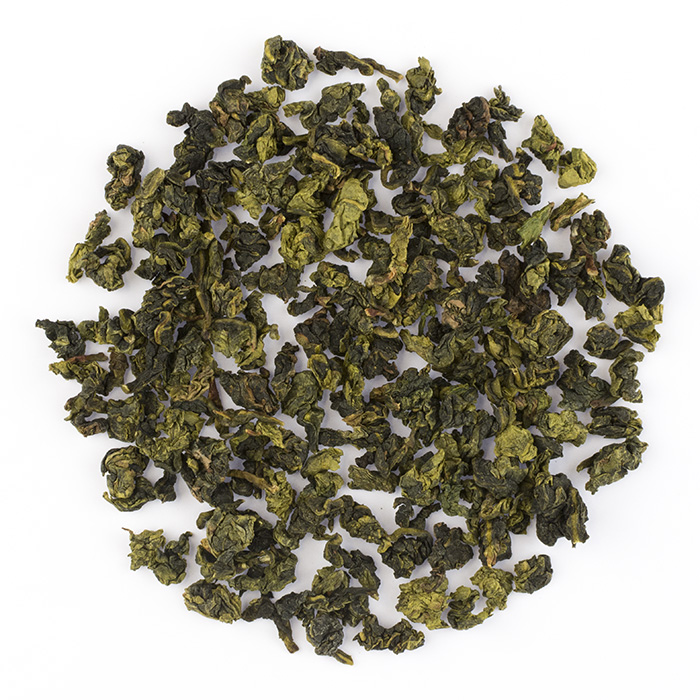
The most commonly recognized oolong tea is Tie Guan Yin, also referred to as “Iron Buddha” or “Iron Goddess of Mercy”. This famous luxury oolong tea variety comes from the Fujian region in southern China and is produced from gently fermented leaves.
Place of origin: CHINA
2.340 Ft – 9.230 Ft

Teaware:
glass or porcelain teapot

Amount of Tea Leaves:
5-7 grams/ 150–250 ml of water

Water Temperature:
80 – 85 °C

Steep Time:
1 minute
Description
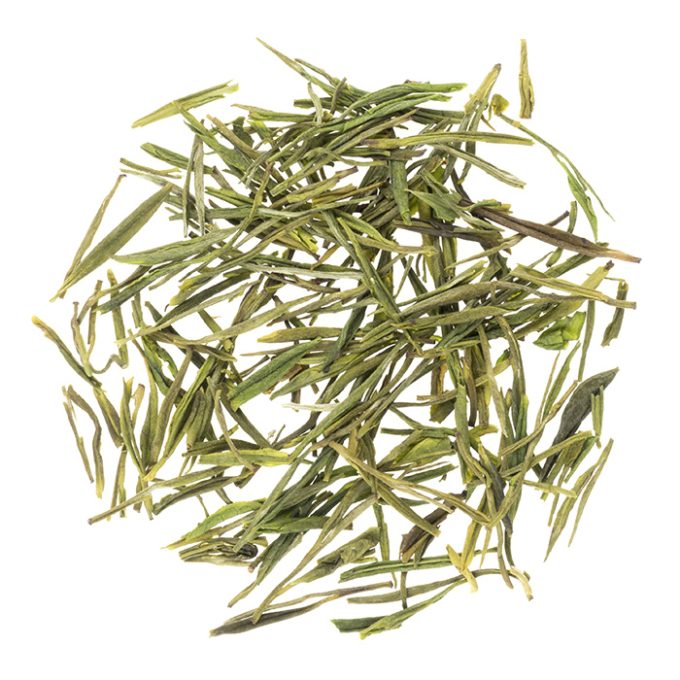
The most commonly recognized oolong tea is Tie Guan Yin, also referred to as “Iron Buddha” or “Iron Goddess of Mercy”. This famous luxury oolong tea variety comes from the Fujian region in southern China and is produced from gently fermented leaves. The tea is expertly brewed implementing the traditional “Baorou” method. When using this technique, they dry and oxidize tea leaves and wrap them in a cloth, gently rolling them into tight balls.
History
In Fujian’s Anxi County, there was a crumbling temple where the Bodhisattva of Compassion, Guanyin, stood in the form of a bronze statue. Every day, a poor farmer named Wei strolled along the route leading to the tea fields and fretted over the temple’s deteriorating condition. He firmly believed that “something must be done!” Wei thought about sweeping the area around the temple and keep it clean, given he could not afford to restore it. And so, he did. After his efforts, Wei gave offerings to Guanyin and lighted incense as a symbol of his respect. “This is the least I can do”, he thought to himself. And from that day onwards, he repeated this ritual twice a month for several months. In a dream one night, Guanyin revealed to him that there was a treasure stashed away in a cave behind the temple. He had to take the treasure and share it with others. However, the farmer didn’t find treasure in the cave, but a small tea bush instead. He brought it home and planted it on his own land. The bush eventually grew into a large plant, from which had the finest tea in all the land. He gave all of his neighbours cuttings from this peculiar and rare plant and then began marketing the tea as “Tieguanyin” after the Bodhisattva of Mercy. Over time, Wei and all his neighbours’ life prospered. The devastated Guanyin temple was restored and came as a symbol of the region. Since then, Lord Wei has cheerfully welcomed the tea fields on his journeys and has never missed the chance to show homage to the beautiful temple.
Preparation
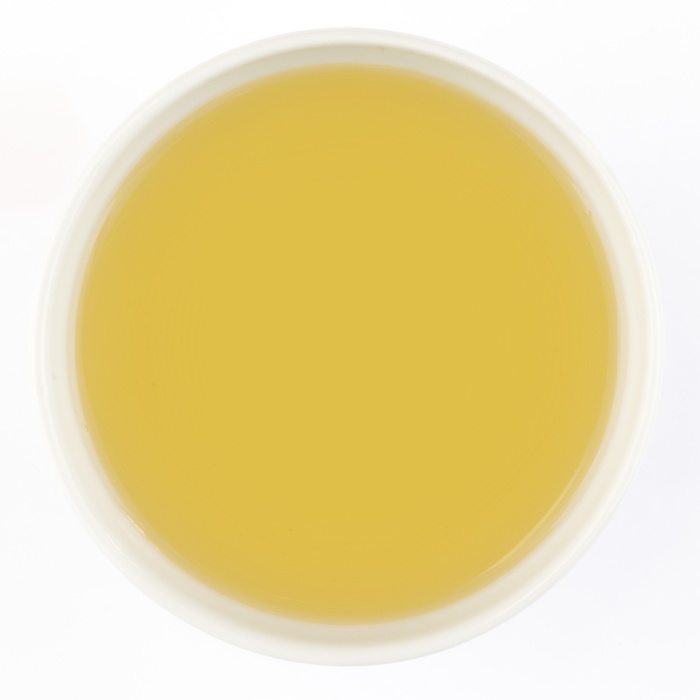
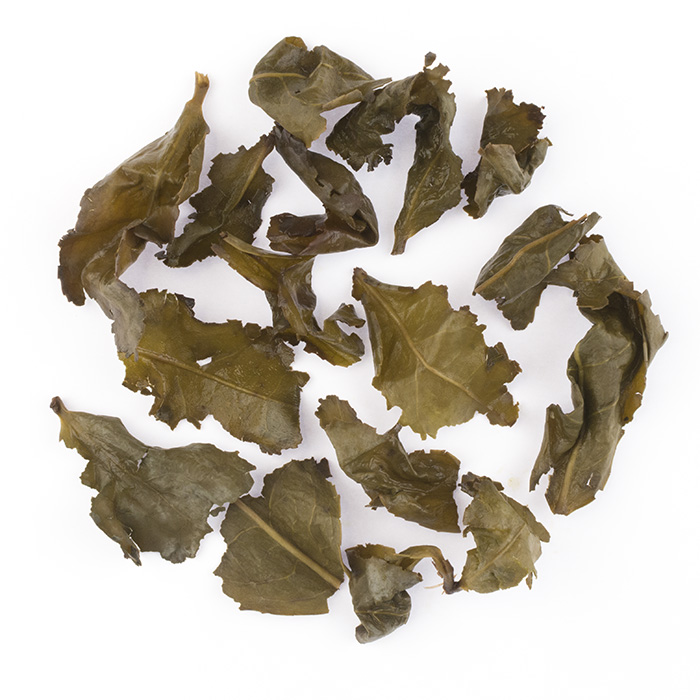
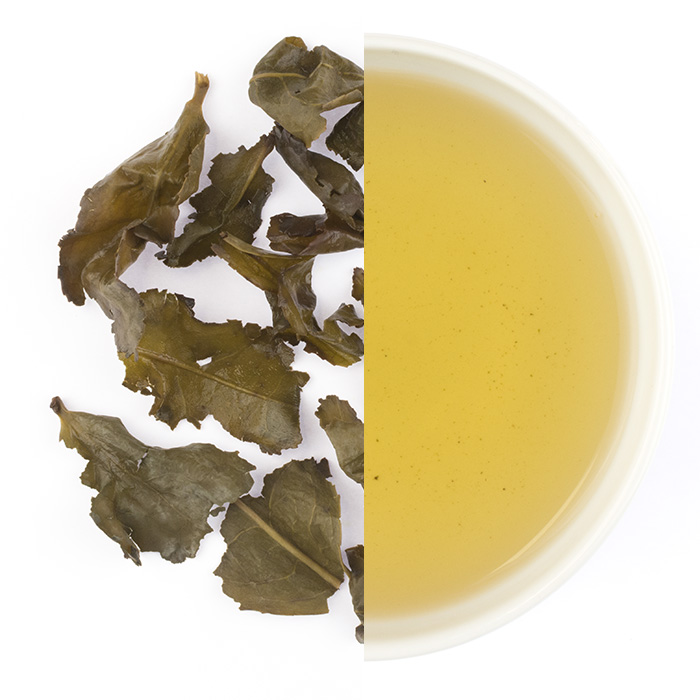
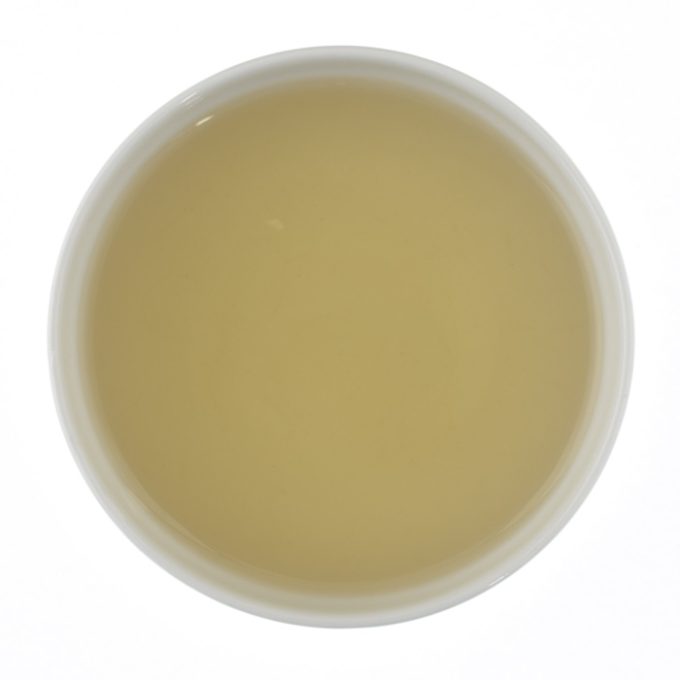
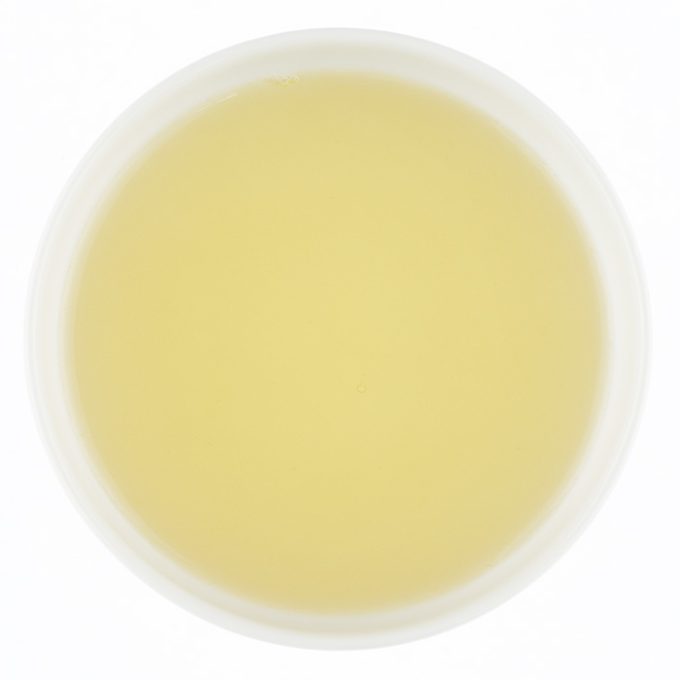
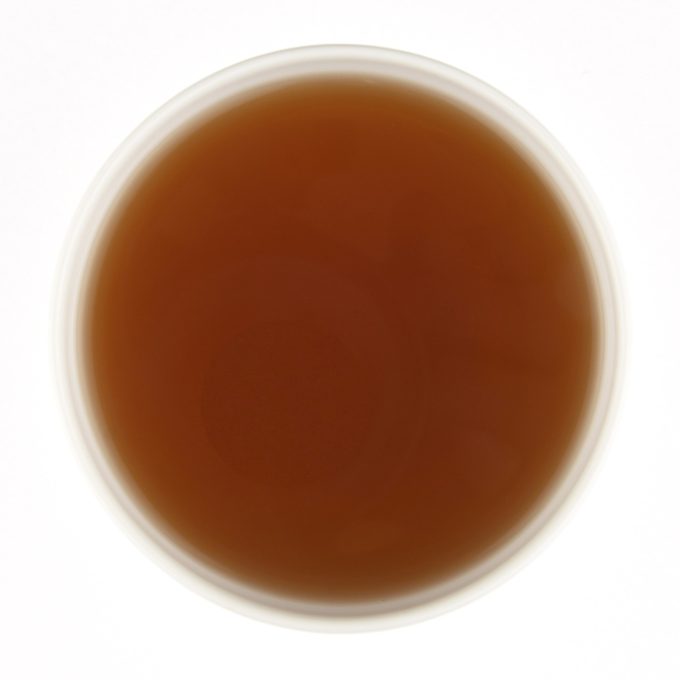
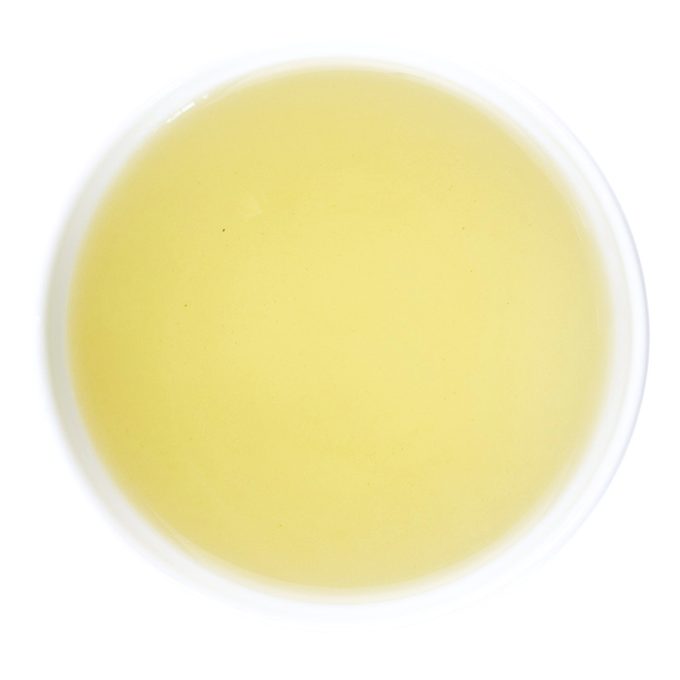
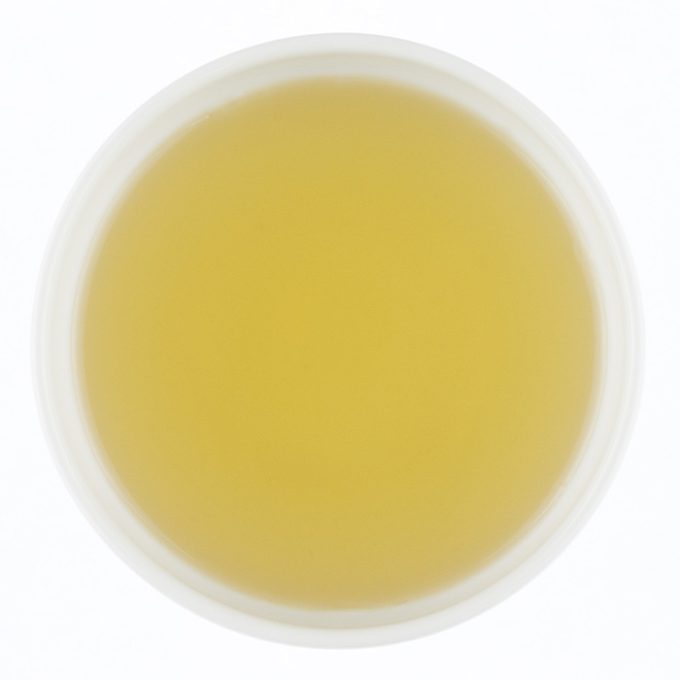
To prepare, use a glass or porcelain teapot. Rinse the teacups and teapot with hot water. For every 150 – 250 ml of water, use 3 teaspoons (or around 5 – 7 grams) of tea leaves. Pour 80 °C to 85 °C water over the tea leaves and let the first infusion steep for a minute. Make sure to shorten the second infusion to about 30 seconds. For further infusions, gradually lengthen the steeping time and, if preferred, raise the water’s temperature. During steeping, the tea leaves will delicately unfold, releasing all the irresistible flavours and aromas that the brew holds. The finished tea will have a clear, golden-yellow hue, with a delicate, invigorating aroma reminiscent of orchids and a gentle, lingering metallic aftertaste. It’s the perfect beverage to have after meals considering it aids with digestion and encourages alertness. Due to its excellent fat-burning properties, it is also used as a weight loss tea.
Related products
-

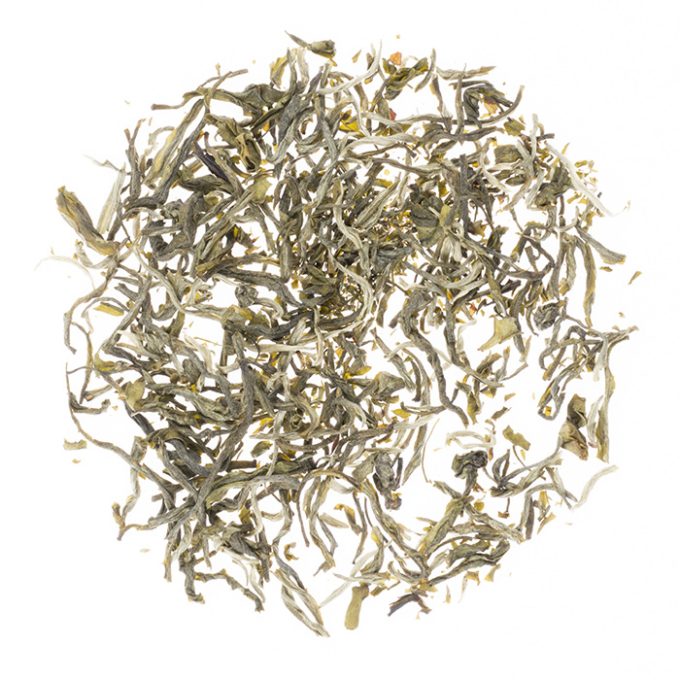
Yunnan Silver Buds green tea
2.400 Ft – 9.350 Ft -
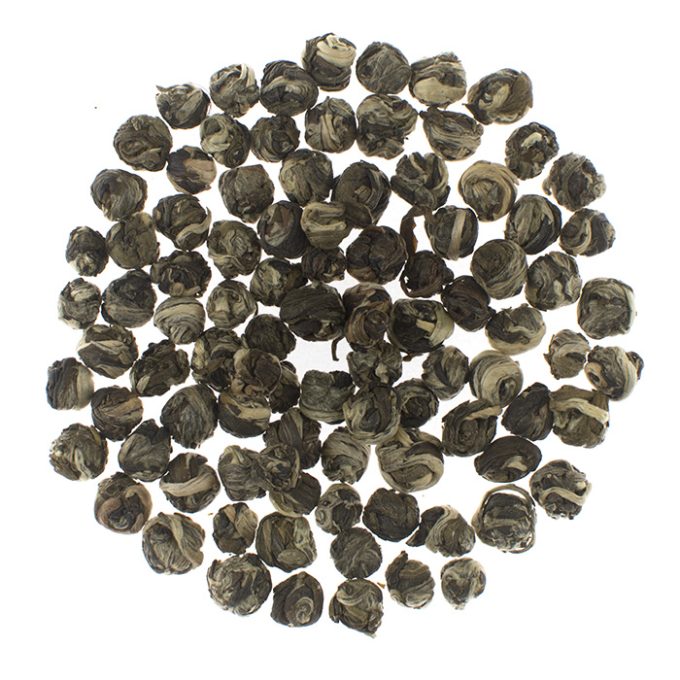
Jasmine Dragon Pearl green tea
2.880 Ft – 10.670 Ft -
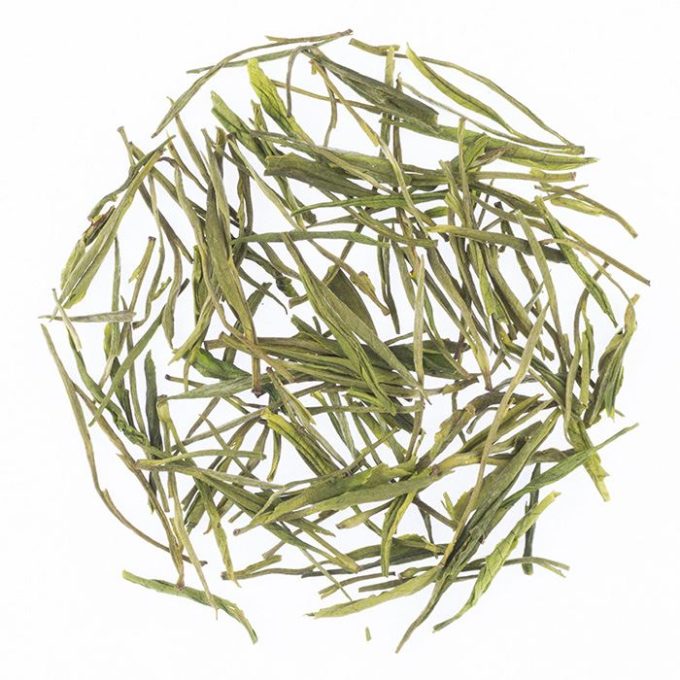
HuangShan Maofeng green tea
3.450 Ft – 12.150 Ft -
2004 Old Icelandic Aged Pu-erh Tea Másolata Másolata Másolata Másolata
2.340 Ft – 27.900 Ft -
Lang He Cha Yunnan Toucha pu-erh tea
2.500 Ft – 8.320 Ft -
Bai Ya Bao White Tea
2.760 Ft – 10.350 Ft -
Que Zui Ya Bao white tea
2.940 Ft – 10.830 Ft -
2015 Yunnan Menghai Dayi Sheng Pu-erh Tea (7552)
2.760 Ft – 32.844 Ft -
Anji Bai Cha green tea
3.600 Ft – 12.550 Ft -
Suzhou Bi Luo Chun green tea
3.000 Ft – 10.950 Ft -
Double Flower 2003 Yunnan Sheng Pu-erh Tea
2.250 Ft – 26.775 Ft -
Tai Ping Hou Kui green tea
2.940 Ft – 7.840 Ft




 No products in the cart.