

Long Jing green tea
A classic Chinese green tea from the Hangzhou region, with a fresh, smooth character, delicate sweetness and distinctive roasted, chestnut-like aromas.
Place of origin: CHINA
3.790 Ft – 13.030 Ft

Teaware:
Glass or porcelain teapot,
or a glass cup

Amount of Tea:
4–5 g per 150–250 ml of water

Water Temperature:
70–75 °C

Steeping time:
1 minute
Description
Long Jing, also known as Dragon Well, is one of China’s best-known green teas. This tea comes from the Hangzhou region of Zhejiang Province, an area that has been closely associated with the tradition of Long Jing tea production for centuries.
One of the most distinctive features of Long Jing is its processing. The freshly picked leaves are traditionally heated in a wok, where they are shaped and dried using characteristic hand movements. This process creates the flat, smooth leaf shape typical of Long Jing and contributes to the tea’s distinctive aromatic character.
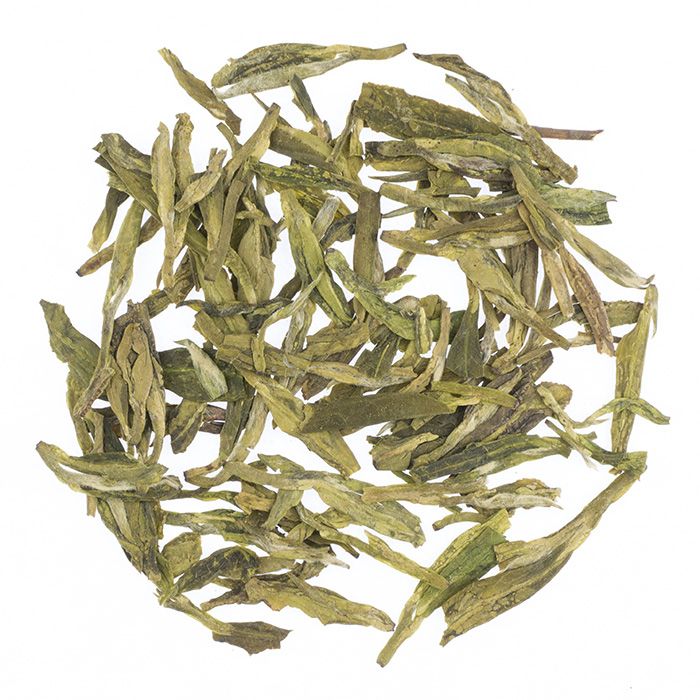
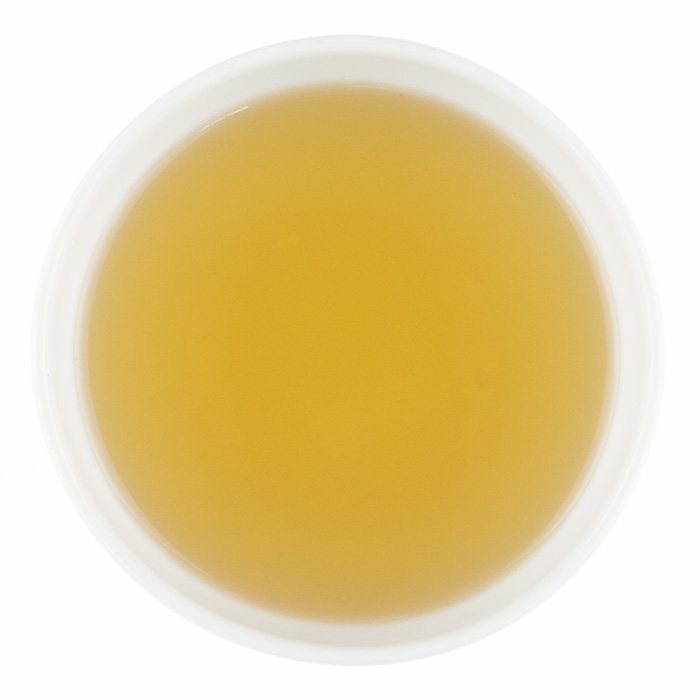
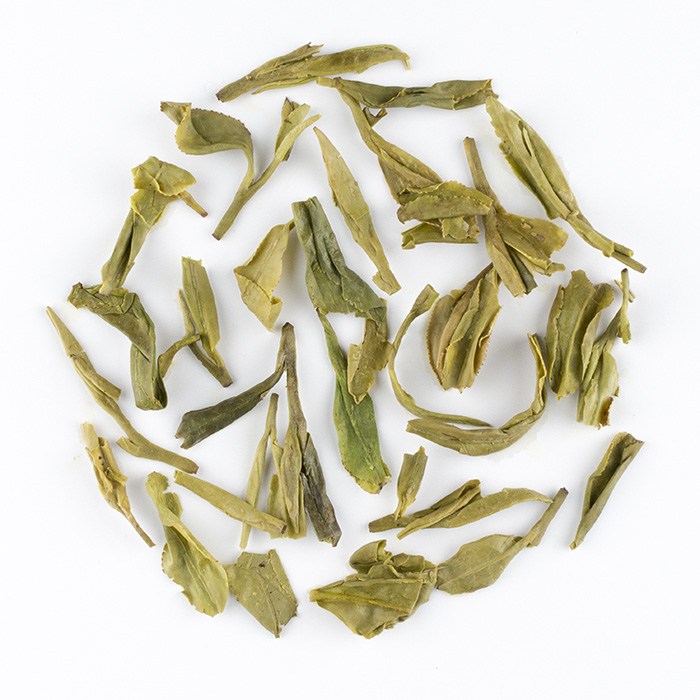
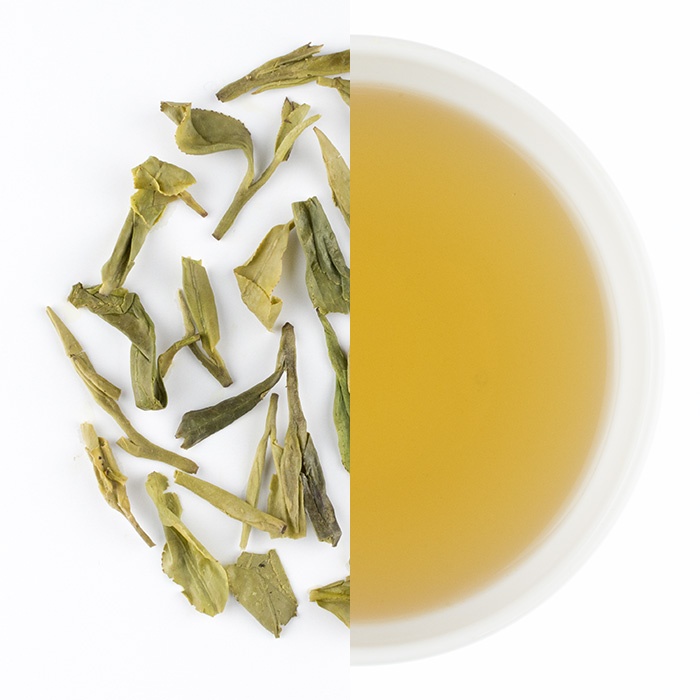
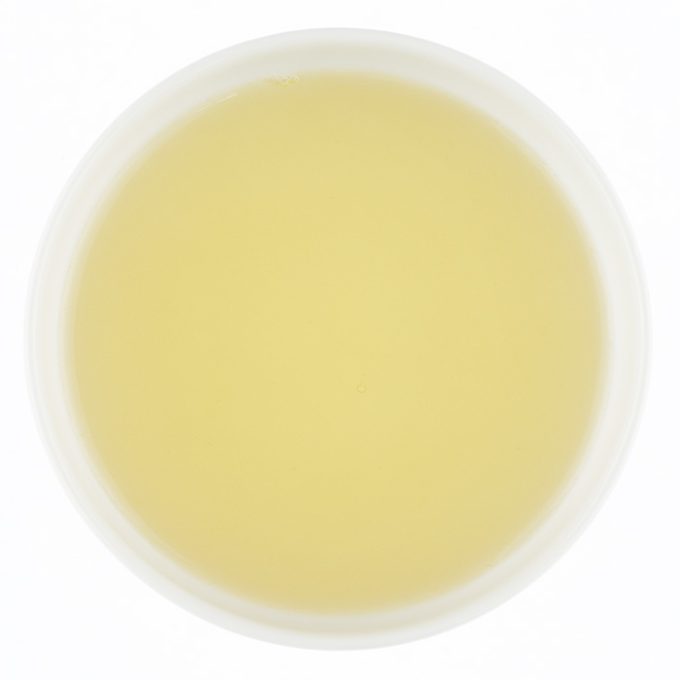
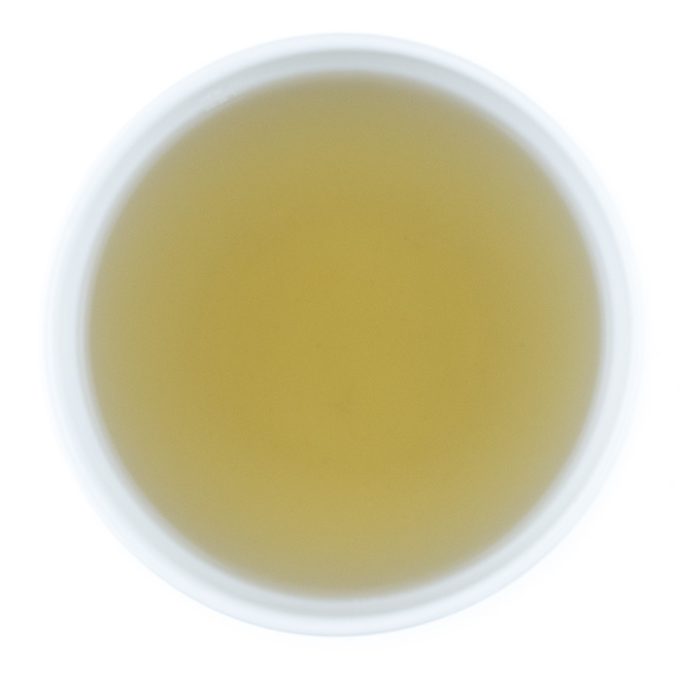
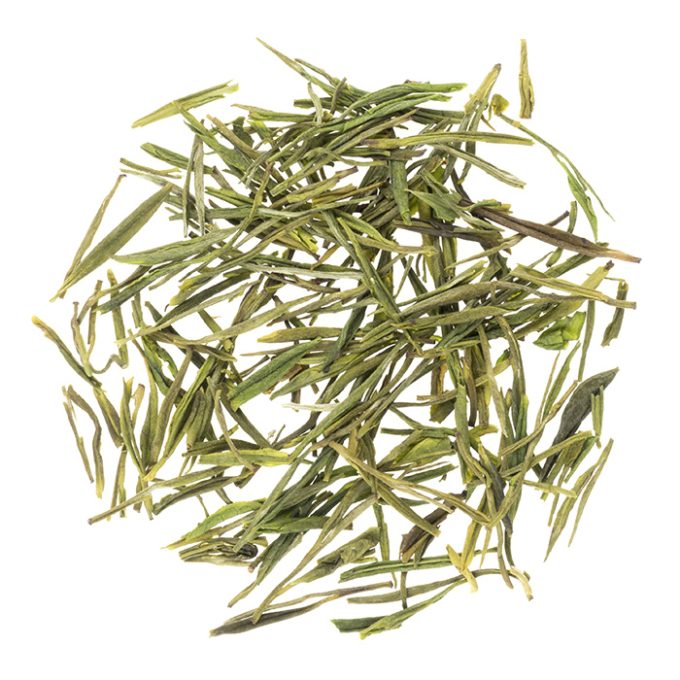
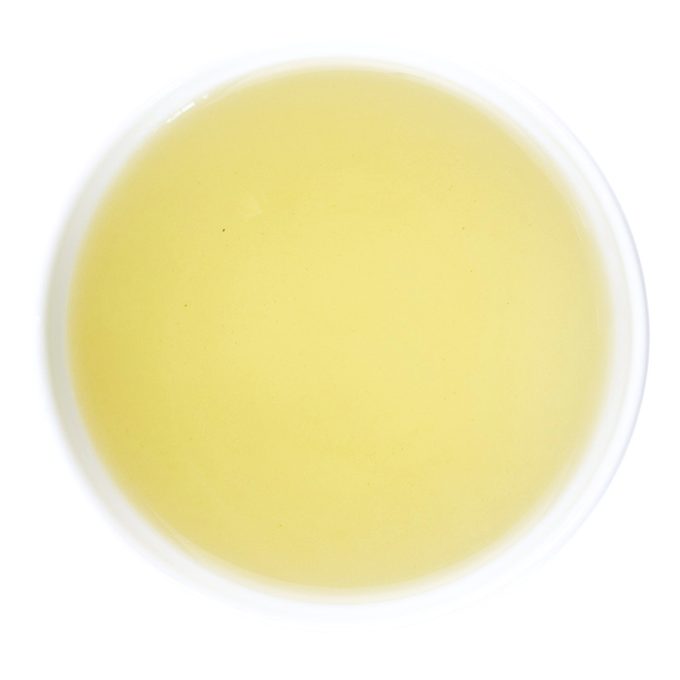
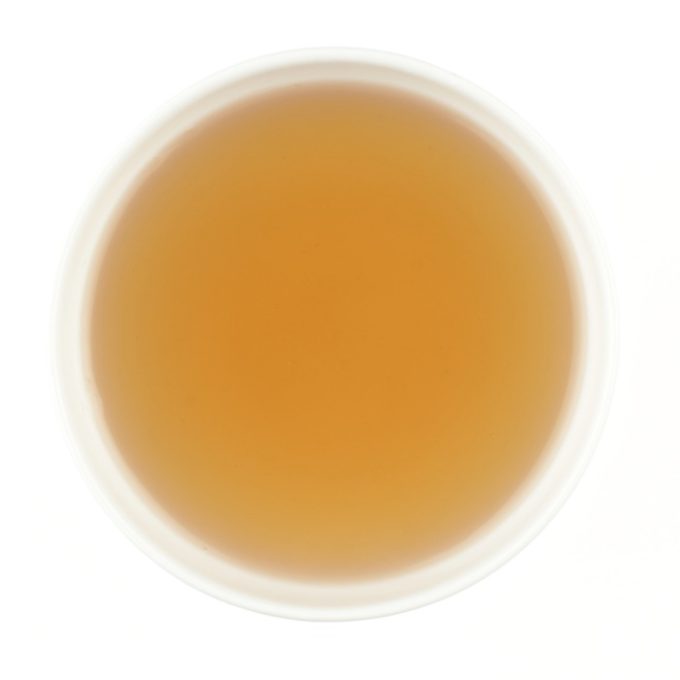
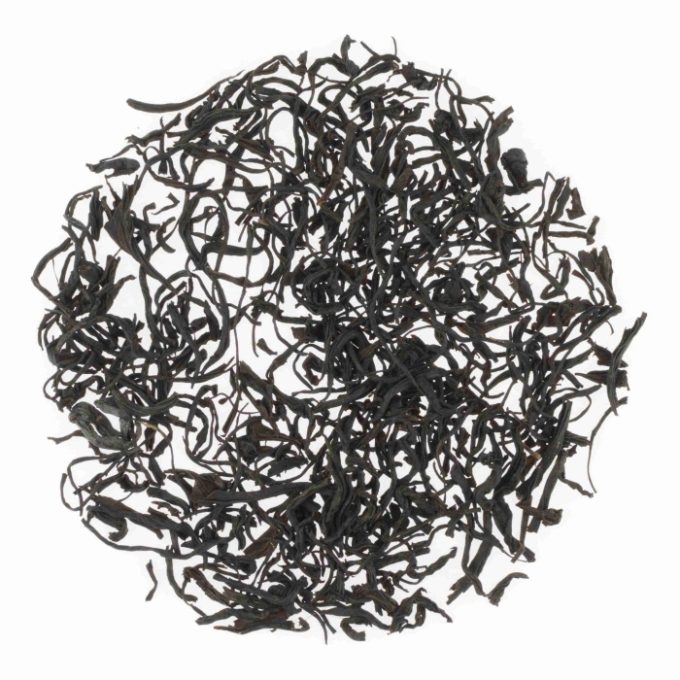
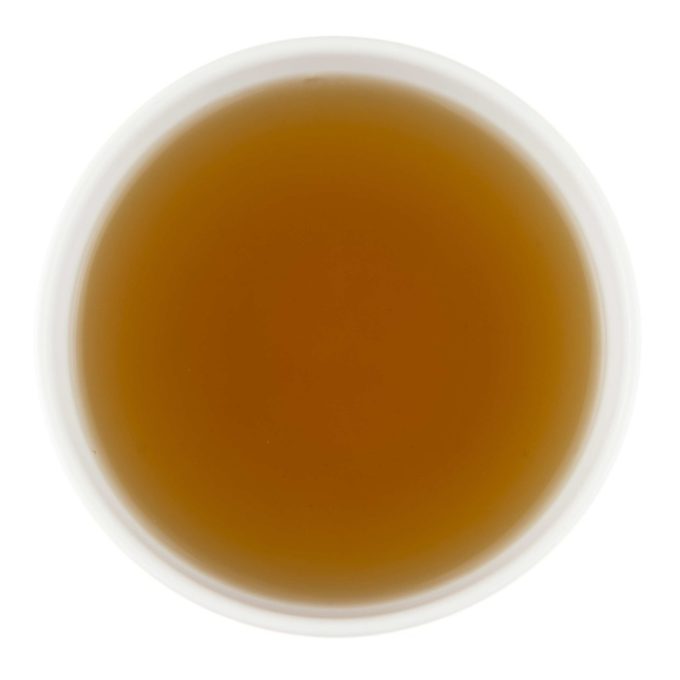
The dry tea consists of flat, elongated leaves in shades of green and olive-yellow. Once infused, it produces a clear, golden-yellow liquor, while the leaves gradually unfold and take on a lighter yellow-green colour.
Its flavour is fresh, clean and smooth, with a delicate sweetness. Fresh vegetal notes are complemented by gently roasted, chestnut-like aromas and a pleasantly lingering finish.
History
The history of Long Jing stretches back more than a thousand years and is closely intertwined with the tea culture of the Hangzhou region. Its reputation gradually grew over the centuries, eventually making Long Jing one of China’s best-known green teas.
Numerous legends and traditions are associated with its history. One of the best known concerns Emperor Qianlong of the Qing Dynasty, who is said to have developed a particular appreciation for Long Jing tea during his visits to Hangzhou. According to tradition, he granted imperial status to eighteen tea bushes. The story remains one of the best-known elements of Long Jing’s cultural heritage.
A distinctive feature of traditional Long Jing production is its manual pan-firing technique. Tea masters use a series of skilled hand movements to shape the leaves, control their moisture and develop the tea’s characteristic aroma. This technique requires considerable experience and remains an important part of Long Jing tea culture.
Preparation
Use 4–5 g of tea per 150–250 ml of water, preferably at 70–75 °C. You can prepare it in a porcelain or glass teapot, or simply in a glass cup; the latter is particularly suitable for observing the flat leaves as they gradually unfold.
Steep the first and second infusions for approximately 1 minute. For subsequent infusions, gradually increase the steeping time and, if necessary, the water temperature.
Related products
-

2004 Old Icelandic Aged Pu-erh Tea Másolata
2.400 Ft – 28.560 Ft -
Yunnan Silver Buds green tea
2.400 Ft – 9.350 Ft -
HuangShan Maofeng green tea
3.450 Ft – 12.150 Ft -
Culinary Matcha green tea powder
5.100 Ft -
Moonlight White Buds white tea
3.120 Ft – 8.320 Ft -
2004 Old Icelandic Aged Pu-erh Tea
1.590 Ft – 10.600 Ft -
Bai Hao Yin Zhen White Tea
3.150 Ft – 11.350 Ft -
Double Flower 2003 Yunnan Sheng Pu-erh Tea
2.250 Ft – 26.775 Ft -
Anji Bai Cha green tea
3.600 Ft – 12.550 Ft -
Khar Chauk burmese wild green tea
2.040 Ft – 8.390 Ft -
Lapsang Souchong Chinese Black Tea
1.080 Ft – 5.830 Ft -
Lang He Cha Yunnan Toucha pu-erh tea
2.500 Ft – 8.320 Ft




 No products in the cart.