

Xinyang Mao Jian Green tea
A classic Chinese green tea from Henan Province, with finely twisted leaves, a fresh, smooth character and pleasantly sweet, vegetal aromas.
Place of origin: KÍNA
2.700 Ft – 10.100 Ft

Type of teapot:
Glass or porcelain teapot

Amount of tea:
3–4 g / 150 ml

Water temperature:
70–75 °C

Steeping time:
2 minutes
Description
Xinyang Mao Jian is one of China’s classic green teas, originating from the Xinyang region in southern Henan Province. The area’s mountainous landscape and long-established tea culture have shaped local tea cultivation for centuries.
The name Mao Jian refers to the tea’s distinctive appearance: “mao” refers to the fine down found on young leaves and buds, while “jian” refers to their pointed tips. After harvesting, the carefully selected leaves are rested, then heated at high temperature in a pan to stop oxidation. They are subsequently rolled, shaped and dried in several stages, creating the characteristic thin, tightly twisted leaf shape of Xinyang Mao Jian.
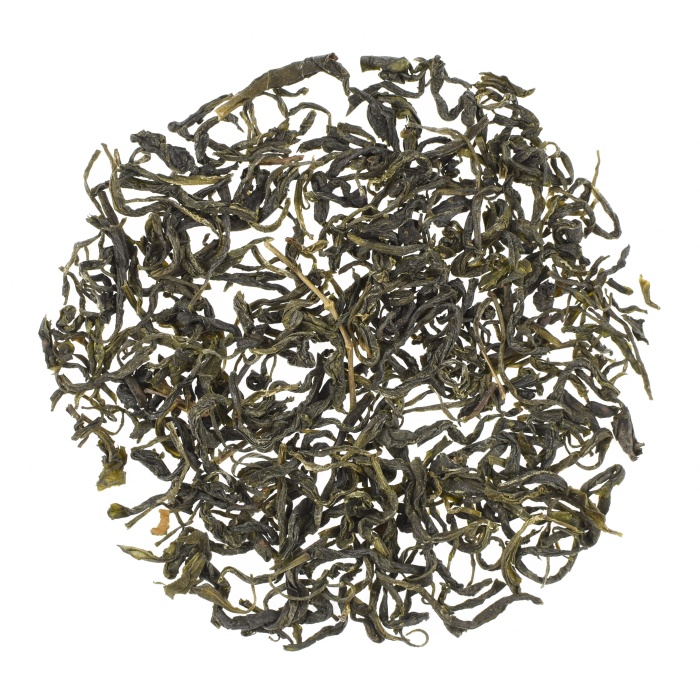
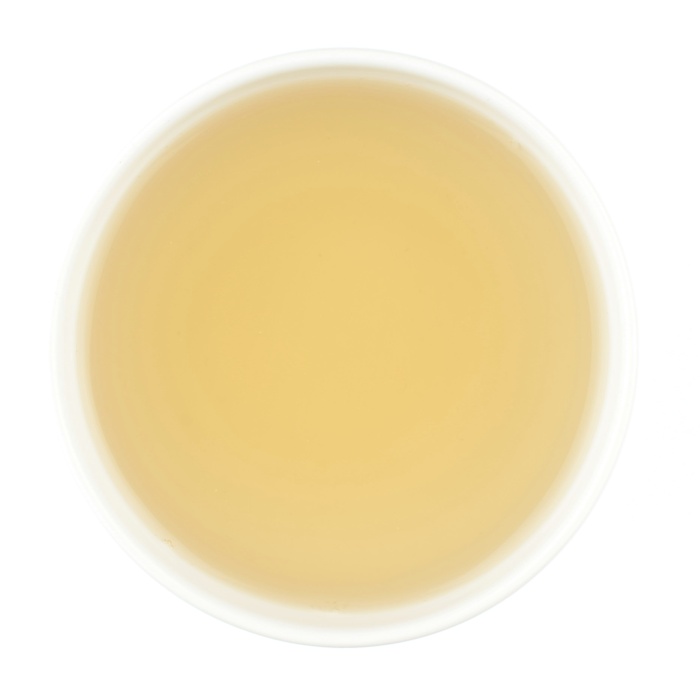
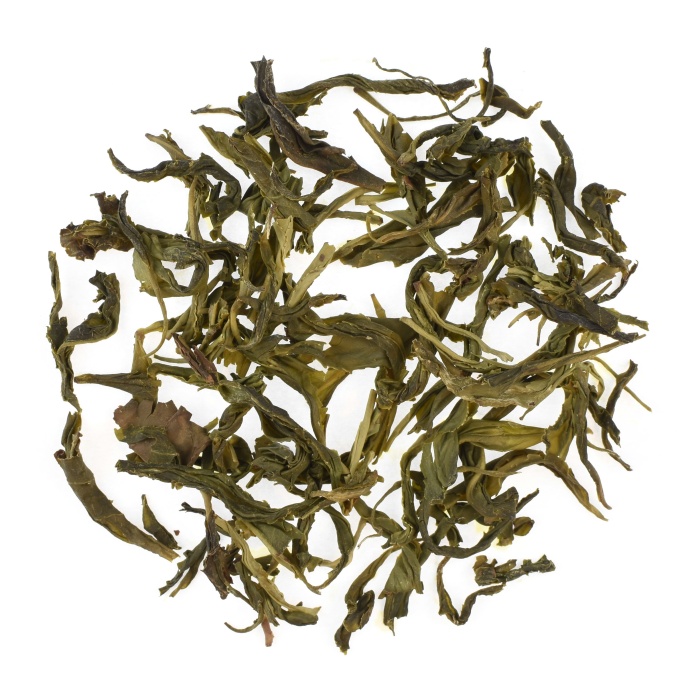
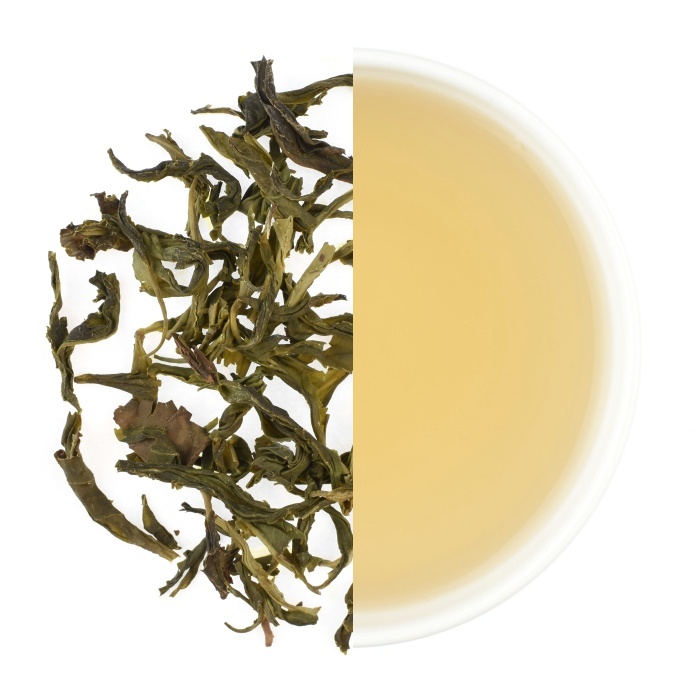
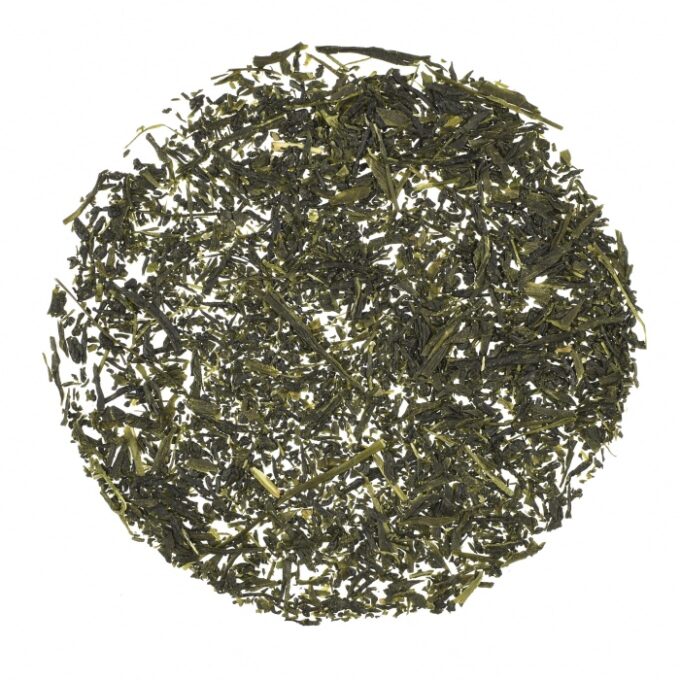
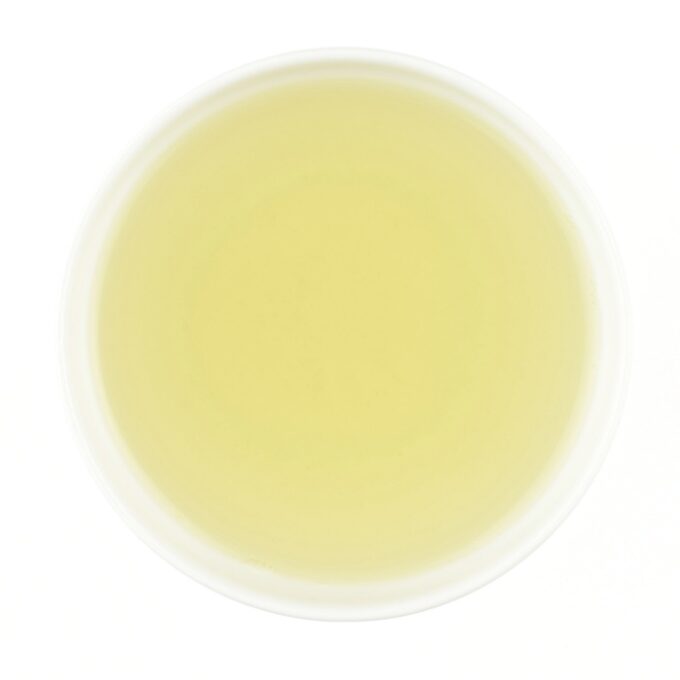
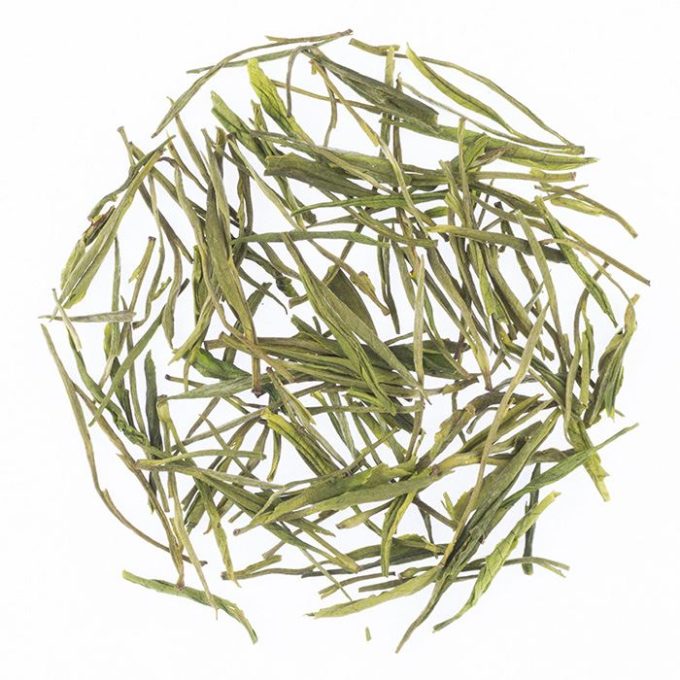
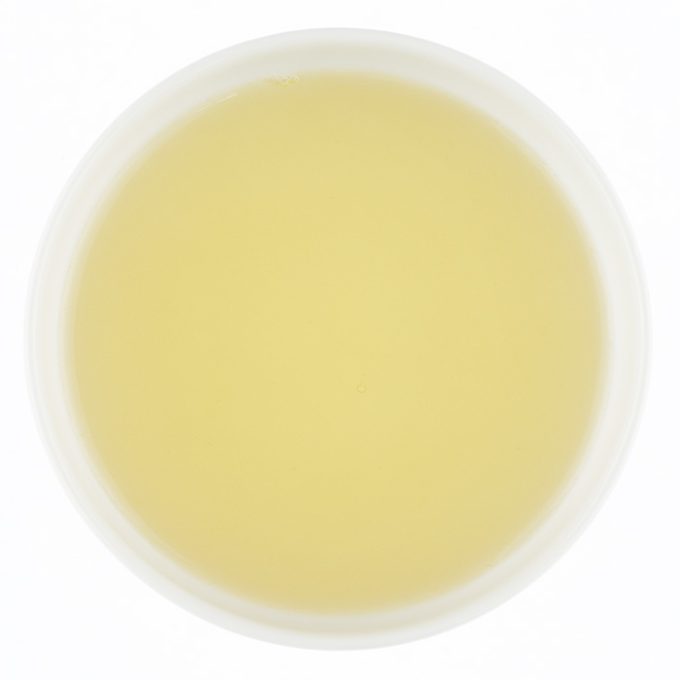
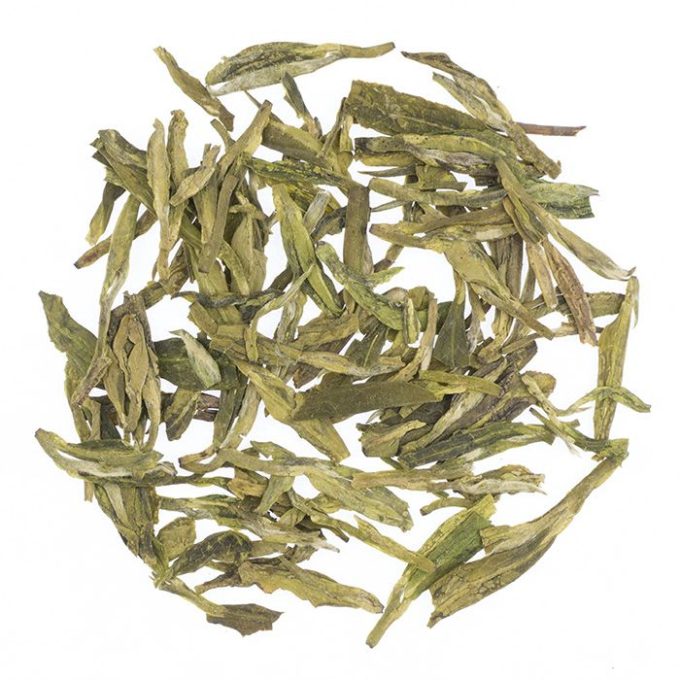
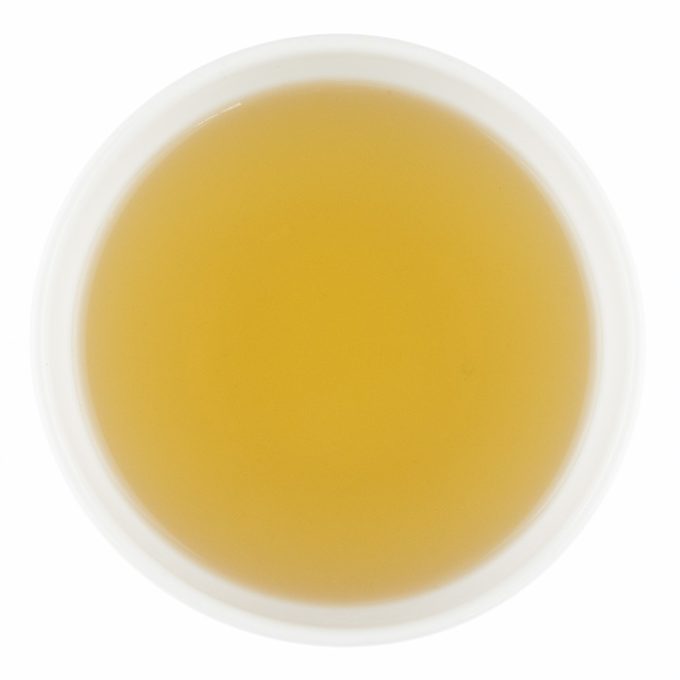
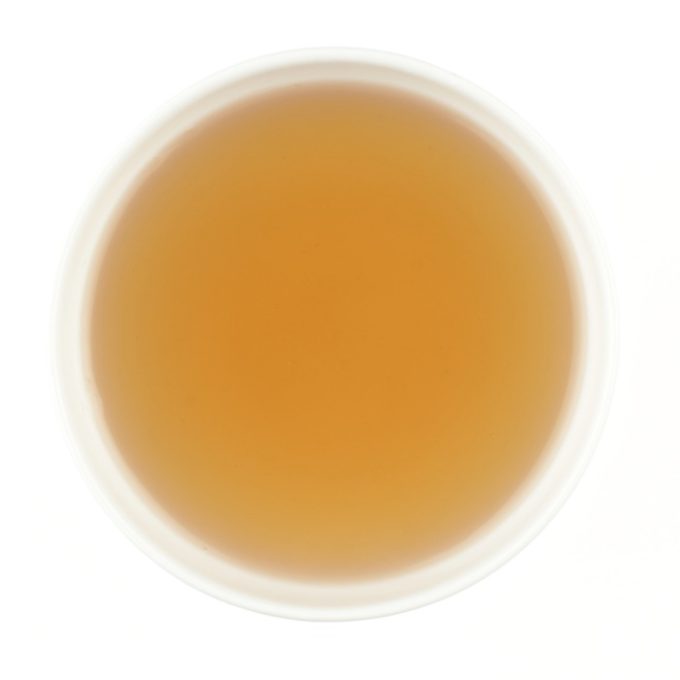
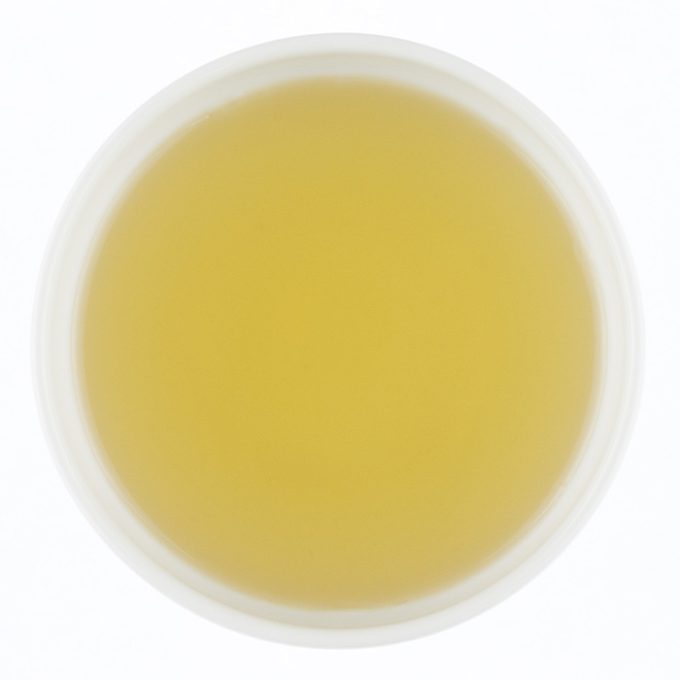
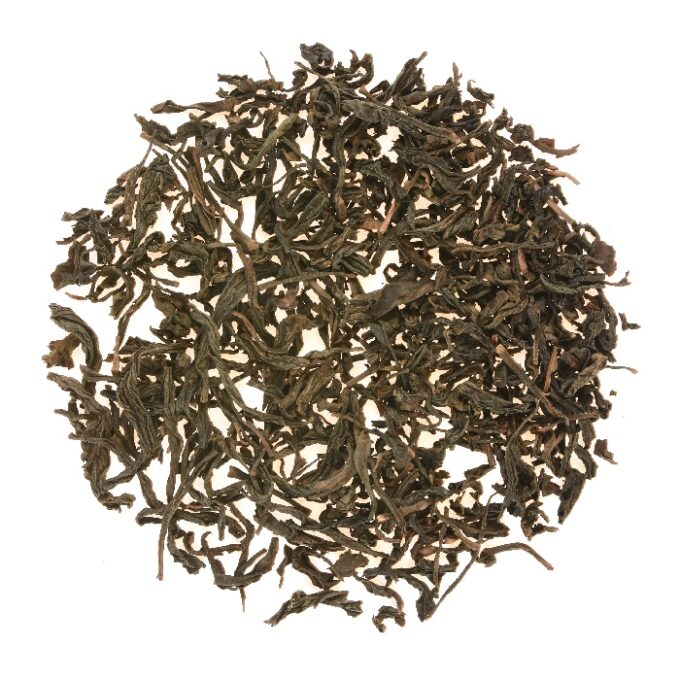
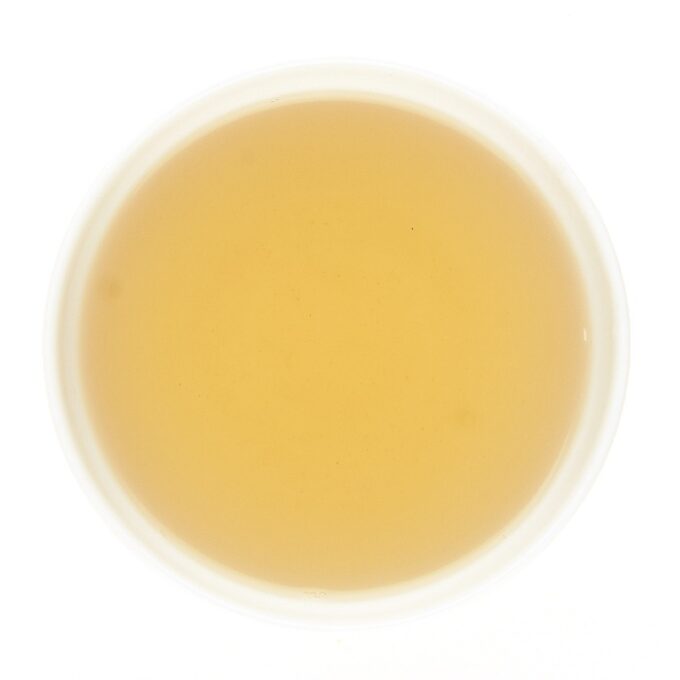
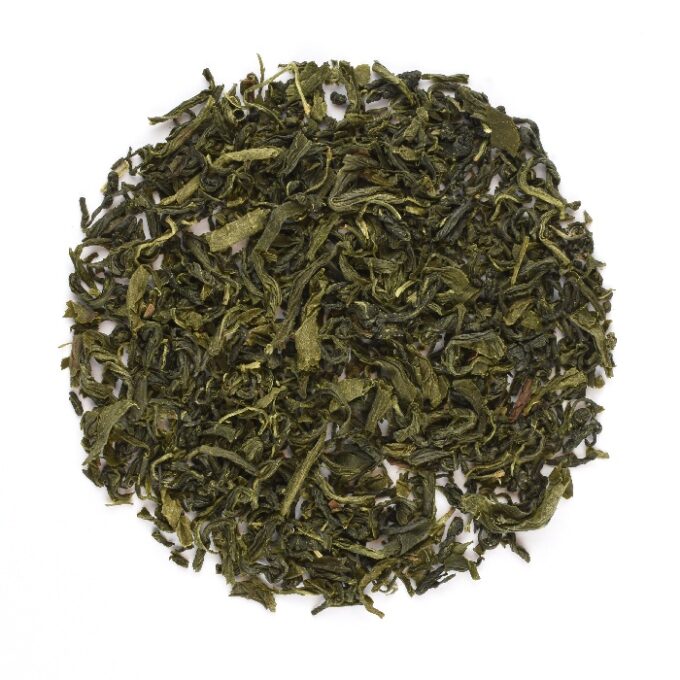
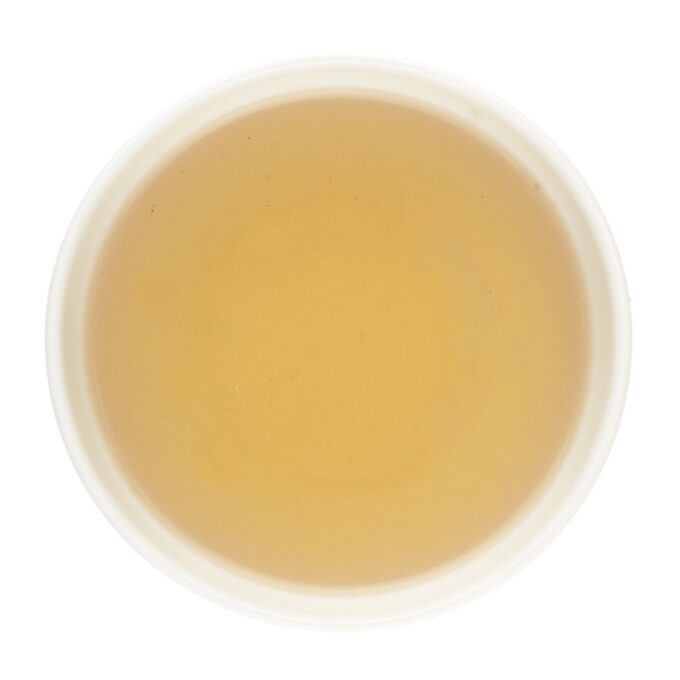
The dry tea consists of elongated, thin, tightly twisted leaves in shades of dark green and olive green. Once infused, it produces a clear, pale golden-yellow liquor. Over successive infusions, the leaves gradually unfold, revealing elongated leaf pieces in green and olive tones.
Its flavour combines fresh vegetal notes and delicate sweetness with gentle astringency and a clean, fresh finish. It is a well-balanced Chinese green tea that develops beautifully over several infusions.
History
The history of tea cultivation and consumption in the Xinyang region can be traced back more than two thousand years. Archaeological and historical evidence indicates that tea culture was already present in the area in ancient times, while during the Tang and Song dynasties Xinyang developed into an important tea-producing region.
However, it would not be accurate to trace the Xinyang Mao Jian we know today directly back several thousand years. The development of the modern tea is closely associated with local tea production during the late Qing dynasty and the early 20th century, when new tea gardens and tea-producing communities were established in the region and processing techniques were further refined.
Traditional Xinyang Mao Jian production requires considerable skill. After the leaves are carefully sorted and rested, they are pan-fired, rolled and shaped, followed by several stages of drying. This careful processing creates the tea’s characteristic thin, tightly formed leaves.
The traditional production technique of Xinyang Mao Jian is now part of China’s national intangible cultural heritage.
Preparation
Use 3–4 g of tea per 150 ml of water, preferably in a glass or porcelain teapot. Allow the water to cool to 70–75 °C, then steep the first infusion for approximately 2 minutes.
For subsequent infusions, gradually increase the steeping time and, if necessary, slightly increase the water temperature. The leaves gradually unfold over several infusions, so make sure they have enough room to open in the teapot.
Related products
-

Moonlight White Buds white tea
3.120 Ft – 8.320 Ft -
Miyazaki Sencha Green tea
3.300 Ft – 11.790 Ft -
2004 Old Icelandic Aged Pu-erh Tea
1.590 Ft – 10.600 Ft -
HuangShan Maofeng green tea
3.450 Ft – 12.150 Ft -
Long Jing green tea
3.790 Ft – 13.030 Ft -
Tie Guan Yin oolong tea
2.340 Ft – 9.230 Ft -
Khar Chauk burmese wild green tea
2.040 Ft – 8.390 Ft -
Suzhou Bi Luo Chun green tea
3.000 Ft – 10.950 Ft -
Lang He Cha Yunnan Toucha pu-erh tea
2.500 Ft – 8.320 Ft -
Hà Giang Chè Xanh green tea
1.560 Ft – 7.150 Ft -
Korean Jeju Organic green tea
2.100 Ft – 8.550 Ft -
Nokcha green tea
4.920 Ft – 16.070 Ft




 No products in the cart.