

Hà Giang Chè Xanh green tea
A distinctive Vietnamese green tea from the mountains of Hà Giang, made from the leaves of old tea trees, with a full, fresh character and delicately sweet, vegetal aromas.
Származási hely: Vietnám
1.560 Ft – 7.150 Ft

Teaware:
Gaiwan or small porcelain teapot

Amount of tea:
5–6 g / 100–150 ml

Water temperature:
75–80 °C

Steeping time:
10–15 seconds
Description
Hà Giang Chè Xanh is a green tea from the mountainous Hà Giang Province of northern Vietnam, close to the border with China’s Yunnan Province. The leaves are harvested from approximately 100-year-old tea trees growing at elevations above 1,000 metres, with local Hmong and Dao communities involved in the harvesting.
Chè xanh means green tea in Vietnamese. In the mountains of Hà Giang, old, large tea trees and traditional hand-processing methods remain an important part of the local tea culture. Teas from this region can differ considerably in both appearance and character from the precisely shaped green teas of China and Japan.
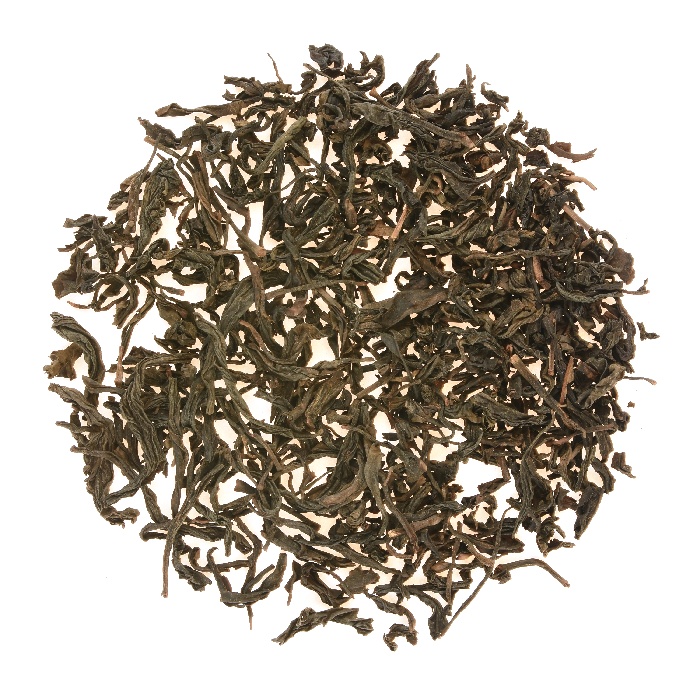
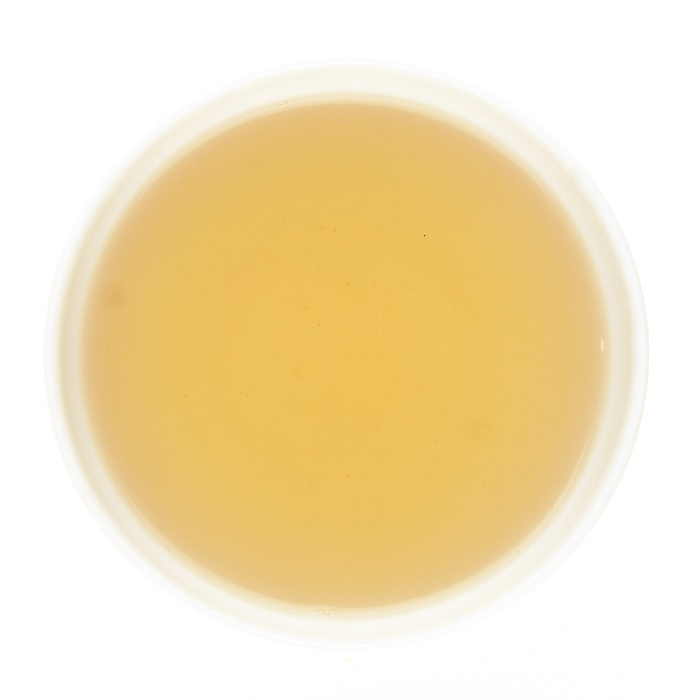
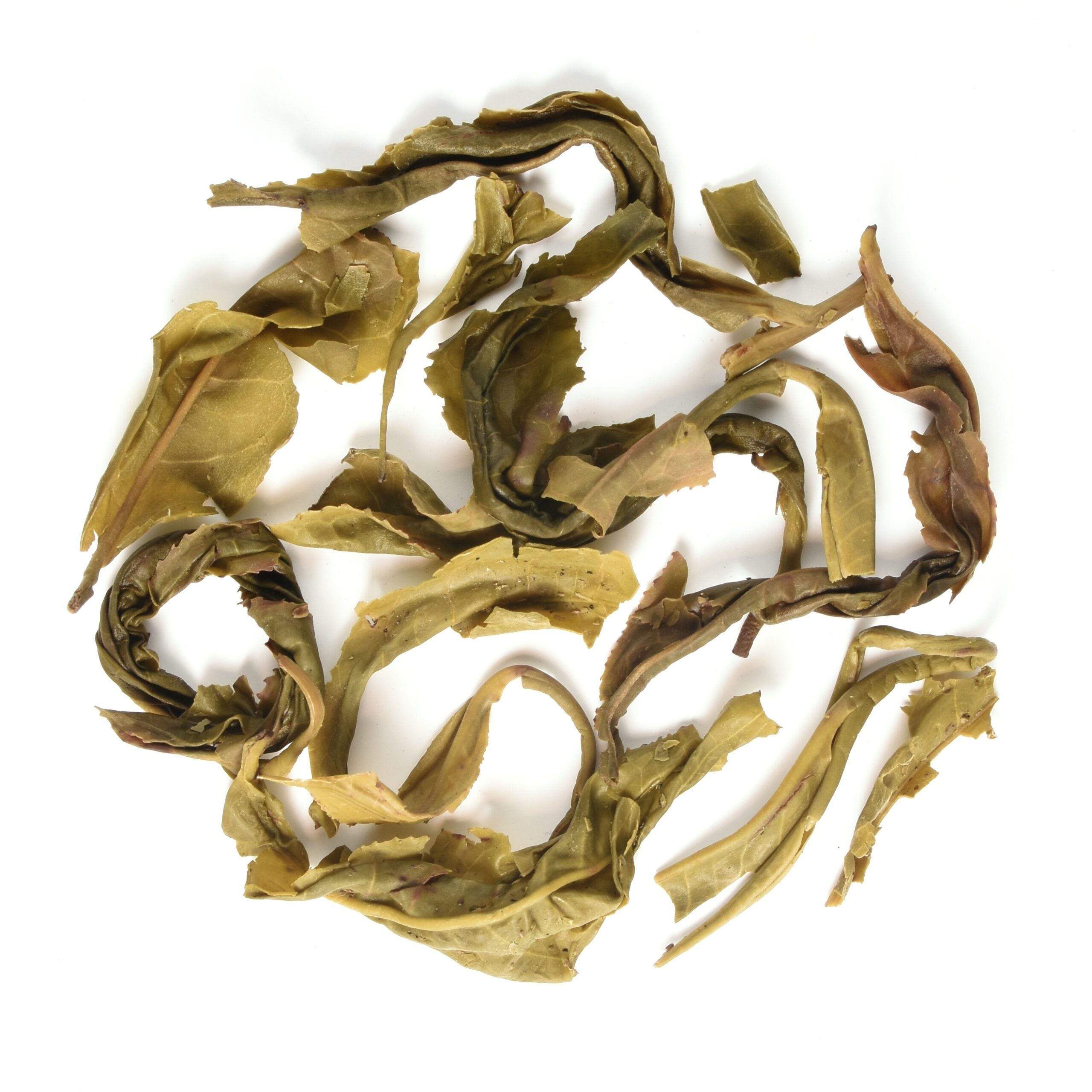
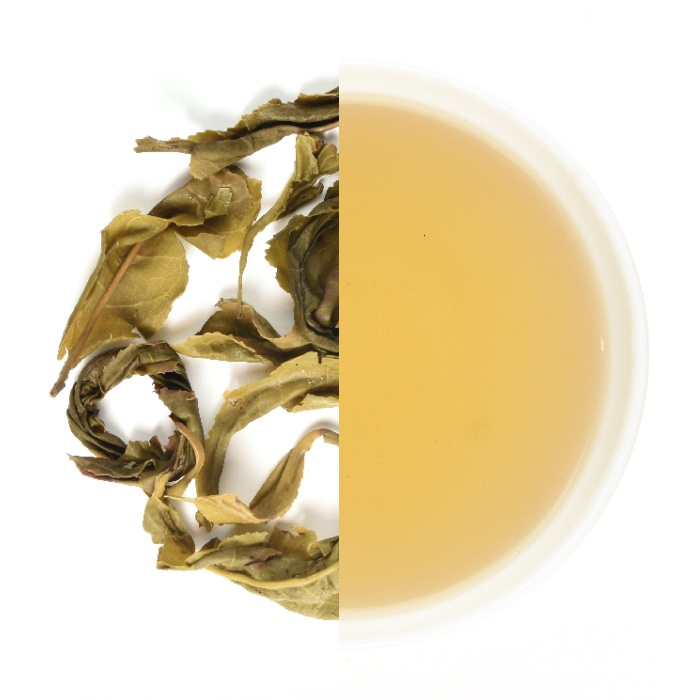
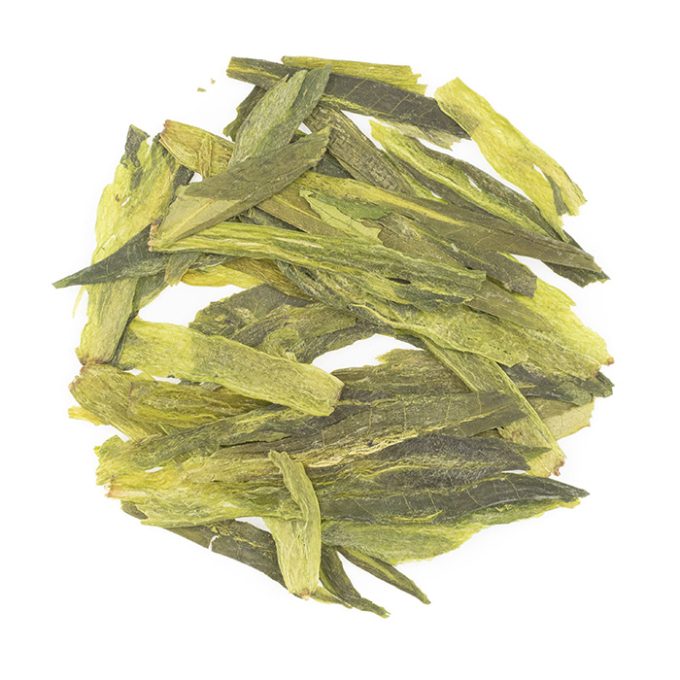
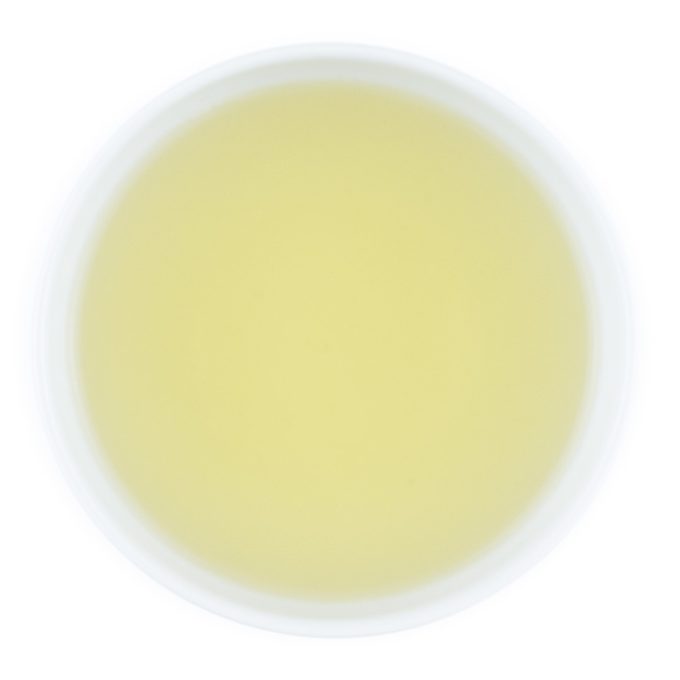
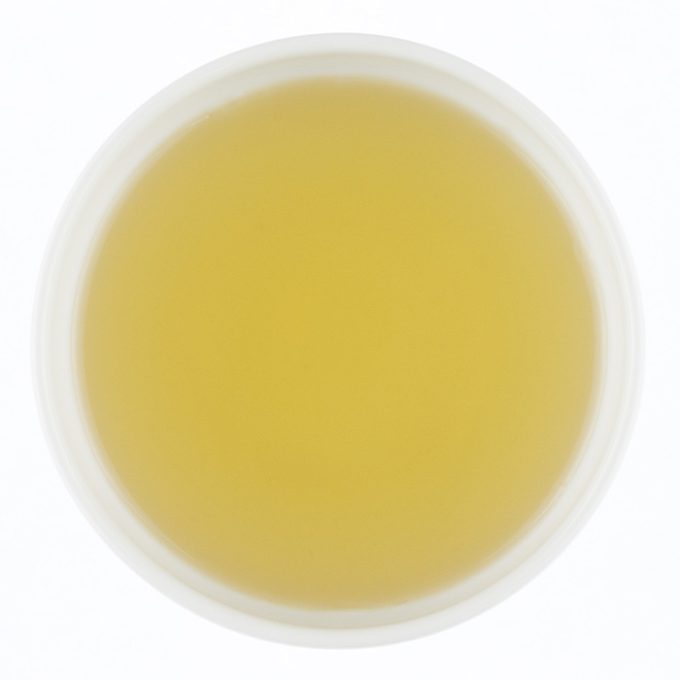
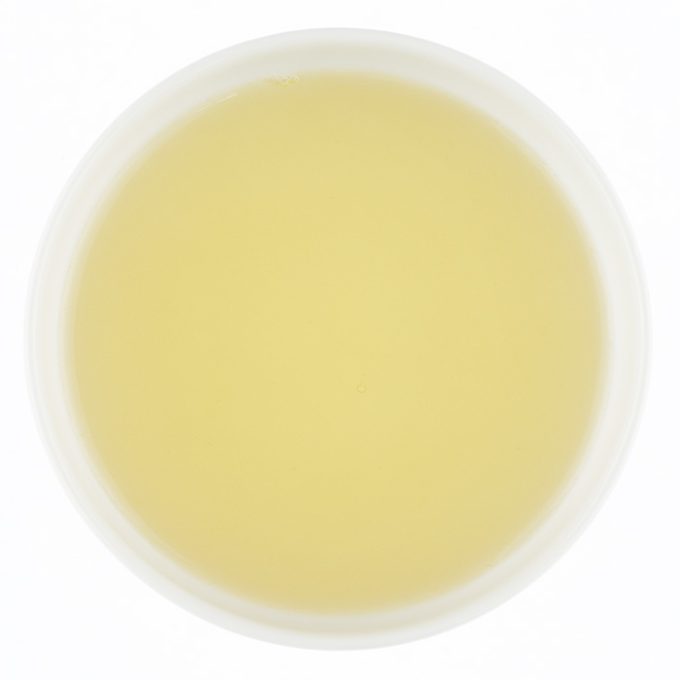
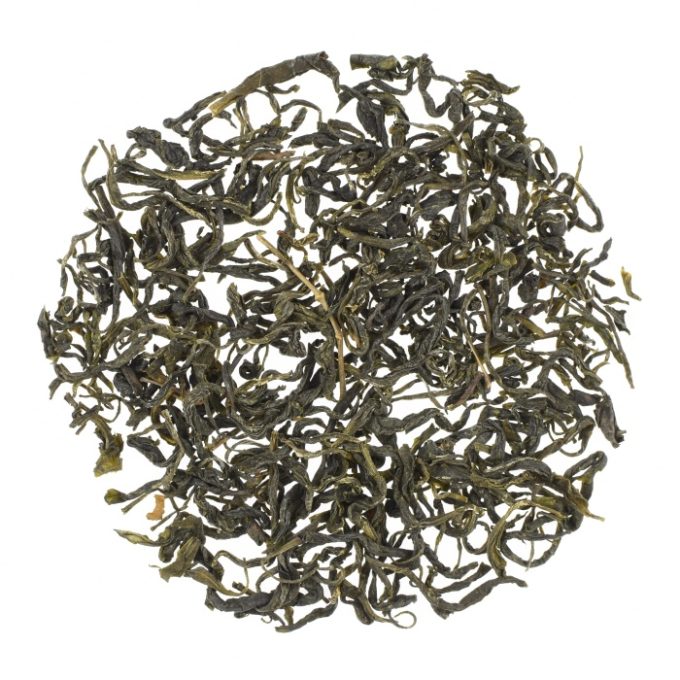
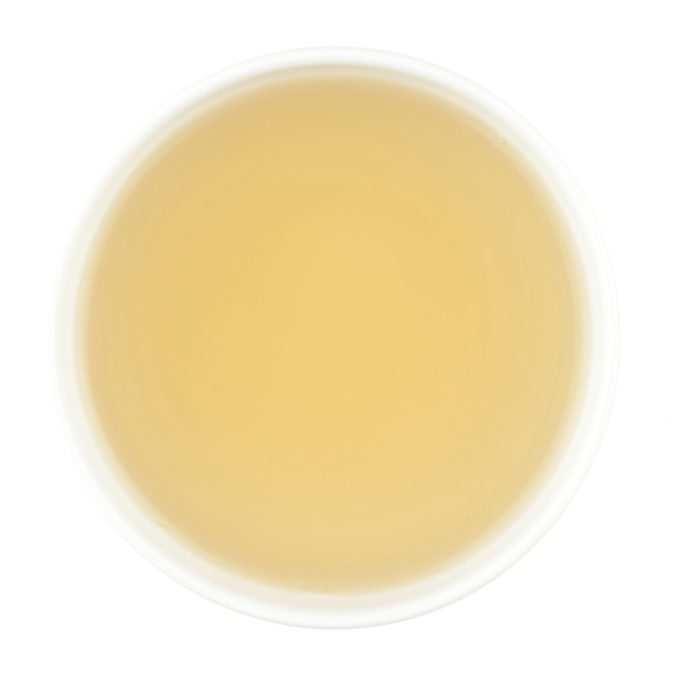
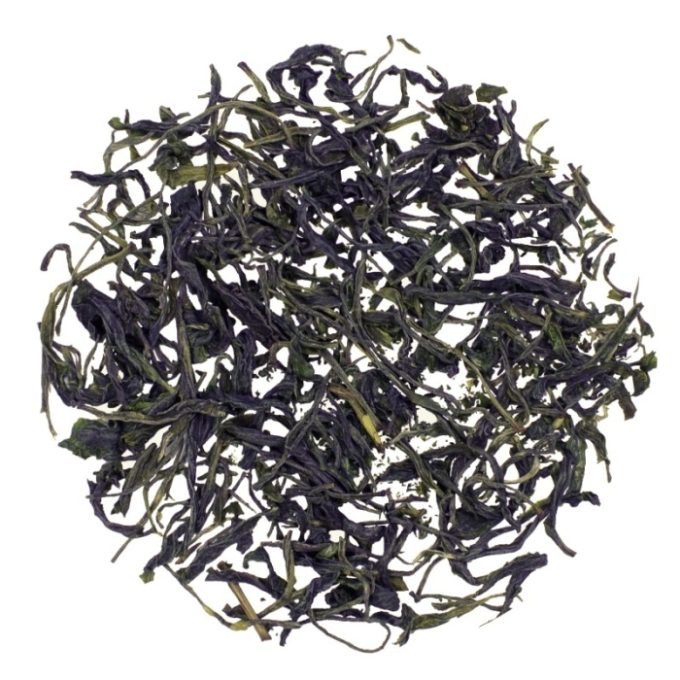
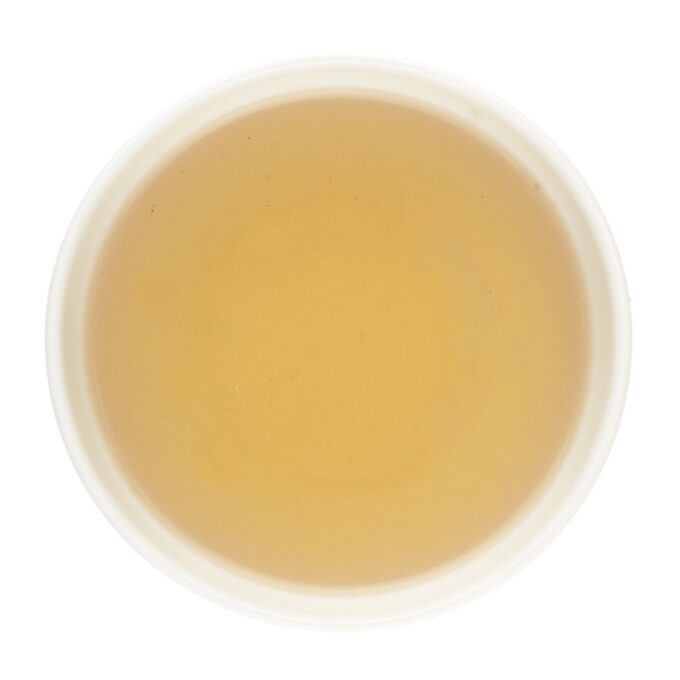
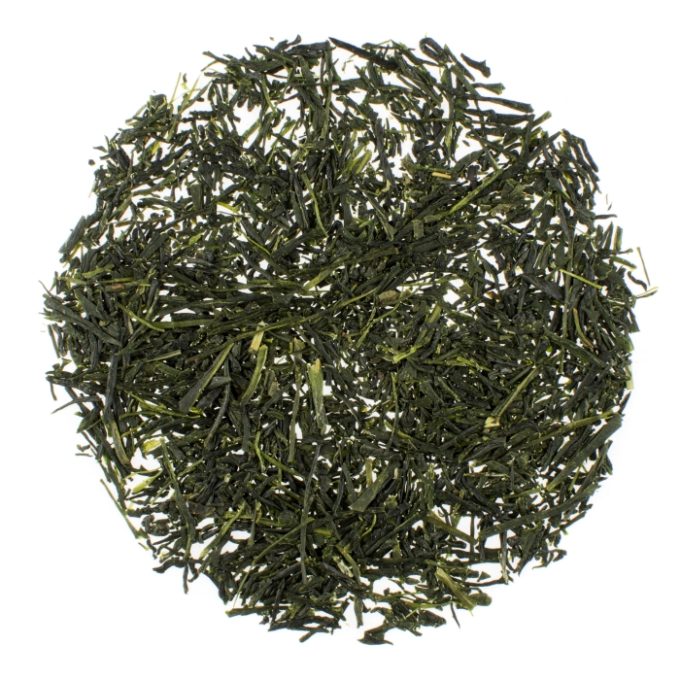
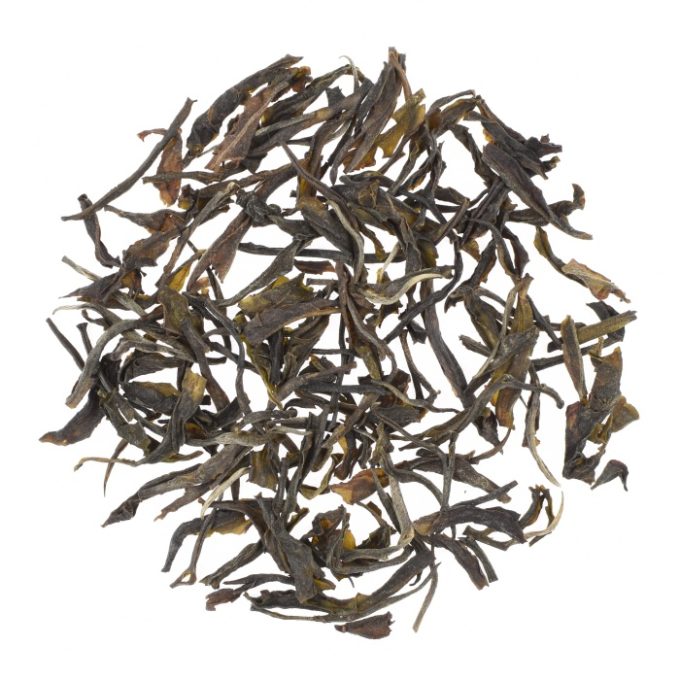
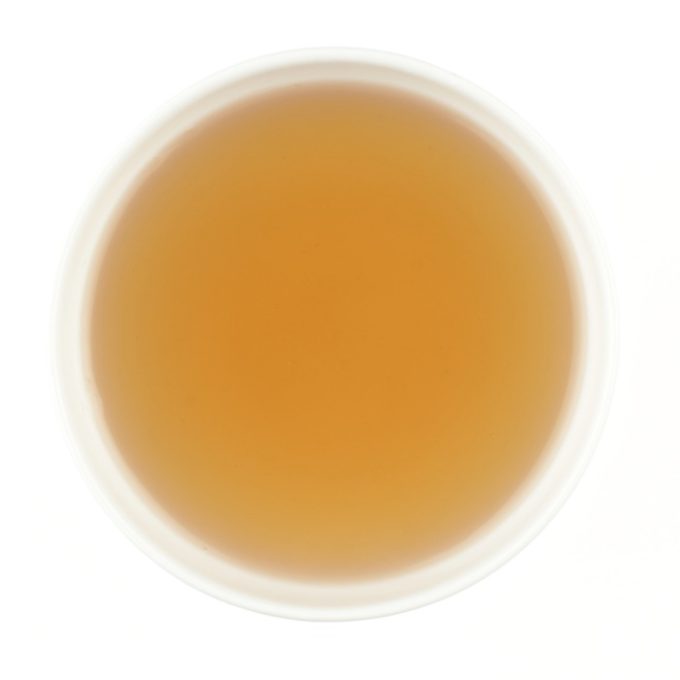
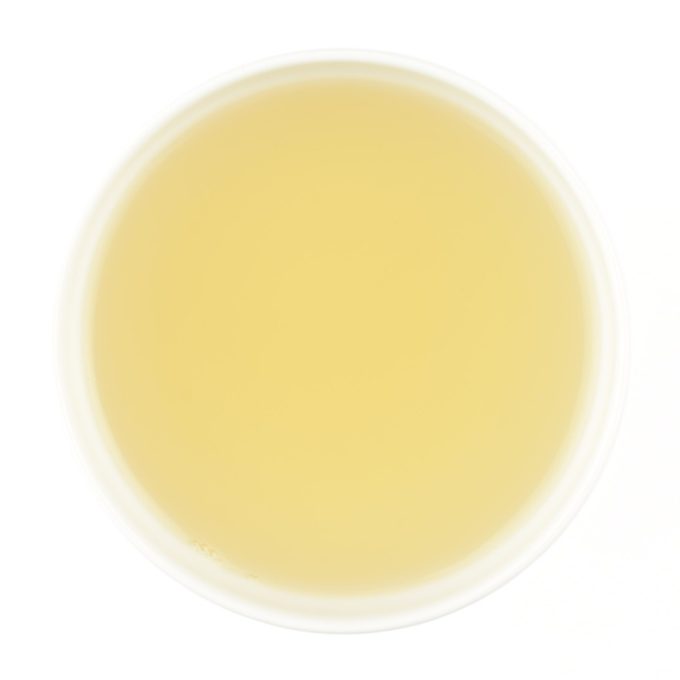
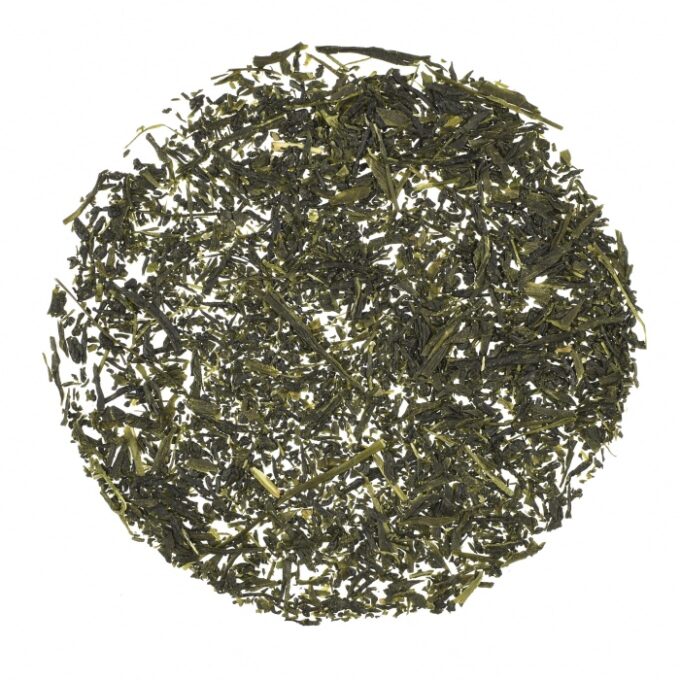
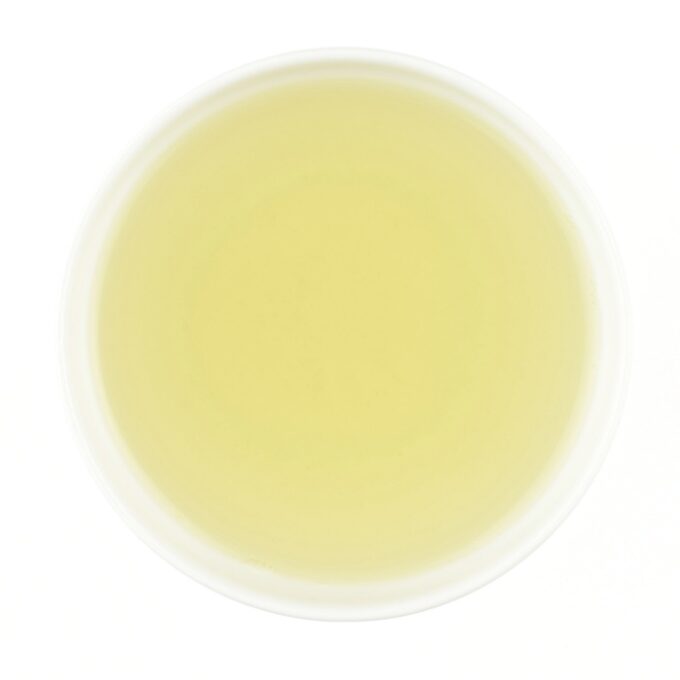
The dry tea consists of irregularly twisted leaves and leaf pieces in shades of dark olive green and brownish green. Once infused, it produces a clear, pale golden-yellow liquor. Over successive infusions, the leaves gradually unfold into larger, thicker leaf pieces in olive-green and brownish-green tones.
Its flavour combines fresh vegetal notes, gentle astringency and delicate sweetness, followed by a pleasantly lingering sweet aftertaste. It is a full-bodied, distinctive green tea that gradually reveals different layers over several short infusions.
History
Hà Giang is one of Vietnam’s northernmost mountainous provinces, bordering China. Tea has long been part of the landscape and the lives of local communities in its higher-altitude areas. The region is particularly known for its large, old tea trees, whose leaves are still hand-picked and processed using local methods.
The tea culture of Hà Giang is closely connected with the ethnic communities living in the mountains, including the Hmong and Dao peoples. The cultivation of tea trees, harvesting of the leaves and their processing remain an important source of livelihood in many communities and form part of the region’s cultural heritage.
Among Hà Giang’s best-known tea traditions are those associated with its old tea trees. Hà Giang Shan Tuyết tea has geographical indication protection in Vietnam. The name is associated with the region’s characteristic large-leaf tea trees with downy young buds and the teas produced from them.
However, we do not automatically identify this particular Hà Giang Chè Xanh as Shan Tuyết tea. For this tea, we rely on documented information regarding its Hà Giang origin, high-altitude growing environment and old tea trees.
Preparation
Use 5–6 g of tea per 100–150 ml of water, preferably in a gaiwan or a small porcelain teapot. Allow the water to cool to 75–80 °C, then steep the first infusion for 10–15 seconds.
For subsequent infusions, gradually increase the steeping time. If necessary, you can also slightly increase the water temperature for later infusions. Give the larger leaves enough room to unfold freely during steeping.
Related products
-

Tai Ping Hou Kui green tea
2.940 Ft – 7.840 Ft -
Suzhou Bi Luo Chun green tea
3.000 Ft – 10.950 Ft -
Culinary Matcha green tea powder
5.100 Ft -
HuangShan Maofeng green tea
3.450 Ft – 12.150 Ft -
Xinyang Mao Jian Green tea
2.700 Ft – 10.100 Ft -
Nokcha green tea
4.920 Ft – 16.070 Ft -
Korean Jeju Organic green tea
2.100 Ft – 8.550 Ft -
Shizuoka Sencha green tea
3.300 Ft – 11.750 Ft -
Khar Chauk burmese wild green tea
2.040 Ft – 8.390 Ft -
Liuan Guapian Green tea
2.850 Ft – 10.500 Ft -
Miyazaki Sencha Green tea
3.300 Ft – 11.790 Ft

 No products in the cart.