

Khar Chauk burmese wild green tea
A distinctive Burmese green tea from the mountains of Shan State, made from the leaves of semi-wild tea plants, with a full-bodied character and characteristic earthy, gently smoky aromas.
Place of origin: Burma
2.040 Ft – 8.390 Ft

Teaware:
Gaiwan or small 100–150 ml teapot

Amount of tea:
4–5 g / 100–150 ml

Water temperature:
80–85 °C

Steeping time:
2–3 minutes
Description
Khar Chauk is a Burmese wild green tea from the mountainous region of Shan State in eastern Myanmar, close to the border with China’s Yunnan Province. According to Dobrá Tea, the leaves are harvested from semi-wild tea plants growing to a height of 3–5 metres, representing a distinctive part of the region’s traditional tea culture.
The tea’s local, relatively simple processing differs considerably from the precisely shaped styles of classic Chinese and Japanese green teas. According to Dobrá Tea, wood fire is also used during the drying of the leaves, contributing to the tea’s characteristic earthy and gently smoky aroma.
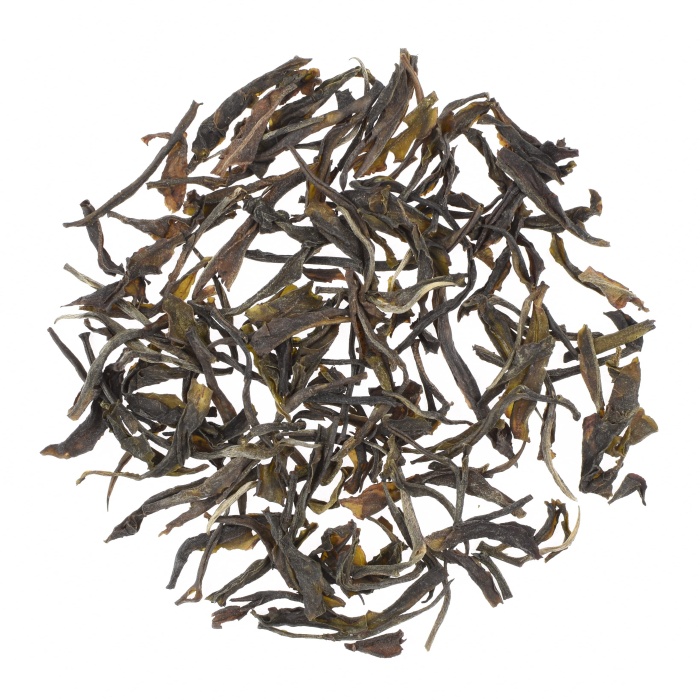
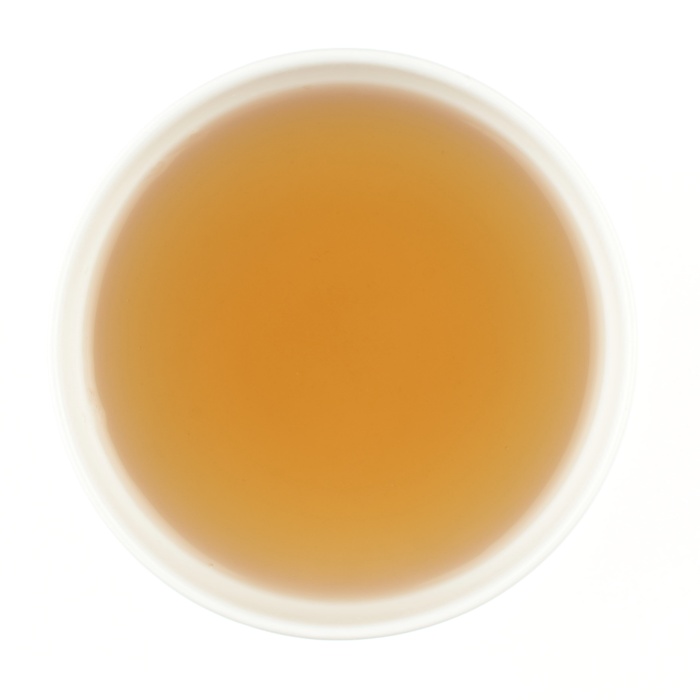
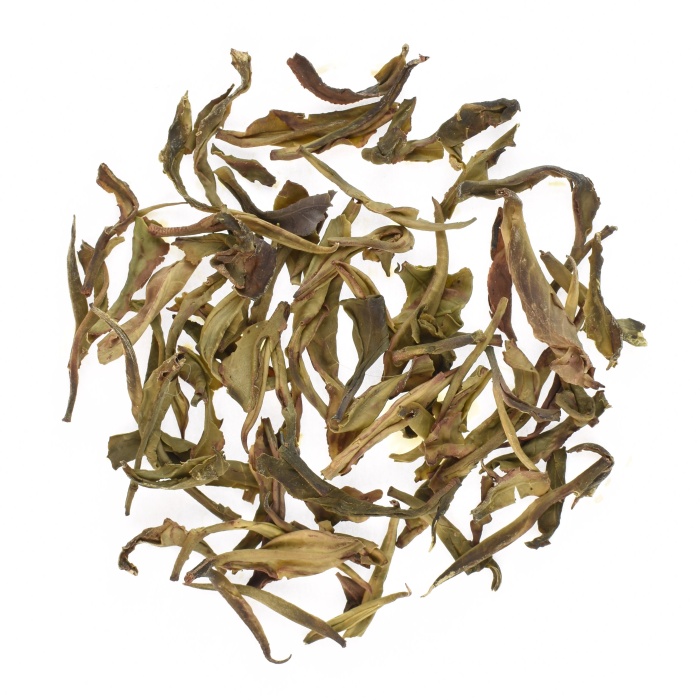
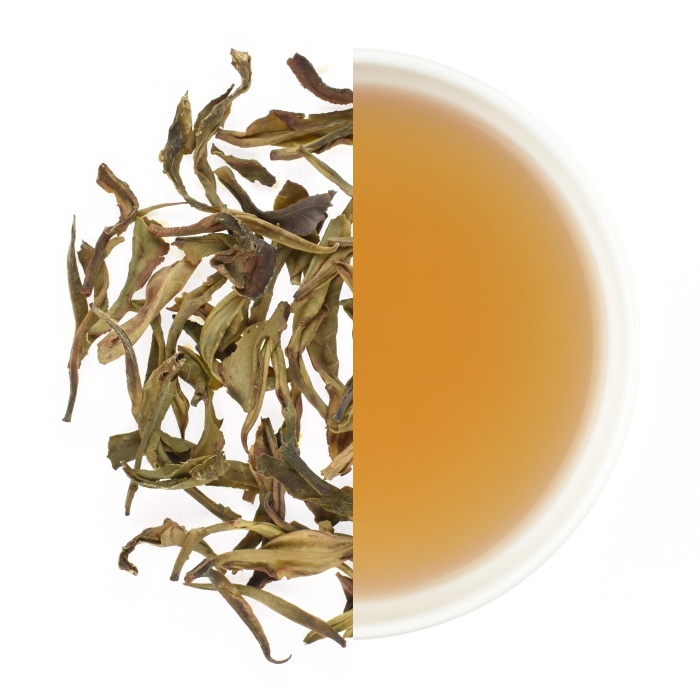
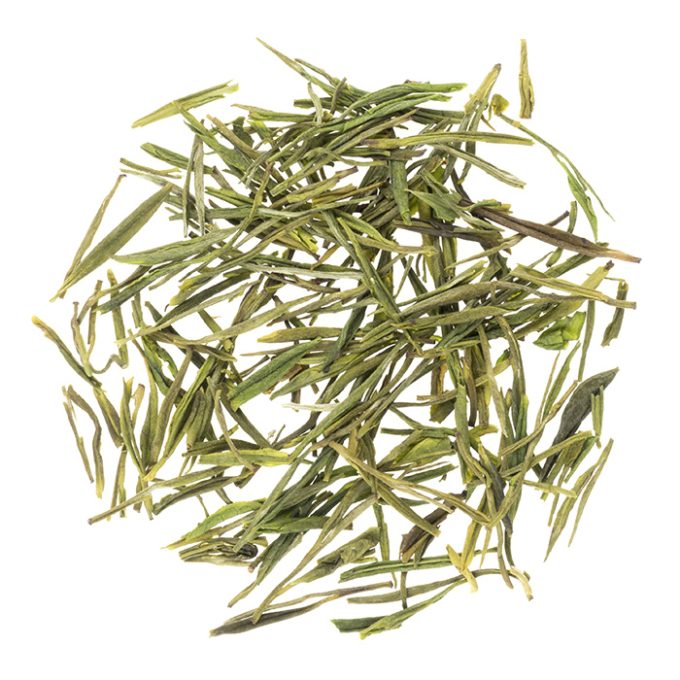
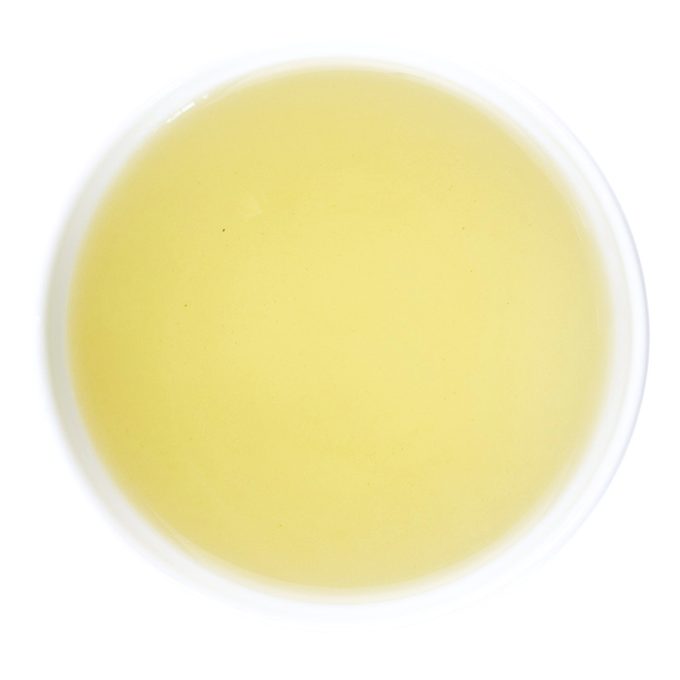
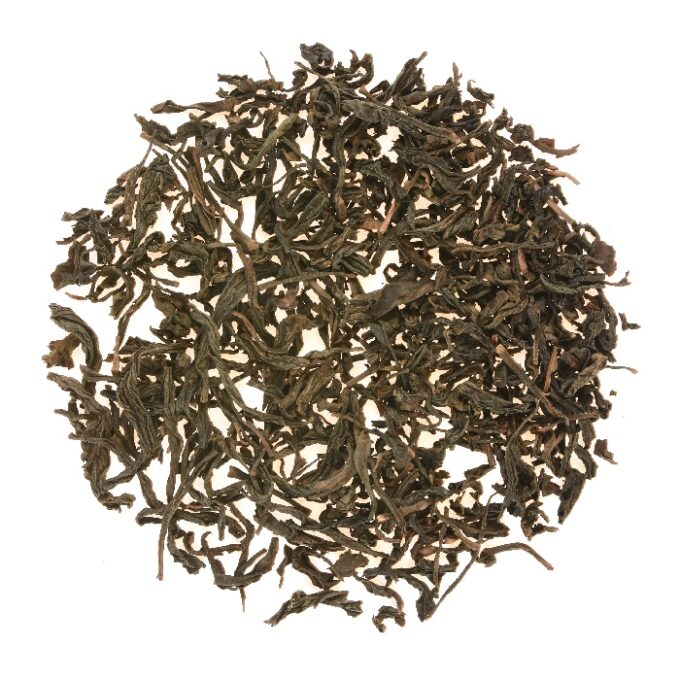
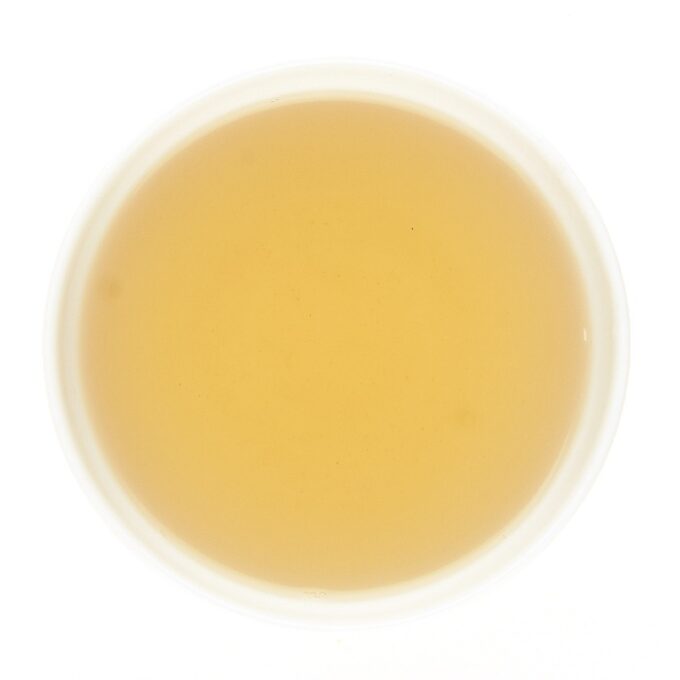
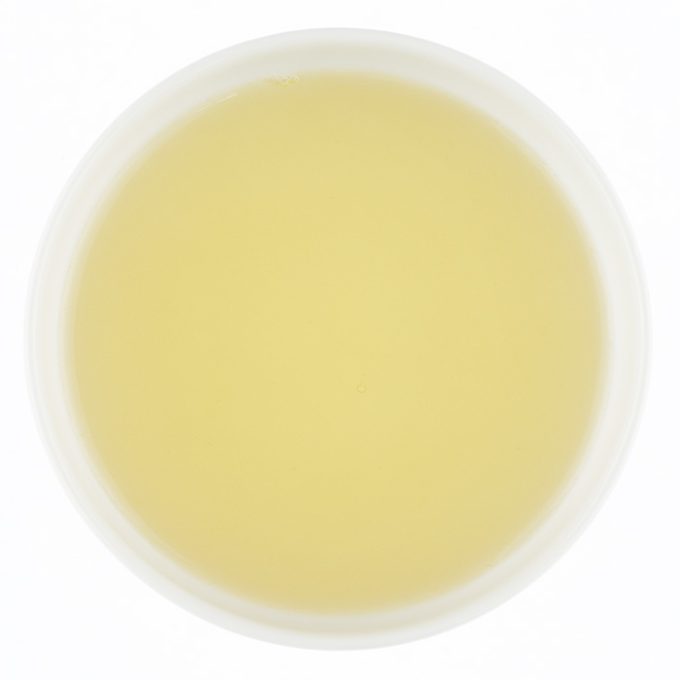
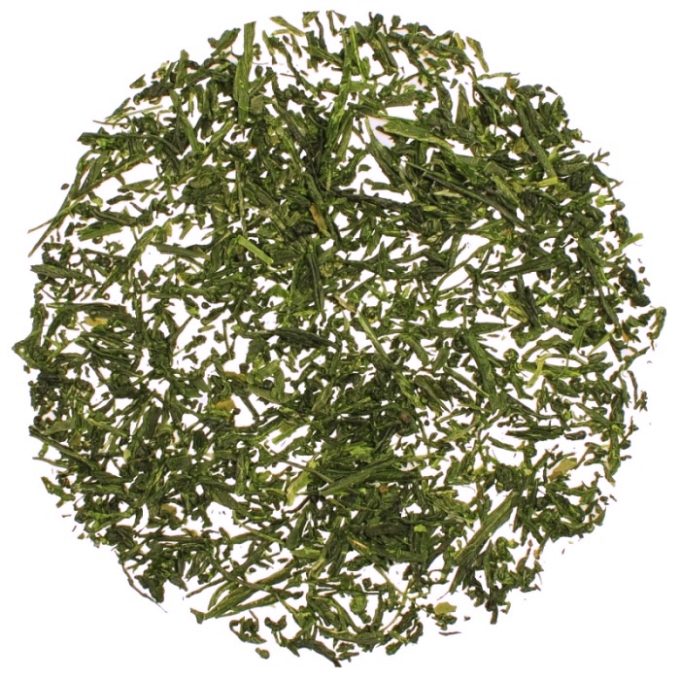
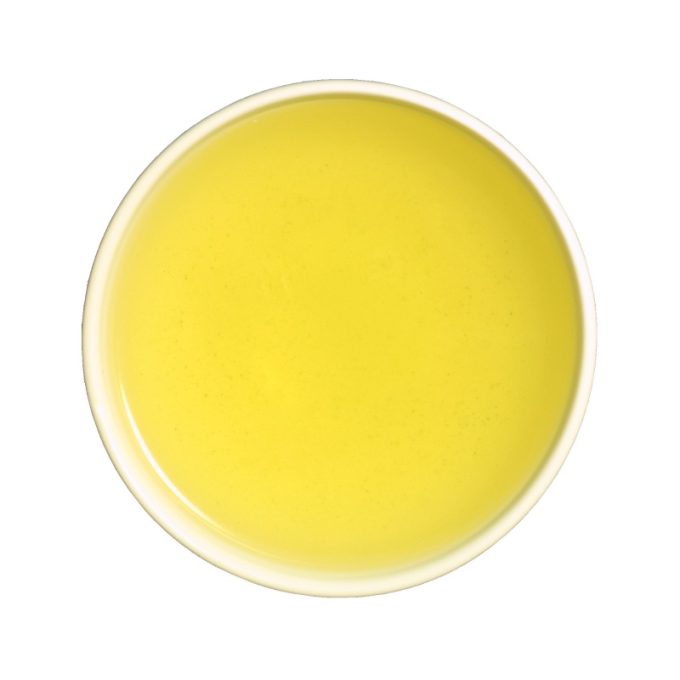
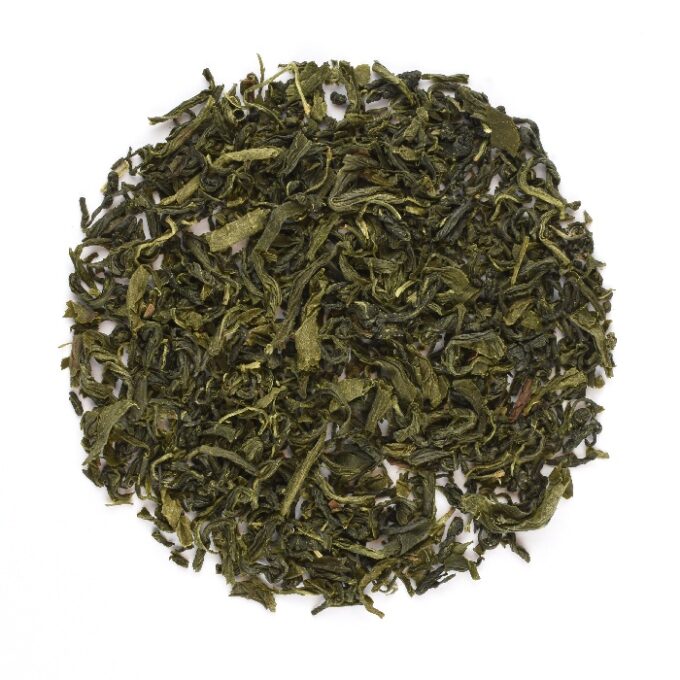
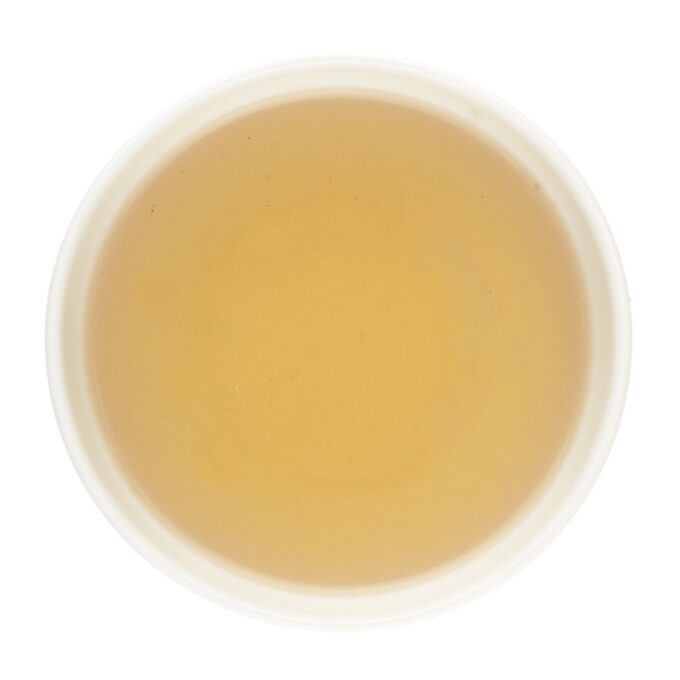
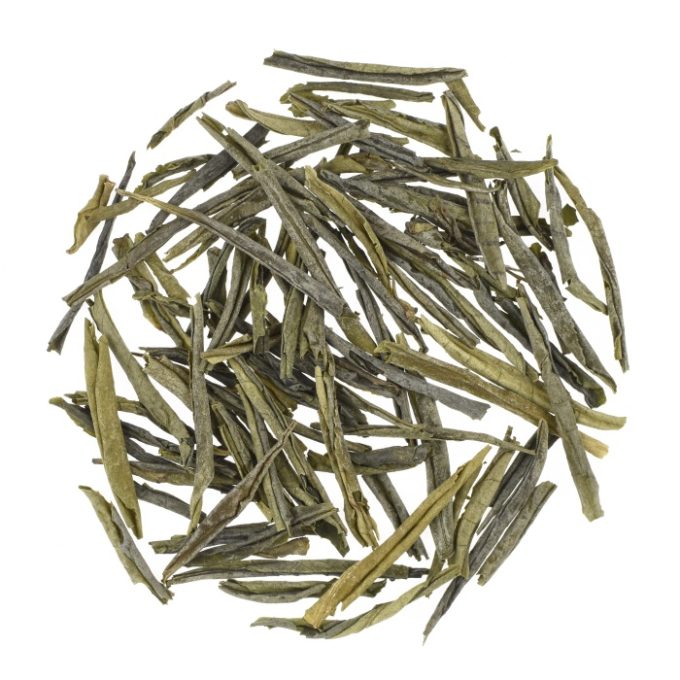
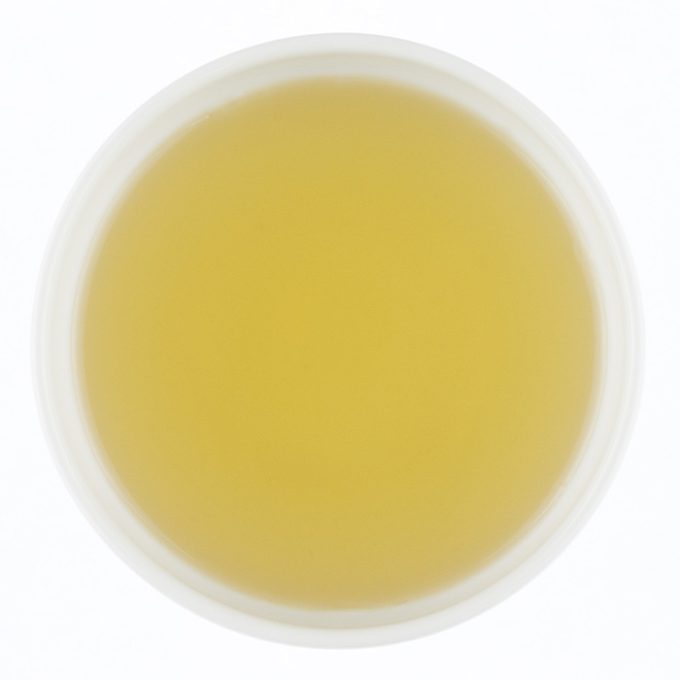
The dry tea consists of elongated, loosely twisted leaves and leaf pieces of varying sizes. Its colours range from olive green and brownish green to darker brown. Once infused, it produces a clear, deep golden-amber liquor. Over successive infusions, the leaves gradually unfold into larger, irregular leaf pieces in shades of olive green, brownish green and reddish brown.
Its character differs from that of lighter, more vibrant Chinese green teas. The flavour combines full vegetal, earthy and gently smoky notes with delicate sweetness and a long, distinctive finish. A rustic and individual green tea for those wishing to explore the lesser-known tea cultures of Southeast Asia.
History
Shan State is one of the most important centres of tea culture in Myanmar. The mountainous landscape and climate are well suited to tea cultivation, and traditional small-scale methods of processing tea leaves are still practised in many communities.
Tea occupies a distinctive place in Burmese culture. The leaves are used not only to produce green and black teas for drinking, but also to make fermented tea leaves known as lahpet, one of Myanmar’s best-known traditional foods. The tea plant is therefore not simply the source of a drink, but also an integral part of the local food culture.
The mountainous border region between Shan State and Yunnan has a particularly interesting tea tradition. The green tea sold by Dobrá Tea under the name Khar Chauk comes from this environment. According to the supplier, its leaves are harvested from semi-wild tea plants growing to a height of 3–5 metres and are then processed using local methods.
This less standardised, traditional style of processing gives the tea its rustic appearance and distinctive character, setting it apart from the better-known green teas of China and Japan.
Preparation
Use 4–5 g of tea per 100–150 ml of water, preferably in a gaiwan or a small clay or porcelain teapot. Allow the water to cool to 80–85 °C, then steep the first infusion for 2–3 minutes.
For subsequent infusions, gradually increase the steeping time and, if necessary, slightly increase the water temperature. The larger, rustic leaves need enough room to unfold freely during steeping.
Related products
-

Anji Bai Cha green tea
3.600 Ft – 12.550 Ft -
Jasmine Dragon Pearl green tea
2.880 Ft – 10.670 Ft -
Hà Giang Chè Xanh green tea
1.560 Ft – 7.150 Ft -
Miyazaki Sencha Green tea
3.300 Ft – 11.790 Ft -
Yunnan Silver Buds green tea
2.400 Ft – 9.350 Ft -
HuangShan Maofeng green tea
3.450 Ft – 12.150 Ft -
Gyokuro Kyoto green tea
5.340 Ft – 17.190 Ft -
Korean Jeju Organic green tea
2.100 Ft – 8.550 Ft -
Culinary Matcha green tea powder
5.100 Ft -
Liuan Guapian Green tea
2.850 Ft – 10.500 Ft -
Suzhou Bi Luo Chun green tea
3.000 Ft – 10.950 Ft


 No products in the cart.