

Oriental Beauty Bai Hao
oolong tea
The Oriental Beauty Bai Hao is an Oolong tea that originates from Bei Pu, Xin Zhu (Hsinchu) province situated in Northern Taiwan. This region is renowned for its exceptionally hazy and humid weather. These natural environment factors contribute majorly to the unique properties Bai Hao tea possess.
Place of origin: TAIWAN
Price range: 4.500 Ft through 12.000 Ft

Teaware:
Gaiwan or small porcelain teapot

Amount of Tea:
4–5 g / 150 ml

Water Temperature:
80-85 °C

Steeping time:
1–1.5 minutes
Description
Oriental Beauty, also known as Bai Hao Oolong, is one of Taiwan’s most distinctive teas, originating from the Beipu area of Hsinchu County. More heavily oxidised than many other oolongs, it owes its rich, honeyed and fruity aromatic profile to an unusual natural process.
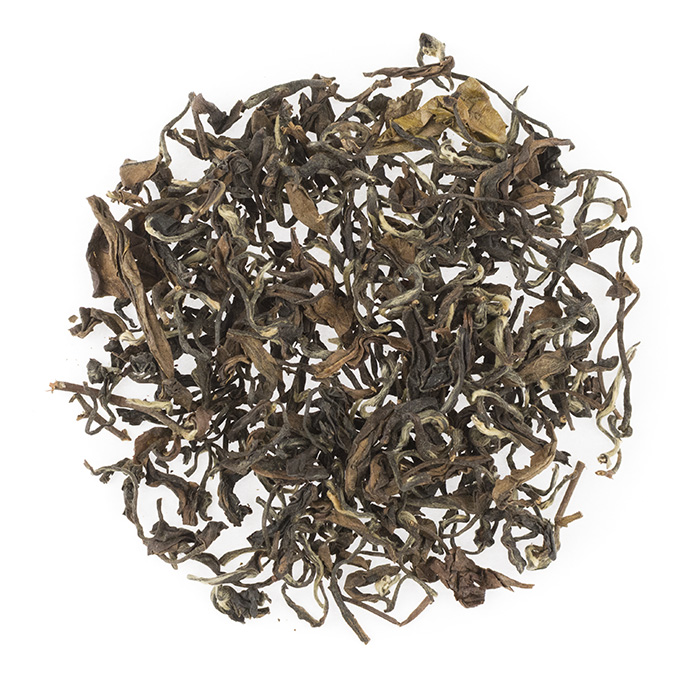
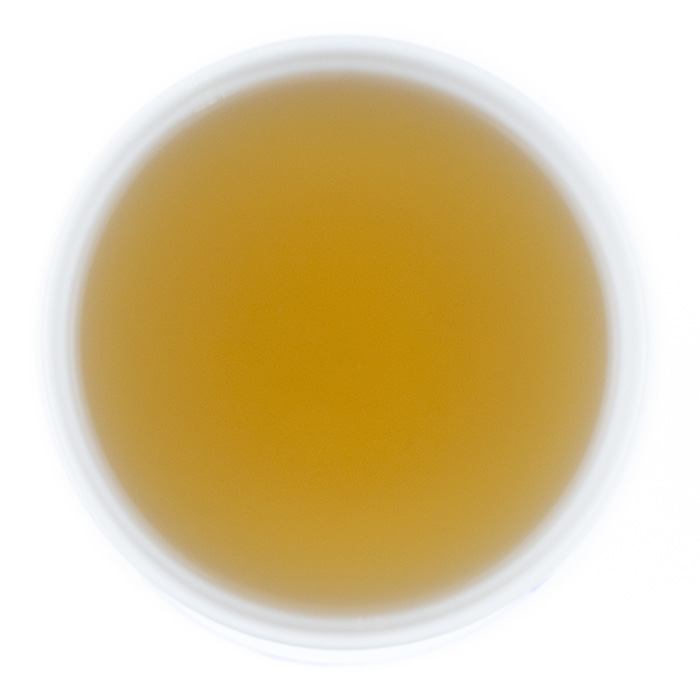
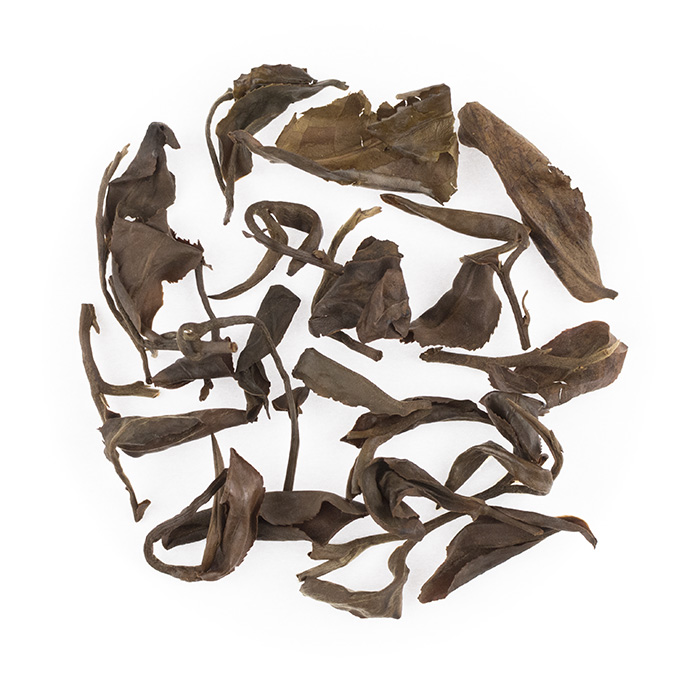
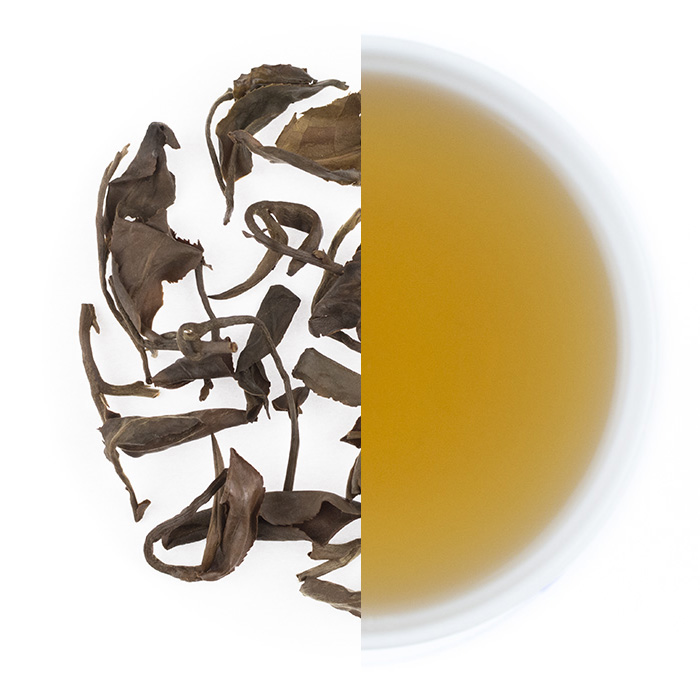
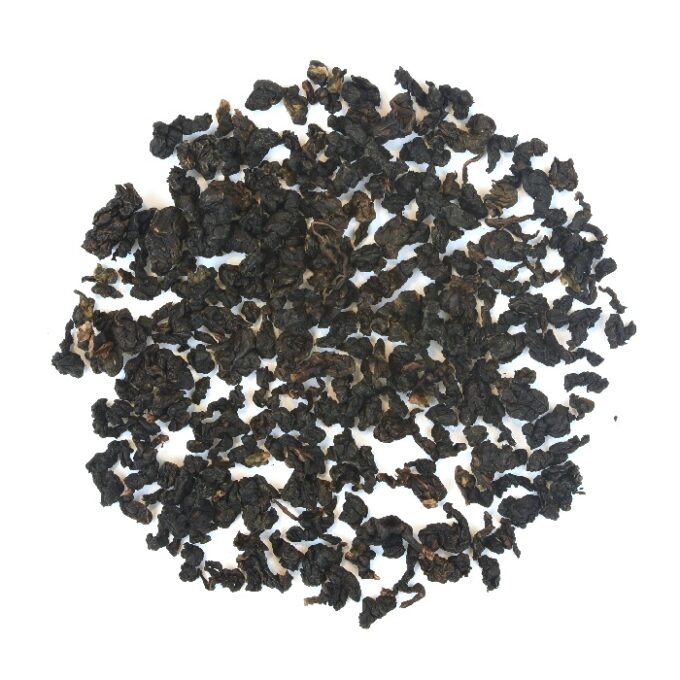
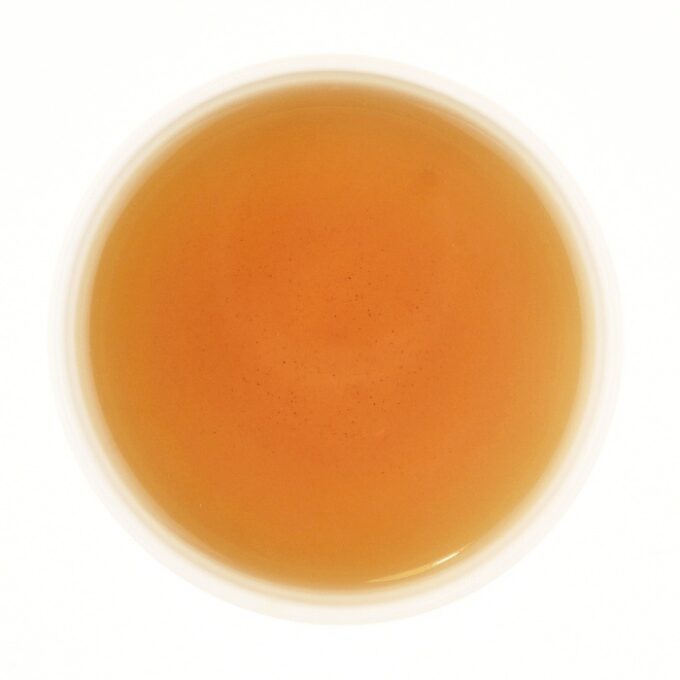
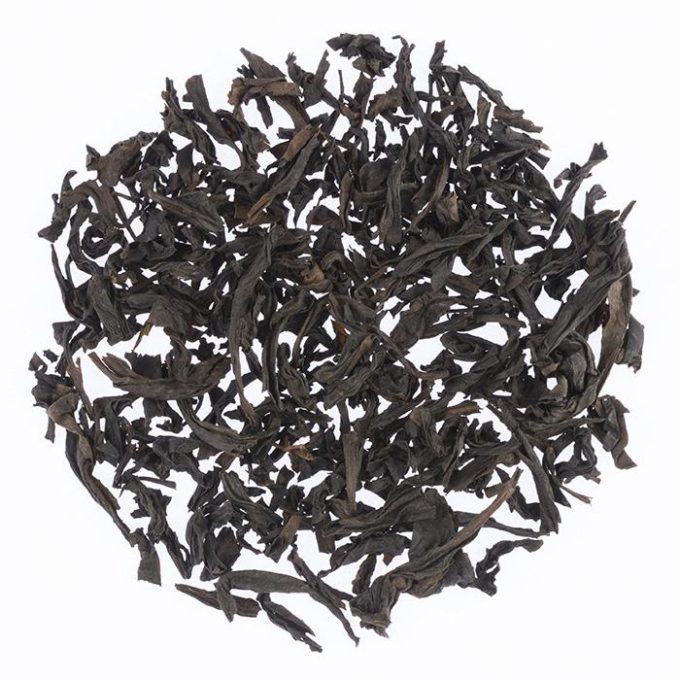
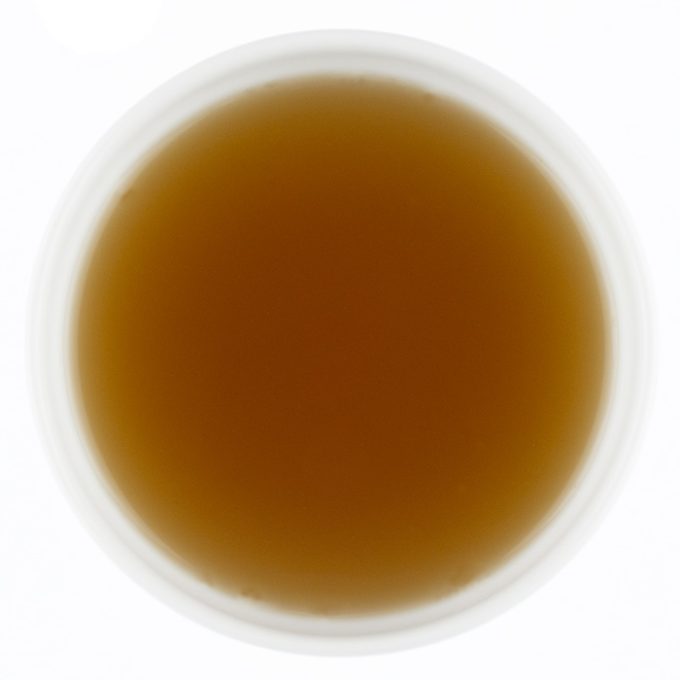
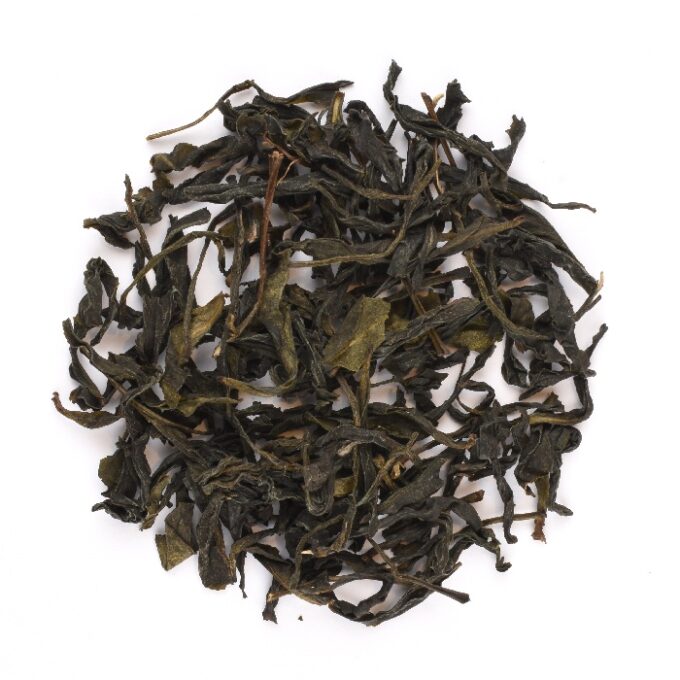
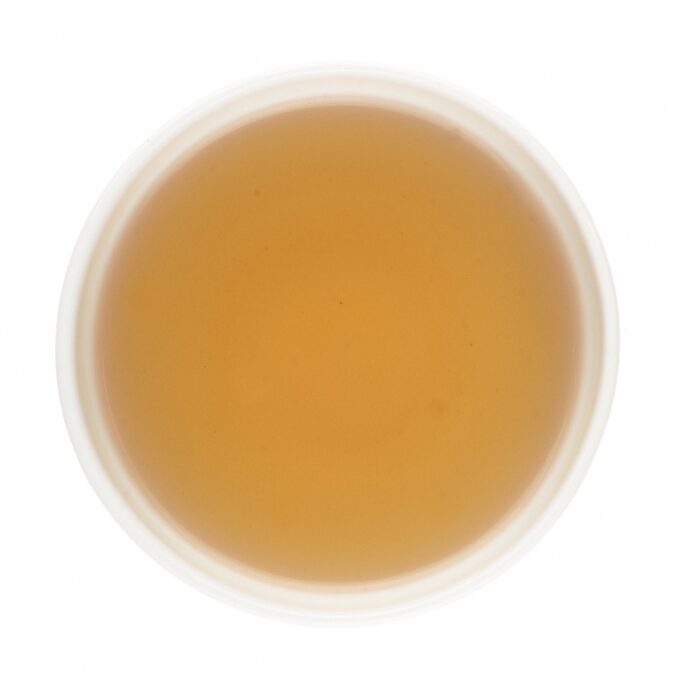
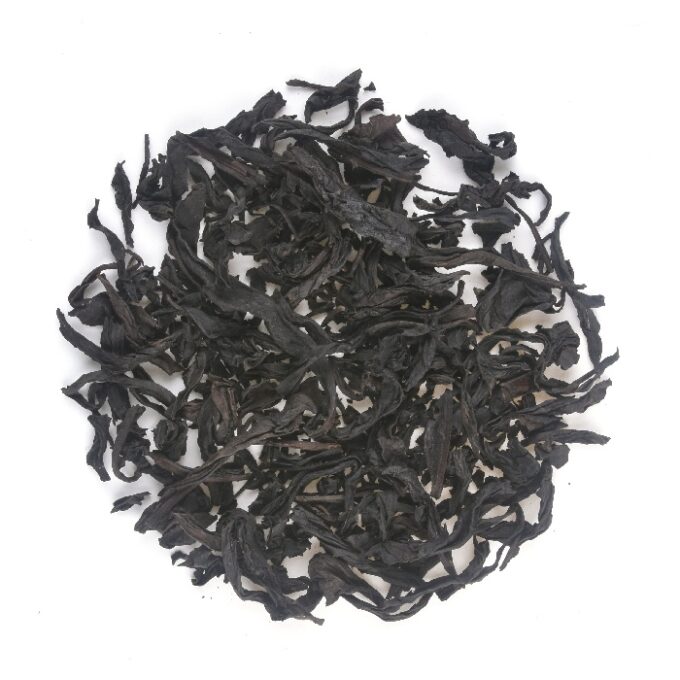
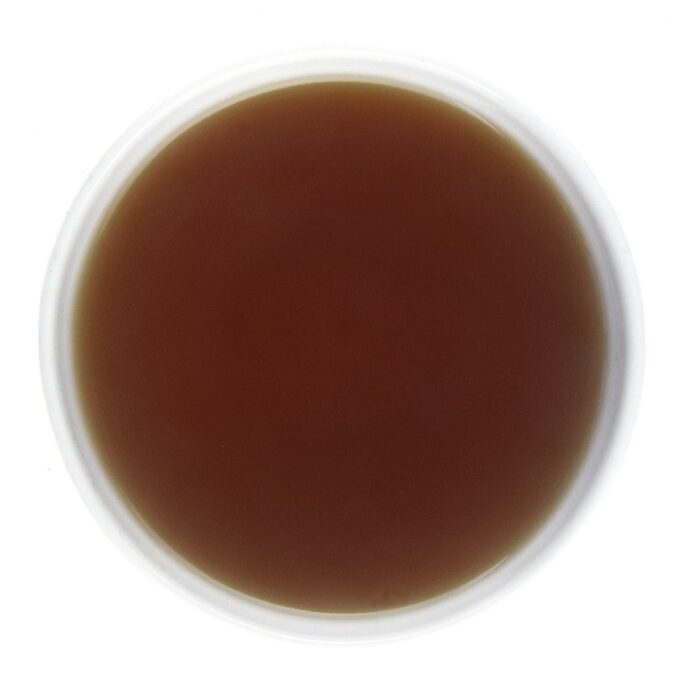
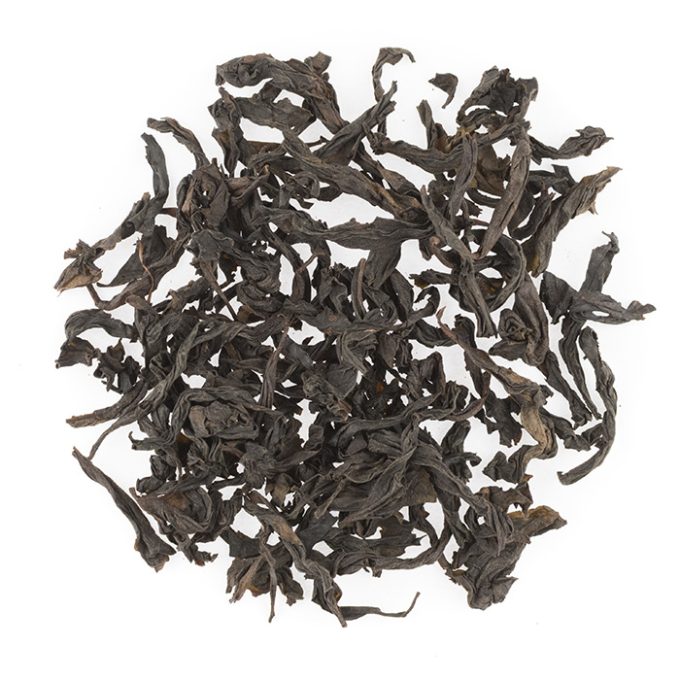
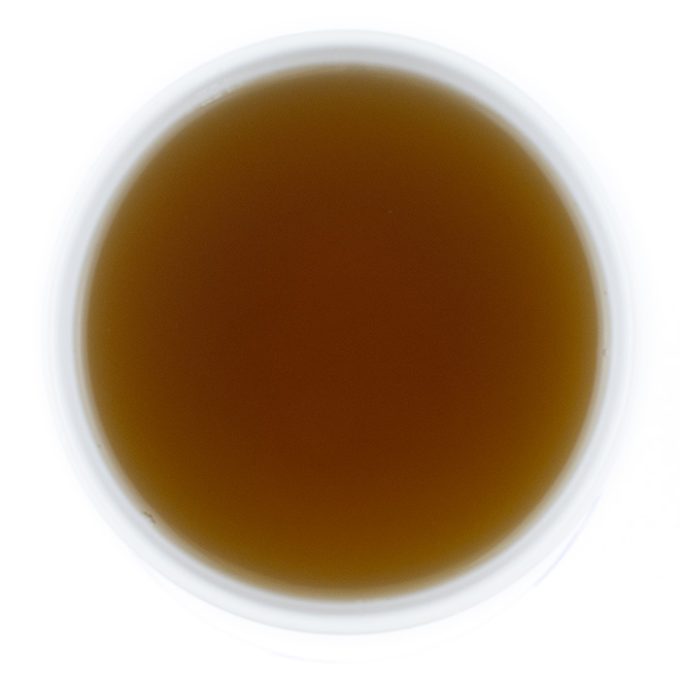
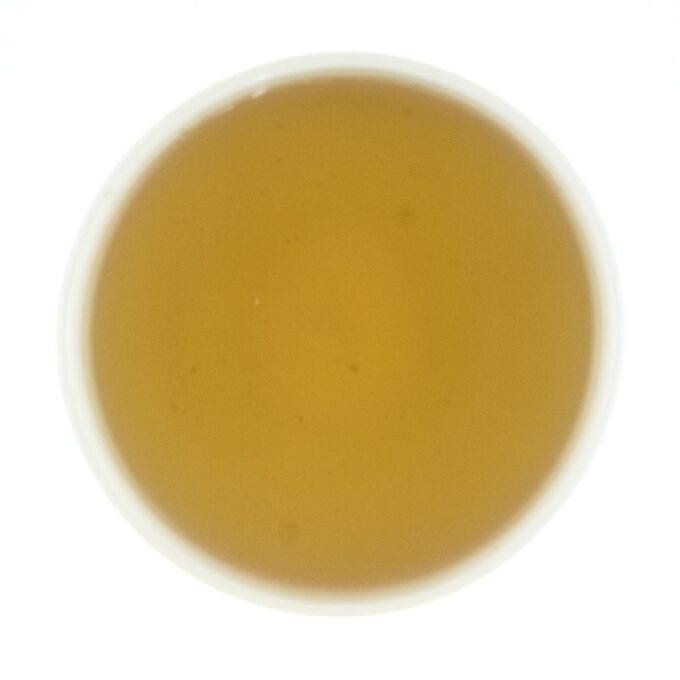
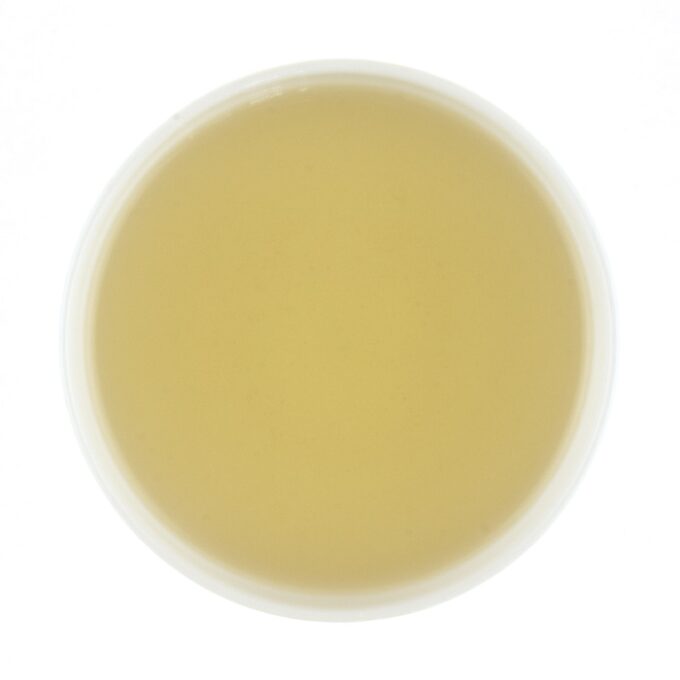
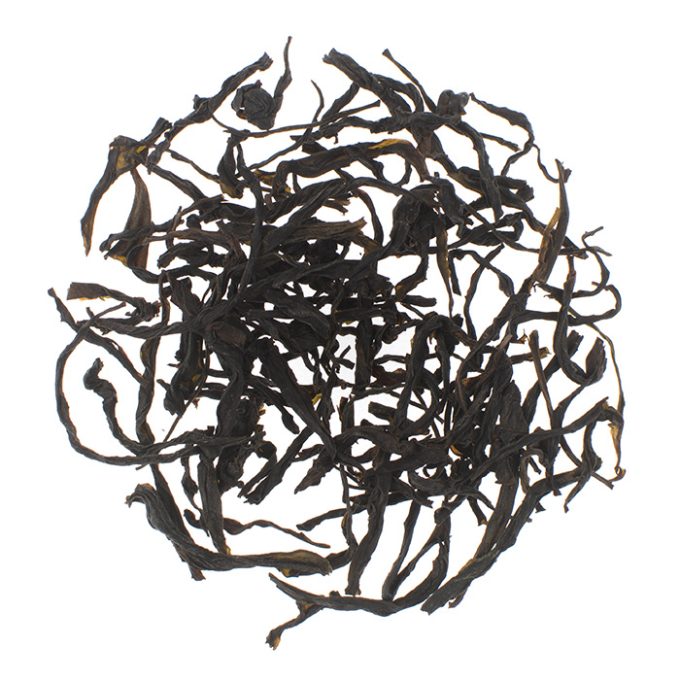
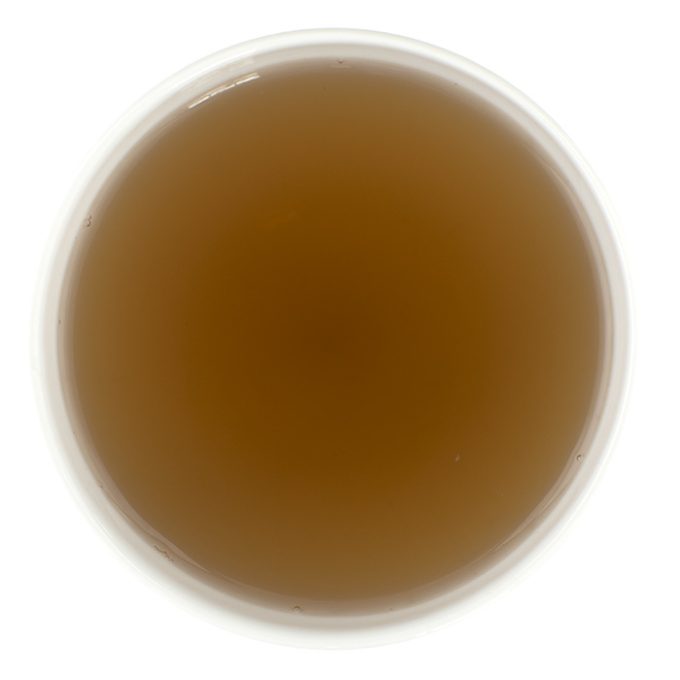
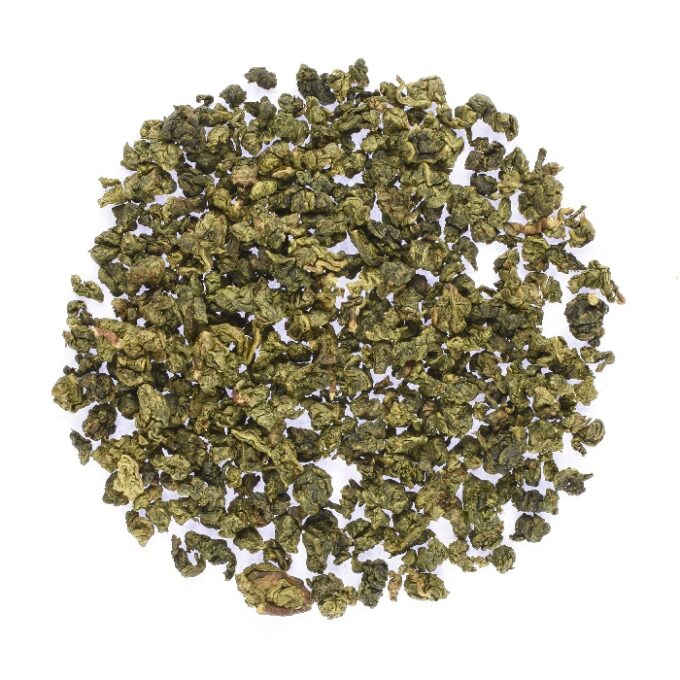
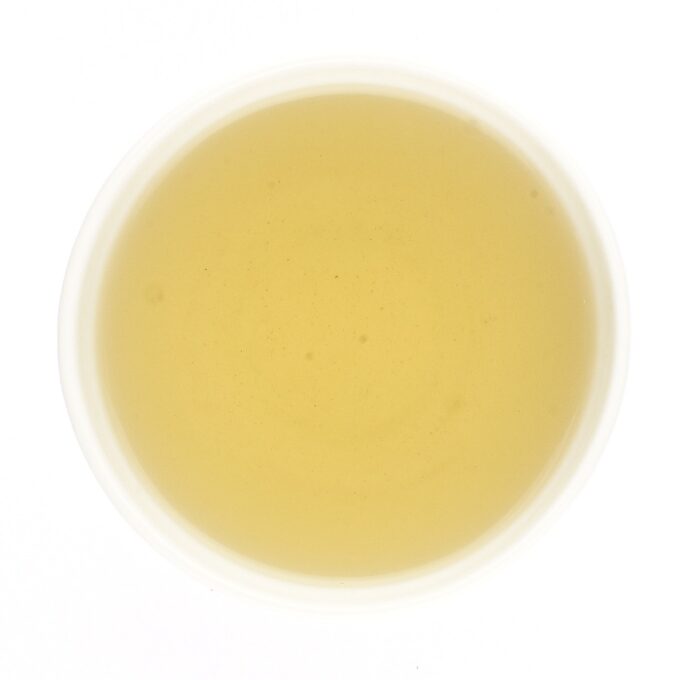
The dry tea consists of long, loosely twisted leaves in shades ranging from dark brown and reddish brown to lighter golden brown. Among the leaves, delicate buds covered in fine, silvery hairs can also be seen. These give rise to the name Bai Hao, meaning “white down”. Once infused, the tea produces a clear, warm golden-amber liquor.
Its flavour is dominated by natural honeyed sweetness and fruity notes reminiscent of ripe peach. Its smooth, rounded character is complemented by a gentle sweetness and a pleasantly lingering finish. Its rich aromas continue to unfold over successive infusions.
History
The story of Oriental Beauty began in the tea-growing regions of northern Taiwan, where local farmers noticed an unusual phenomenon. Tiny green tea leafhoppers were feeding on the young shoots of tea plants. Their activity altered the development and appearance of the leaves, which were initially regarded as damaged crops.
According to local tradition, one farmer nevertheless decided to process the affected leaves and take the resulting tea to market. To his surprise, its exceptionally rich, honeyed and fruity flavour proved highly popular. When he returned home and told his neighbours how much he had earned, they thought he was exaggerating. This story is associated with one of the tea’s traditional names, Peng Feng Cha, which can be loosely translated as “Bragger’s Tea”.
Today, there is also a scientific explanation for the development of these distinctive aromas. When tea leafhoppers (Jacobiasca formosana) feed on the plants, they trigger natural defence responses that alter the formation of aromatic compounds in the leaves. Through careful processing, these changes contribute to the tea’s characteristic honeyed fragrance and ripe-fruit flavours.
The presence of leafhoppers and a suitable natural environment are therefore essential to producing this distinctive style of tea. Growers must strike a careful balance between protecting their plants and allowing the insects to play their part. Oriental Beauty is thus a remarkable example of how nature and the tea maker’s expertise can work together.
Another charming legend surrounds the name “Oriental Beauty”. According to the story, this exceptional Taiwanese tea was presented to a British queen, who was so captivated by the varied colours of its leaves and its refined aroma that she gave it the name “Oriental Beauty”. Although there is no clear historical evidence to confirm the tale, it remains a cherished part of the tea’s cultural heritage.
Preparation
Use 4–5 g of tea per 150 ml of water, preferably in a gaiwan or a small porcelain teapot. Pour over with water at 85–90 °C and steep for approximately 1–1.5 minutes.
The tea can be infused several times. Gradually increase the steeping time for subsequent infusions, observing how its honeyed, ripe-fruit aromas evolve from one cup to the next.
Related products
-

Tie Guan Yin oolong tea
Price range: 2.340 Ft through 9.230 Ft -
Tai Dong Taiwanese Red oolong tea
Price range: 4.140 Ft through 13.990 Ft -
Da Hong Pao oolong tea
Price range: 3.150 Ft through 11.300 Ft -
Rou Gui oolong tea
Price range: 4.380 Ft through 11.680 Ft -
Shui Xian oolong tea
Price range: 2.550 Ft through 9.750 Ft -
Ban Tian Yao oolong tea
Price range: 1.980 Ft through 8.180 Ft -
Jin Xuan Milk oolong tea
Price range: 2.350 Ft through 9.140 Ft -
Luye Taiwanese Red oolong tea
Price range: 4.050 Ft through 13.790 Ft -
Shan Lin Xi oolong tea
Price range: 3.360 Ft through 11.950 Ft -
Tung Ting Dong Ding oolong tea
Price range: 4.560 Ft through 15.060 Ft -
Fenghuang Dan Cong oolong tea
Price range: 3.480 Ft through 12.270 Ft -
Huang Jin Gui oolong tea
Price range: 1.560 Ft through 7.110 Ft





 No products in the cart.