

Luye Taiwanese Red oolong tea
Developed in Taitung in 2008, Taiwanese Red Oolong is a modern tea that represents a new generation of Taiwanese oolong craftsmanship.
Place of origin: Taiwan
Price range: 4.050 Ft through 13.790 Ft

Teaware:
Gaiwan or 150–200 ml teapot

Amount of Tea:
5 g / 150 ml

Water Temperature:
90–95°C

Steeping Time:
45–60 seconds, multiple infusions
Description
Taiwanese Red Oolong combines traditional oolong tea craftsmanship with the higher level of oxidation typically associated with black teas. This distinctive processing method creates a rich, intense flavour while preserving the complexity characteristic of oolong teas.
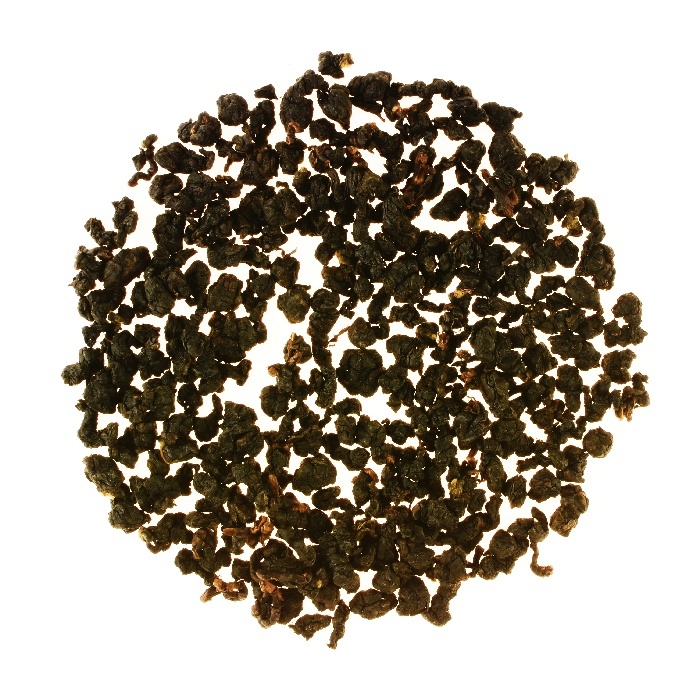
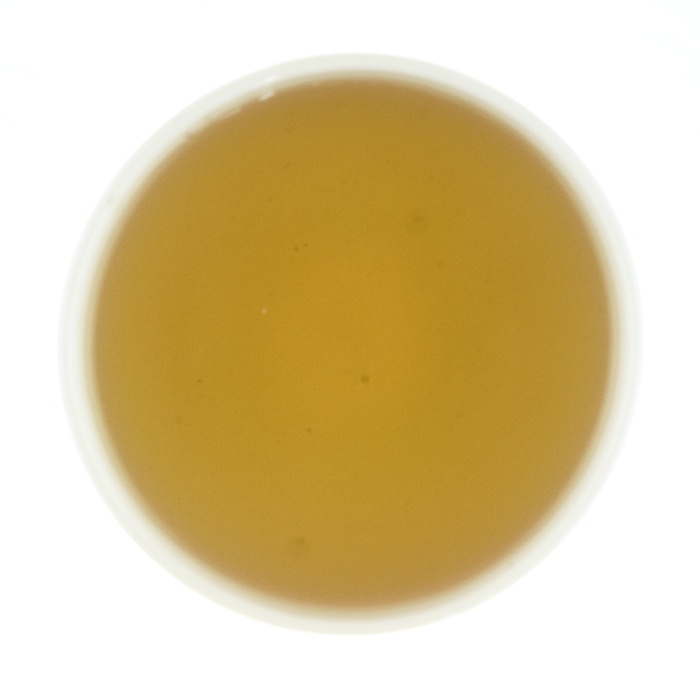
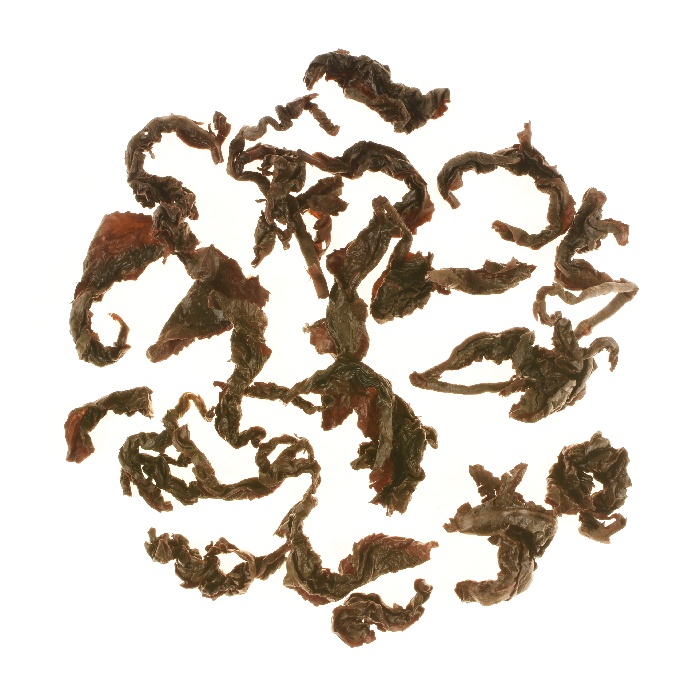
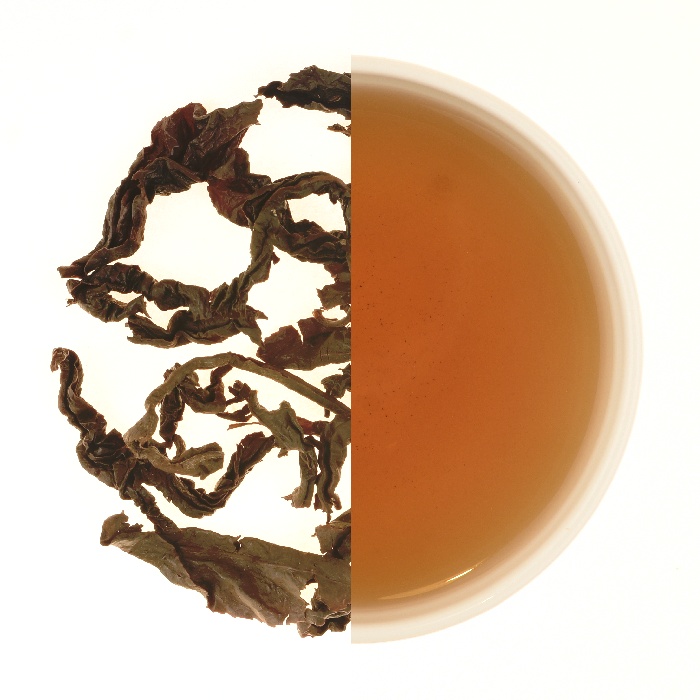
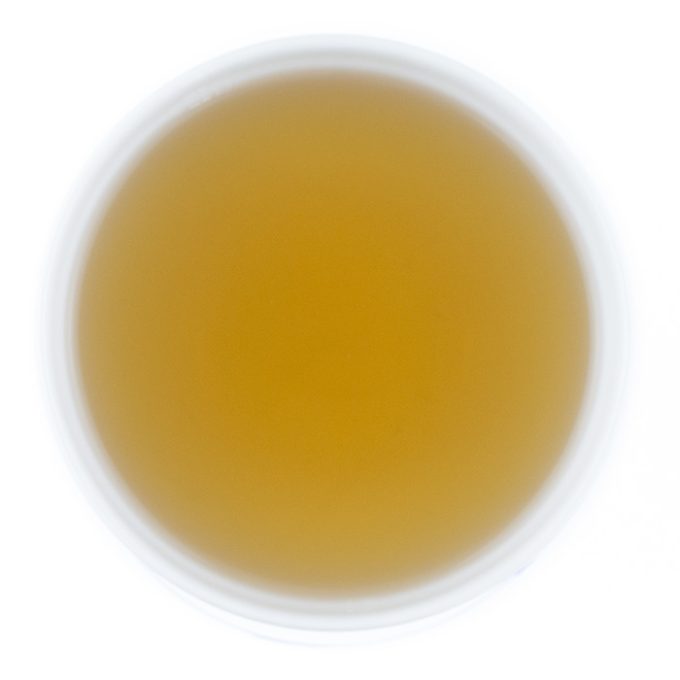
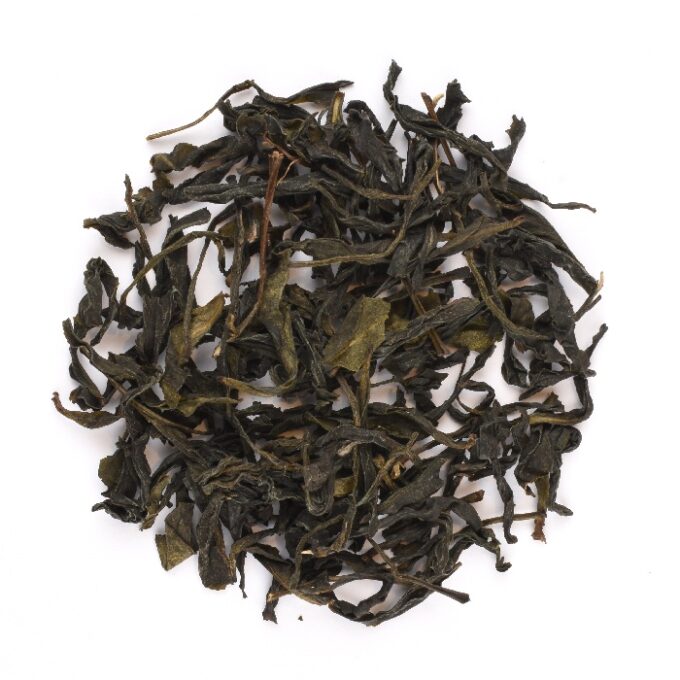
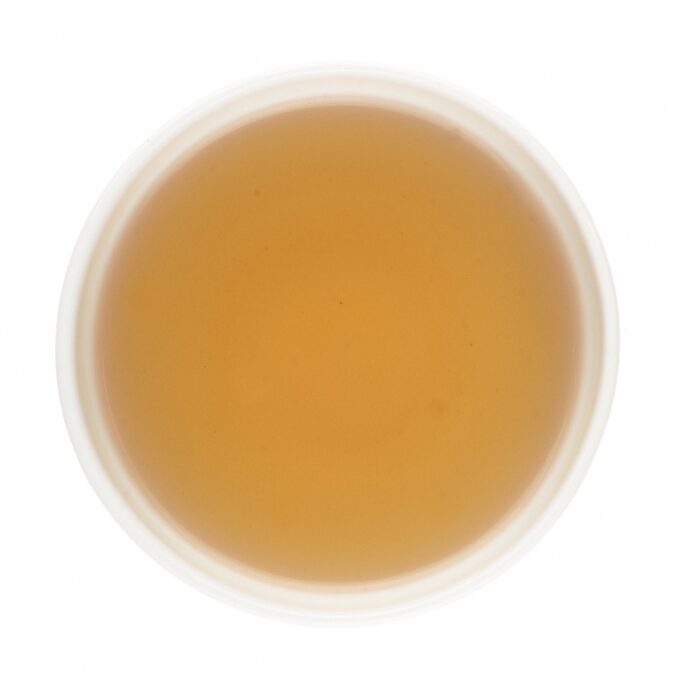
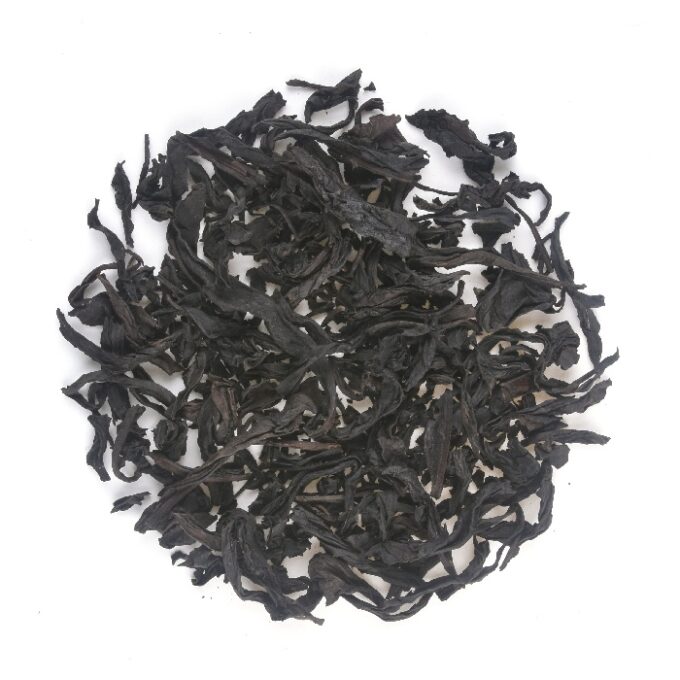
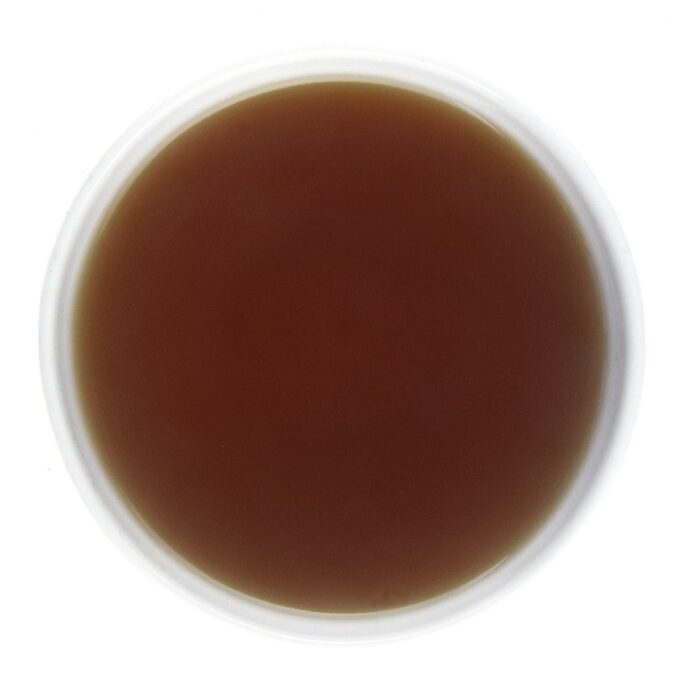
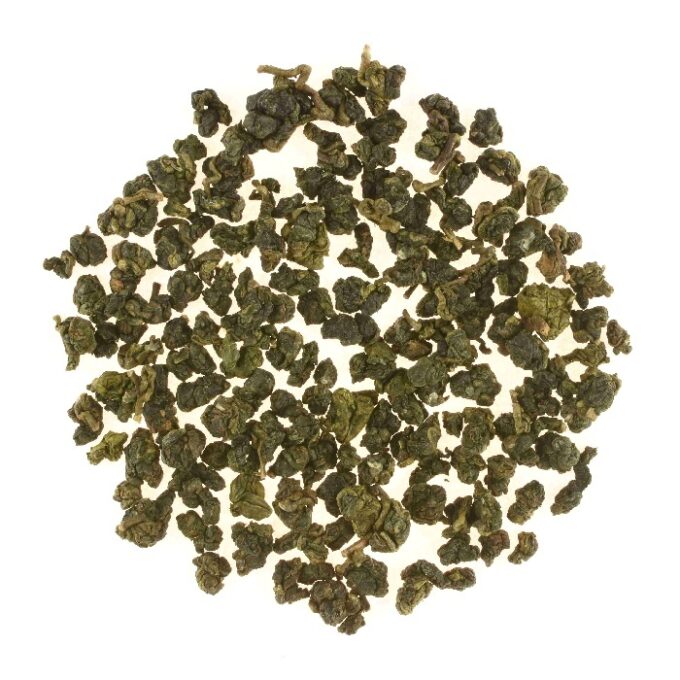
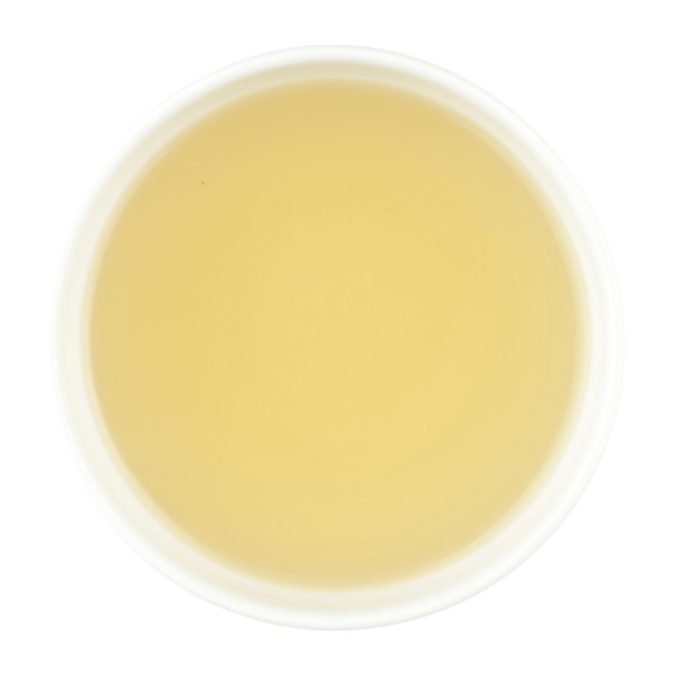
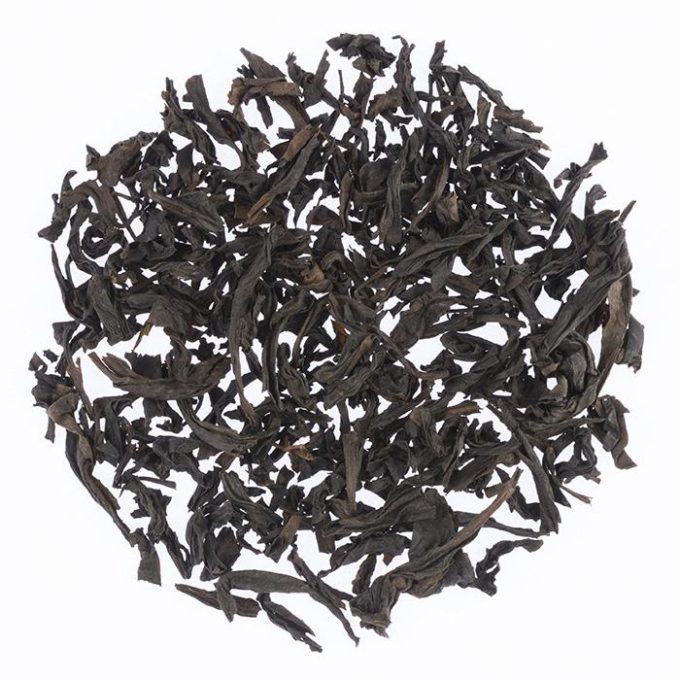
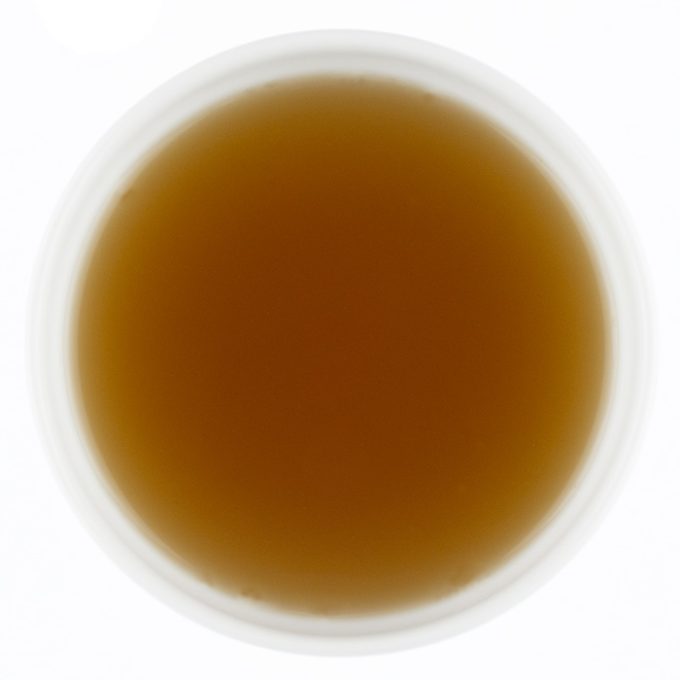
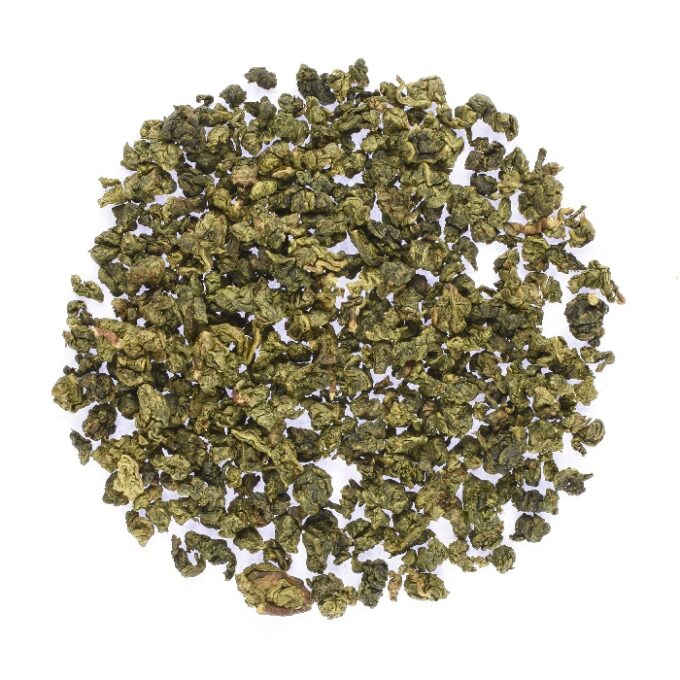
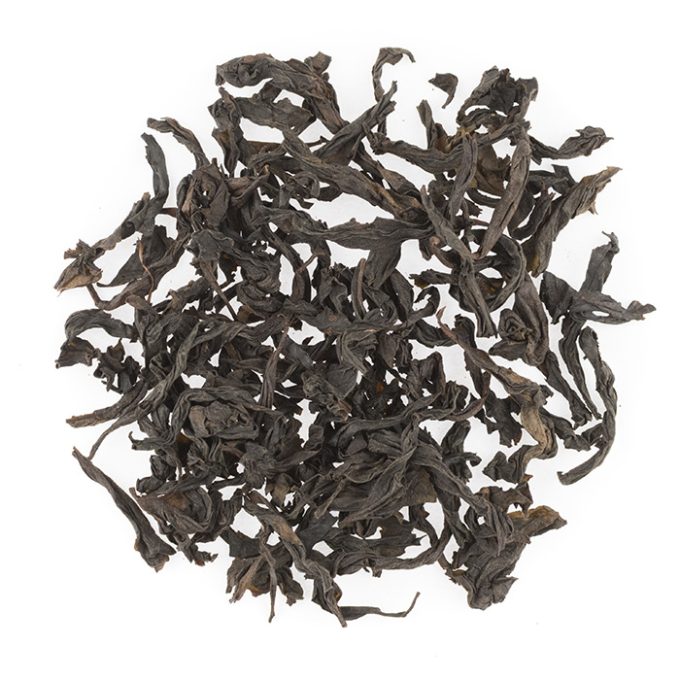
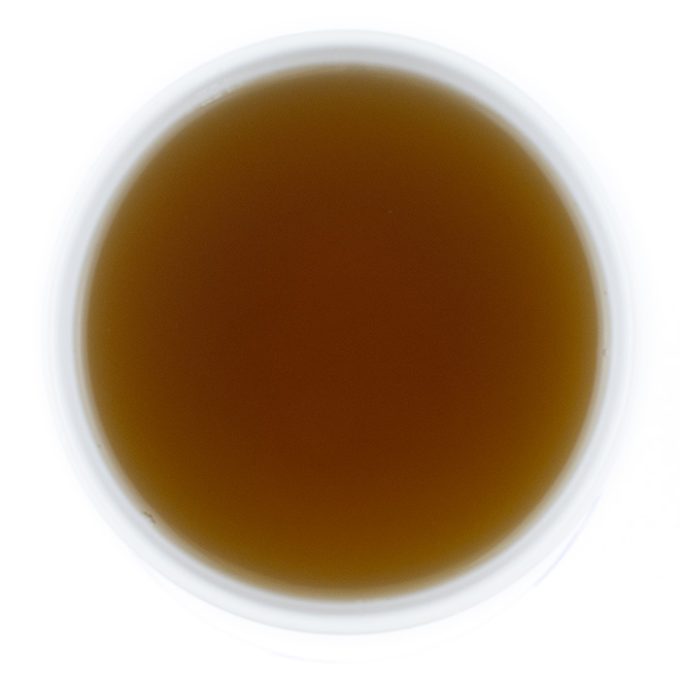
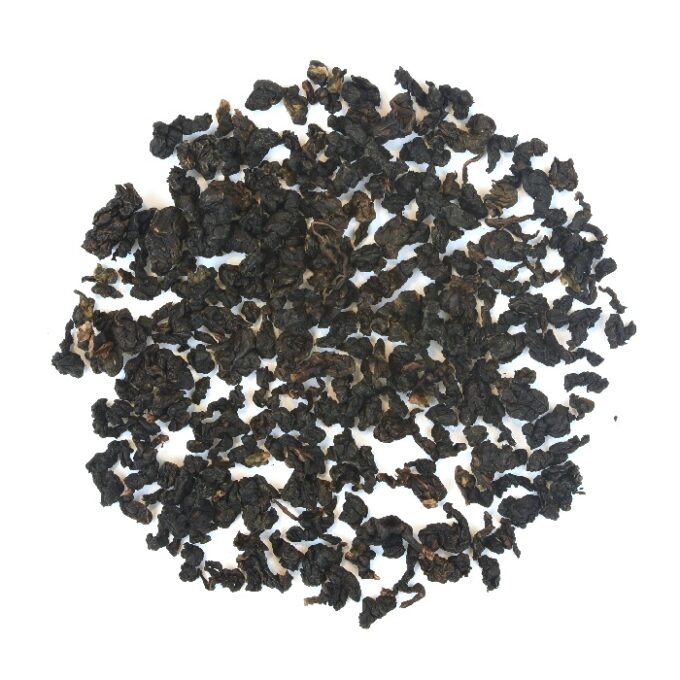
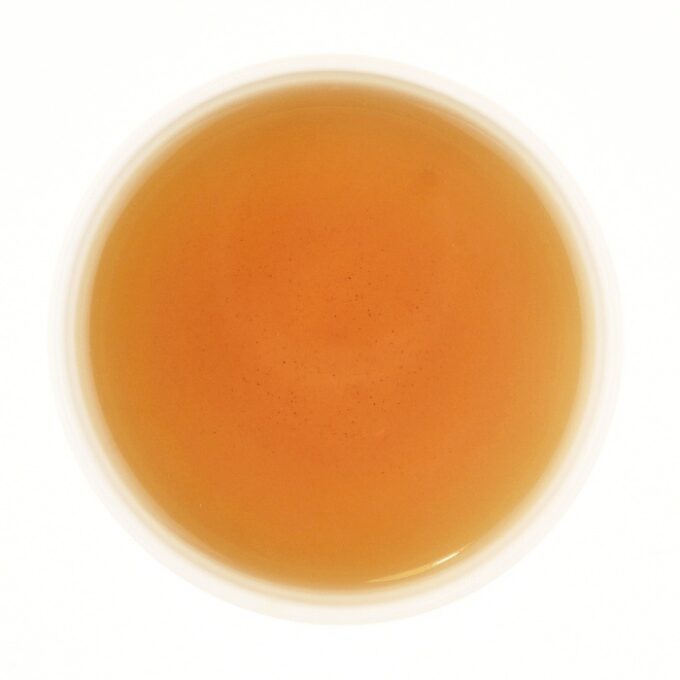
Its small, tightly rolled leaves are dark brown and gradually unfurl during brewing. The infusion is clear, with a warm orange-amber colour.
Its softer, harmonious flavour brings together aromas reminiscent of ripe fruit, honeyed notes and caramel undertones. Its balanced, multi-layered character may reveal new nuances over successive infusions.
Red Oolong is an excellent example of how a long-established tea-making tradition can give rise to something entirely new.
Preparation
Taiwanese Red Oolong reveals its rich flavour particularly well when prepared in a gaiwan or small teapot using several short infusions.
Preheat your teapot or gaiwan, then add the tea leaves. Pour over water at 90–95°C and steep for 45–60 seconds. Gradually increase the steeping time for subsequent infusions.
Notice how the balance of ripe fruit, honeyed and caramel notes changes with each infusion.
Secret tip: Cold Brew
Taiwanese Red Oolong also reveals an intriguing character when brewed cold. Slow, cold-water infusion can bring out its fruity and honeyed aromas particularly well.
Add 1 g of tea per 100 ml of room-temperature water, cover and refrigerate for 12 hours. Strain and enjoy chilled.
History
Taiwanese tea production underwent significant changes during the second half of the 20th century. Between the 1950s and 1970s, black tea was an important export product. However, as cheaper teas from overseas gained ground, Taiwanese producers increasingly turned towards the domestic market.
Oolong teas became particularly popular among local consumers, especially the lighter, floral varieties grown at high altitudes. This created difficulties for the lower-altitude tea-growing areas of Taitung County in south-eastern Taiwan, which struggled to compete directly with the renowned high-mountain plantations.
To revitalise local tea production, researchers, growers and tea masters began experimenting with new processing techniques. Their aim was to create a tea that would make the most of the region’s growing conditions and develop a distinctive character of its own.
Their collaboration led to the development of Red Oolong in 2008, under the direction of research station director Wu Sheng-Shun. The new style combined extended withering, more intensive rolling, a high degree of oxidation and roasting.
Red Oolong opened up new opportunities for tea growers in Taitung, particularly in the Luye area. It also demonstrated that innovation continues to play an important role in Taiwan’s long-established tea culture.
Related products
-

Oriental Beauty Bai Hao
Price range: 4.500 Ft through 12.000 Ft
oolong tea -
Tung Ting Dong Ding oolong tea
Price range: 4.560 Ft through 15.060 Ft -
Rou Gui oolong tea
Price range: 4.380 Ft through 11.680 Ft -
Shui Xian oolong tea
Price range: 2.550 Ft through 9.750 Ft -
Shan Lin Xi oolong tea
Price range: 3.360 Ft through 11.950 Ft -
Jin Xuan Milk oolong tea
Price range: 2.350 Ft through 9.140 Ft -
Wu Long – Black Dragon oolong tea
Price range: 960 Ft through 5.350 Ft -
Da Hong Pao oolong tea
Price range: 3.150 Ft through 11.300 Ft -
Huang Jin Gui oolong tea
Price range: 1.560 Ft through 7.110 Ft -
Tie Guan Yin oolong tea
Price range: 2.340 Ft through 9.230 Ft -
Ban Tian Yao oolong tea
Price range: 1.980 Ft through 8.180 Ft -
Tai Dong Taiwanese Red oolong tea
Price range: 4.140 Ft through 13.990 Ft






 No products in the cart.