

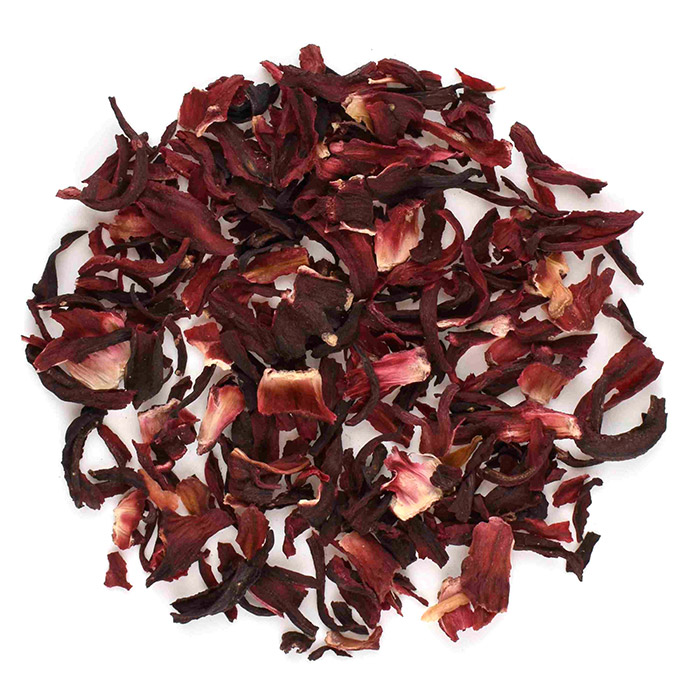
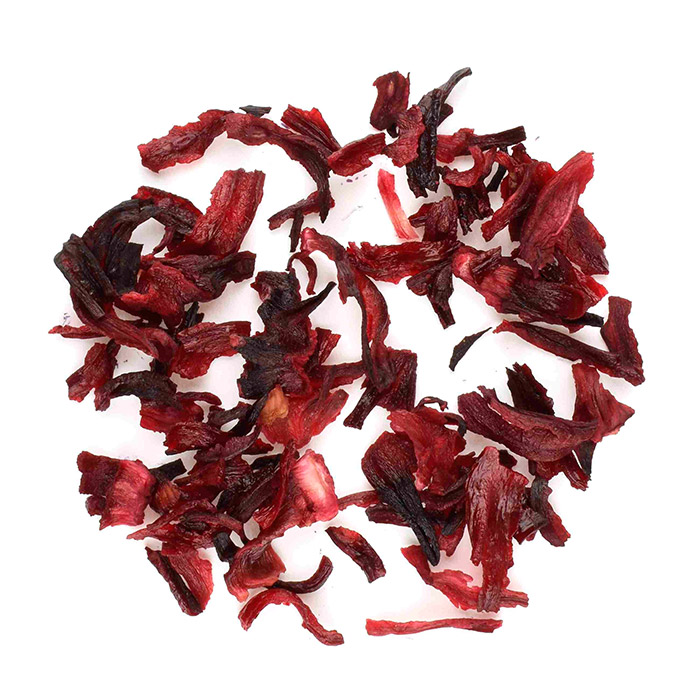
Sudanese Rose herbal tea
Due to its tangy flavour, the Sudanese Rose first gained recognition in Arab nations where it was predominantly consumed in the summer. Its name may be deceptive, but it simply refers to dried hibiscus petals.
540 Ft – 4.390 Ft

Teaware:
medium-sized teapot

Amount of Tea Leaves:
1 tablespoon tea for 250 ml of water

Water Temperature:
100 °C

Steep Time:
7-10 minutes
Description
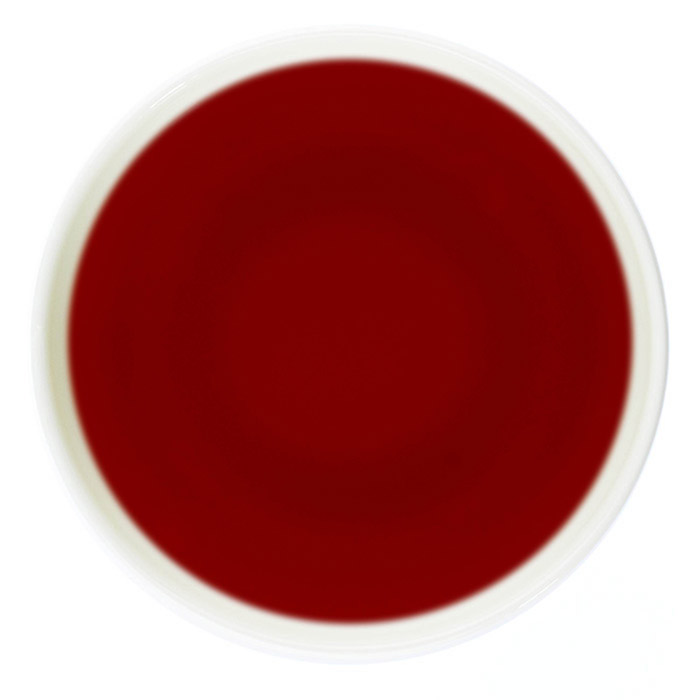
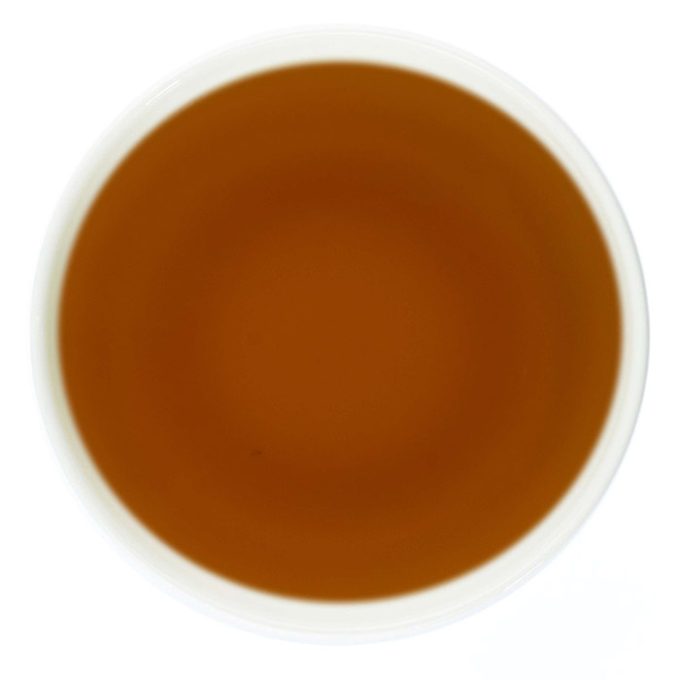
Due to its tangy flavour, the Sudanese Rose first gained recognition in Arab nations where it was predominantly consumed in the summer. Its name may be deceptive, but it simply refers to dried hibiscus petals. The ancestral homeland of the Sudanese Rose, also known by the name hibiscus, is found around Khartoum, near the upper Nile River. The infusion created by the dried hibiscus is rich, delightfully tart, and profoundly shining, which is why it is also known as “mallow colour”. Hibiscus, also known as the hibiscus plant, is a highly eye-catching plant, which is why it has gained popularity as an ornamental plant worldwide. This plant’s wood, originating from Asia, is often carved into decorations. It is referred to as an industrial plant and is also considered a representation of wealth and fame in India and Africa.
Here on earth, there are approximately 200 to 300 species of hibiscus and several of them have medicinal properties. From the dried flowers available in organic stores, we can brew tea that has a variety of beneficial health effects. Several studies have shown that hibiscus tea lowers blood pressure for those with hypertension. Thanks to its antioxidants, it helps to keep LDL, or “bad” cholesterol levels low, thus protecting your body against heart diseases and damage to blood vessels. Hibiscus tea even aids in the treatment of liver diseases. The antioxidants neutralize free radicals, protecting the body and thereby increase lifespan and overall health. A Taiwanese study found that hibiscus tea can slow down the development of cancer cells.
Preparation
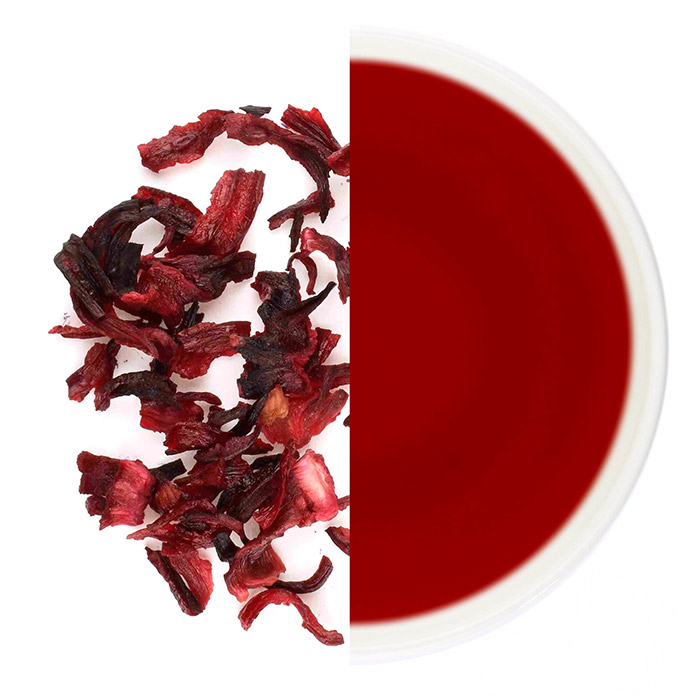
In the case of loose, authentic, non-bagged teas, making hibiscus tea is no different from brewing any other tea. Pour 250 ml of boiling water over 1 tablespoon – which is approximately 4 – 5 grams – of hibiscus flower and let it steep covered for 7 – 10 minutes. You will find that the tea is already very pleasant on its own, however freely customize it to your taste by adding lemon, mint, ginger, honey, or sugar if preferred. Not only can you brew it, but you can also infuse it. In this instance, soak the same quantity for roughly 20 minutes in warm – but not hot – water. Due to its high vitamin C concentration, infusing might even make it more beneficial than it already is. During this time, you’ll get a concentrated beverage, which you can then dilute further according to your own personal preference.
Related products
-

Wild Blueberry leaf herbal tea
1.080 Ft – 5.780 Ft -
Lapacho herbal tea
780 Ft – 5.030 Ft -
Yogi tea herbal tea
870 Ft – 5.300 Ft -
Peppermint herbal tea
780 Ft – 5.030 Ft -
Sakurabacha herbal tea
5.940 Ft – 19.800 Ft -
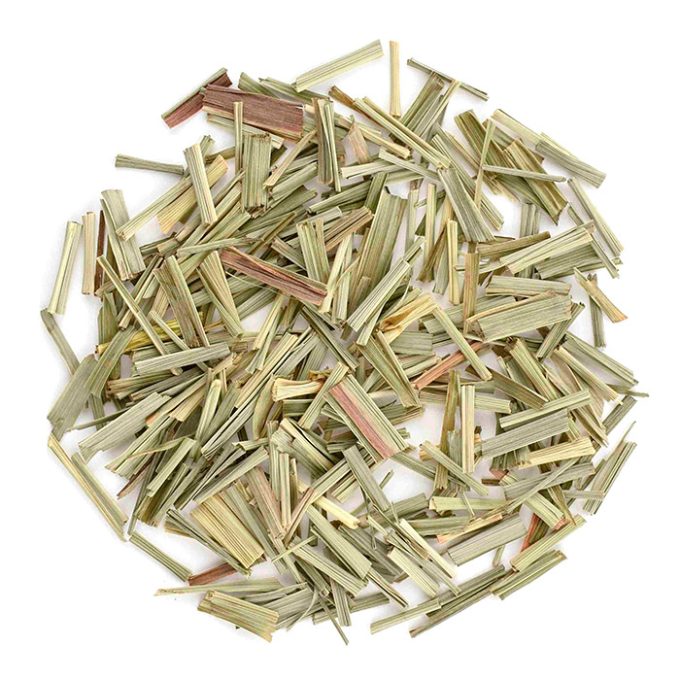
Asian Lemongrass herbal tea
720 Ft – 5.390 Ft -
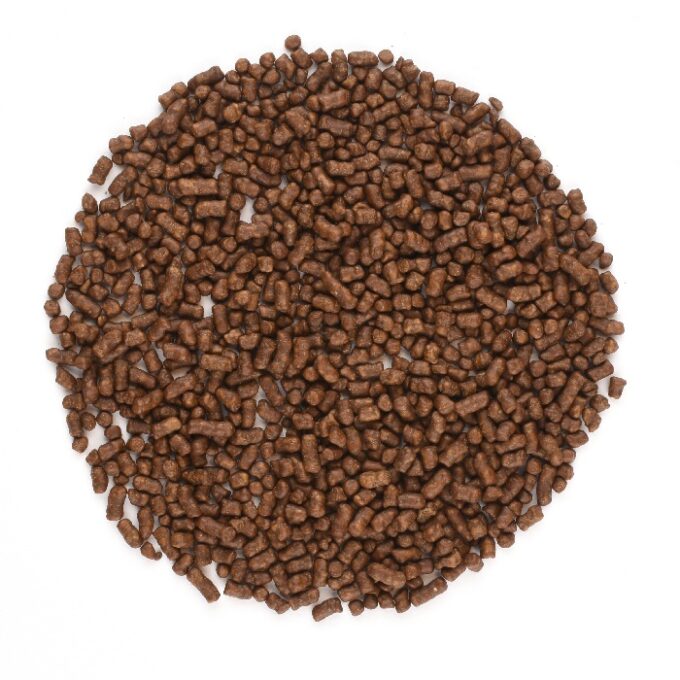
Memil-cha
600 Ft – 4.550 Ft
Roasted Buckwheat Herbal tea -
Moringa herbal tea
1.080 Ft – 4.790 Ft -
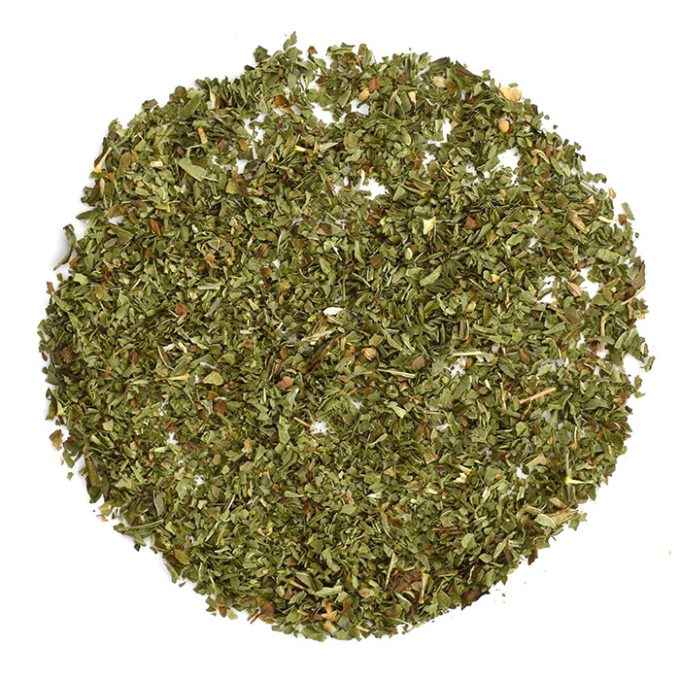
Moroccan Mint herbal tea
540 Ft – 4.390 Ft -
Blueberry leaf herbal tea
540 Ft – 4.340 Ft -
Rooibos herbal tea
630 Ft – 4.630 Ft





 No products in the cart.