

Liuan Guapian Green tea
A distinctive Chinese green tea from Anhui Province, with a characteristic leaf shape, a fresh, full-bodied character and delicately sweet, vegetal aromas.
Place of origin: CHINA
2.850 Ft – 10.500 Ft

Teaware:
Glass or porcelain teapot

Amount of tea:
4–5 g / 150–200 ml

Water temperature:
75–80 °C

Steeping time:
1.5–2 minutes
Description
Liuan Guapian is a classic Chinese green tea from the Liuan region of Anhui Province. Its distinctive feature is that it is traditionally made without young buds: during processing, the buds and stems are removed, and the tea is produced from the separated leaf blades. This is unusual among China’s famous green teas.
The name “Guapian” refers to the characteristic shape of the finished tea, traditionally compared to melon seeds. The leaves are pan-fired and shaped, then dried in several stages. One of the most distinctive steps in the process is the final, more intensive drying known as lao huo, which plays an important role in developing the tea’s final appearance and character.
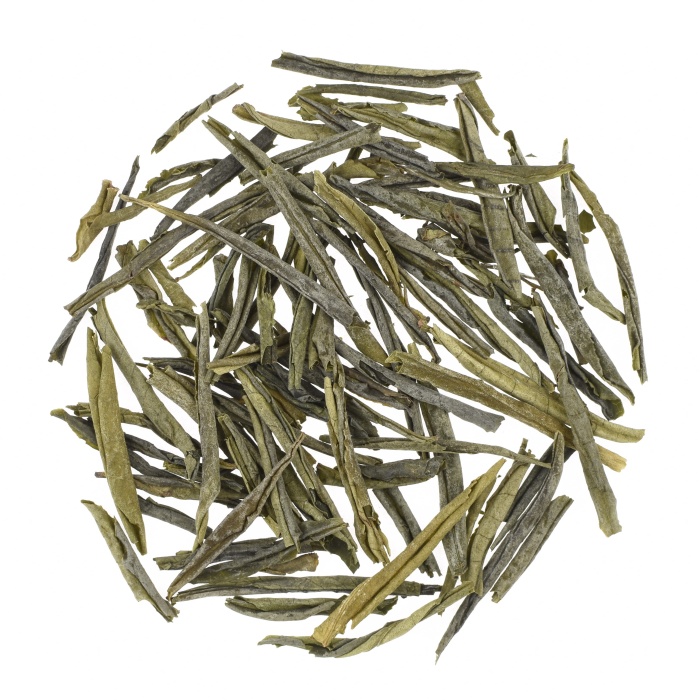
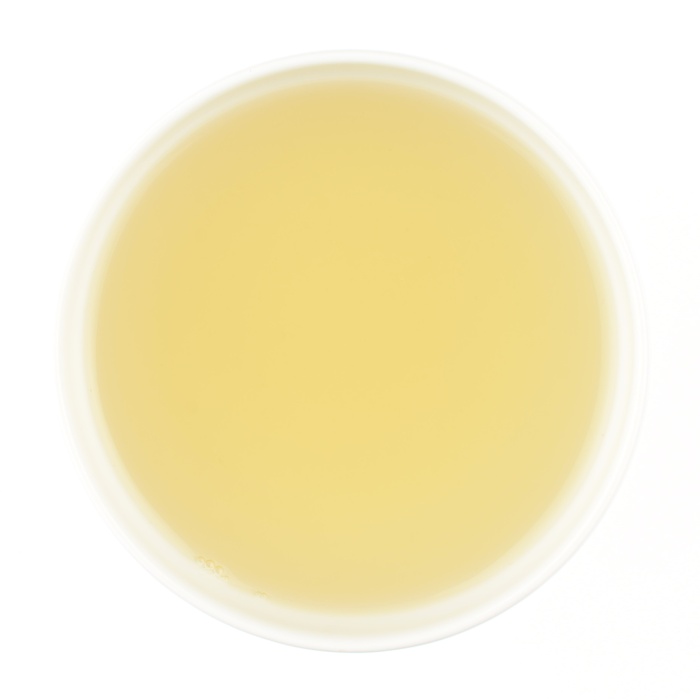
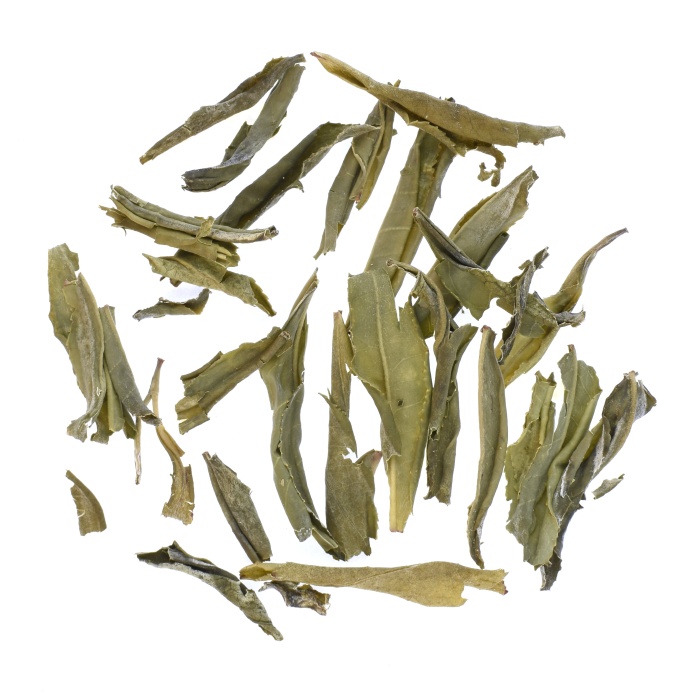
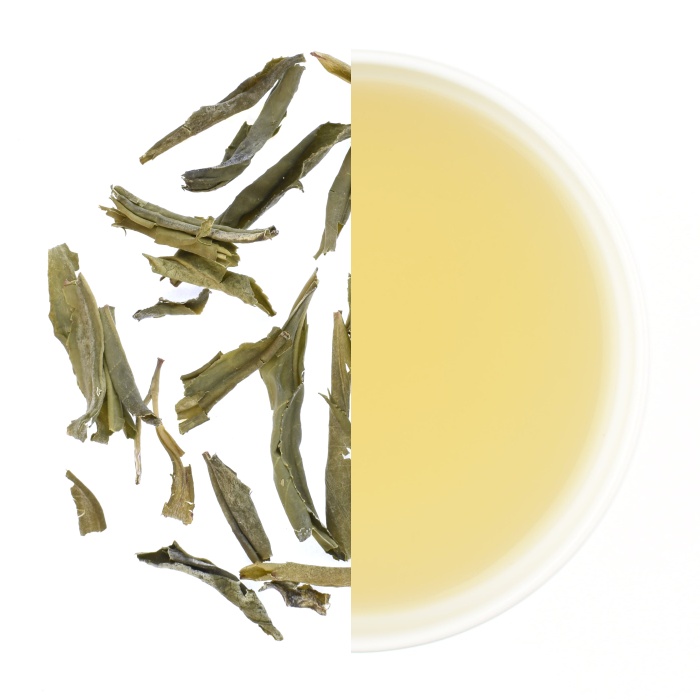
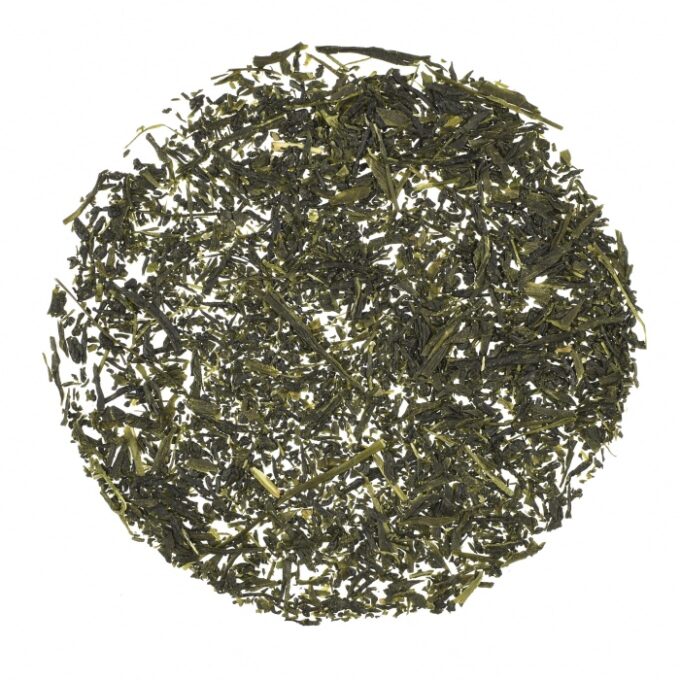
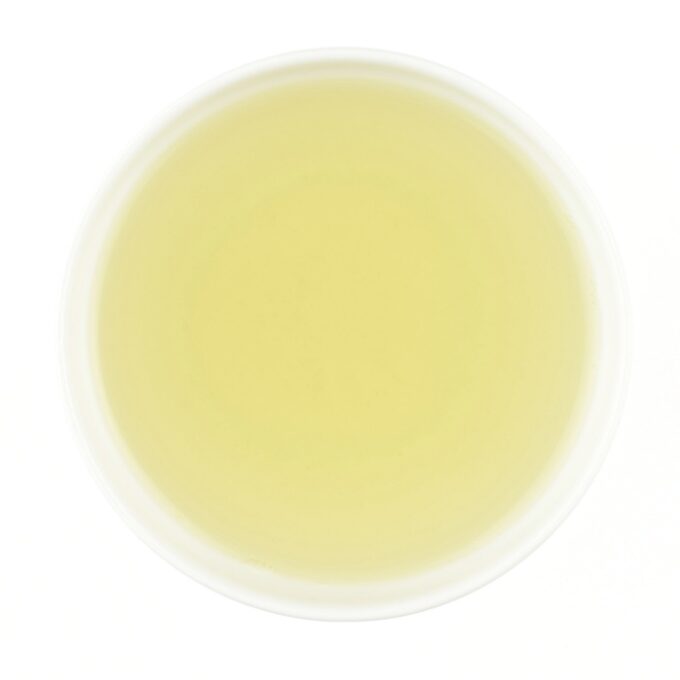
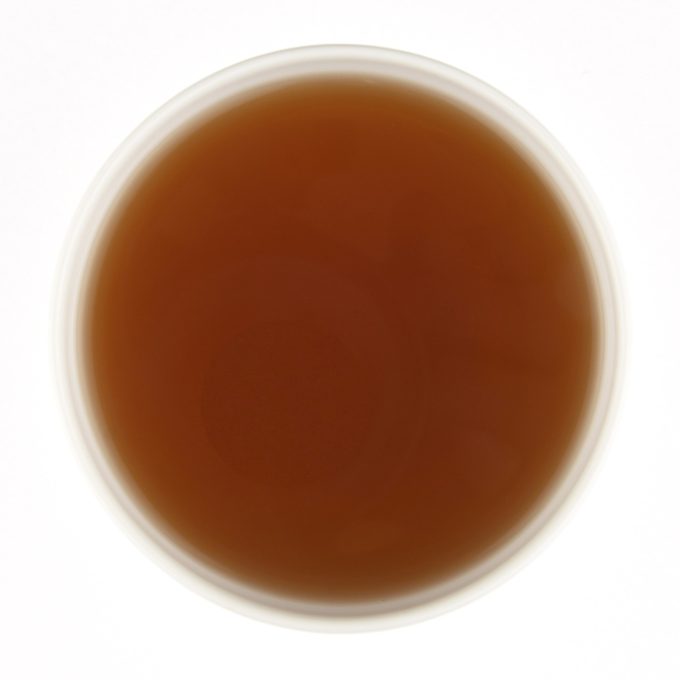
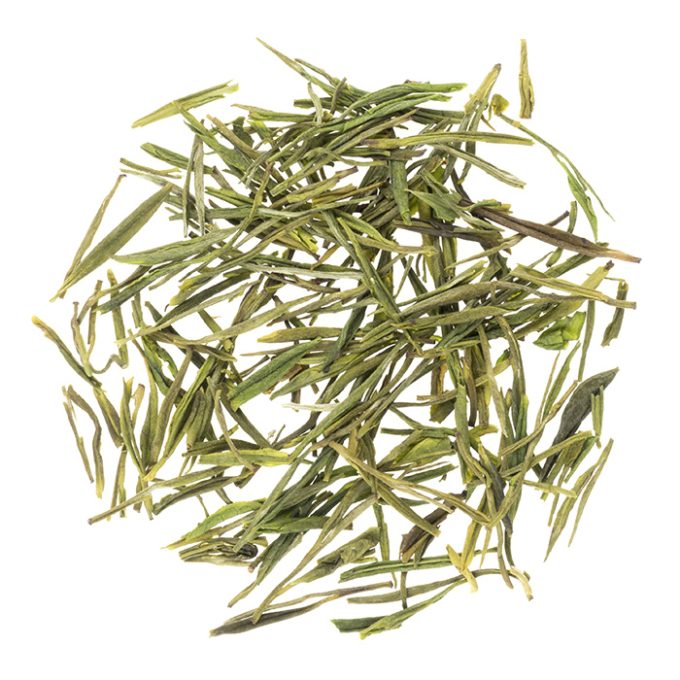
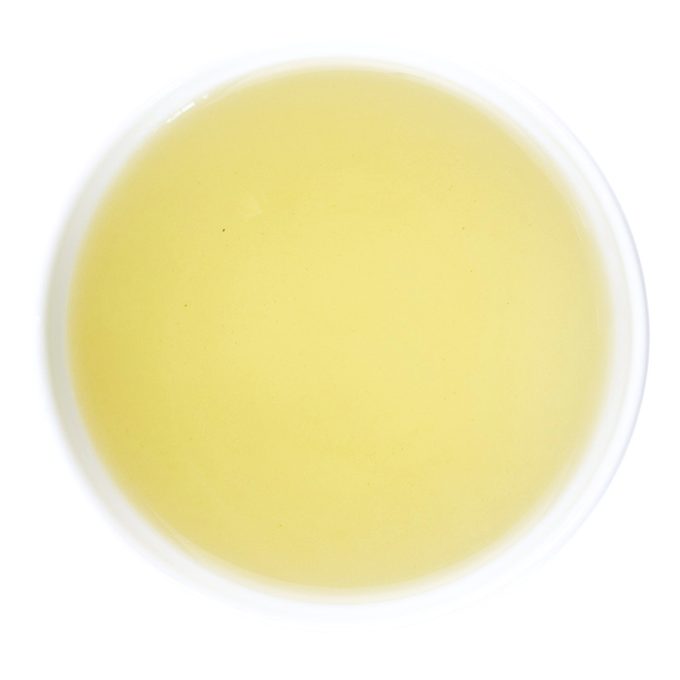
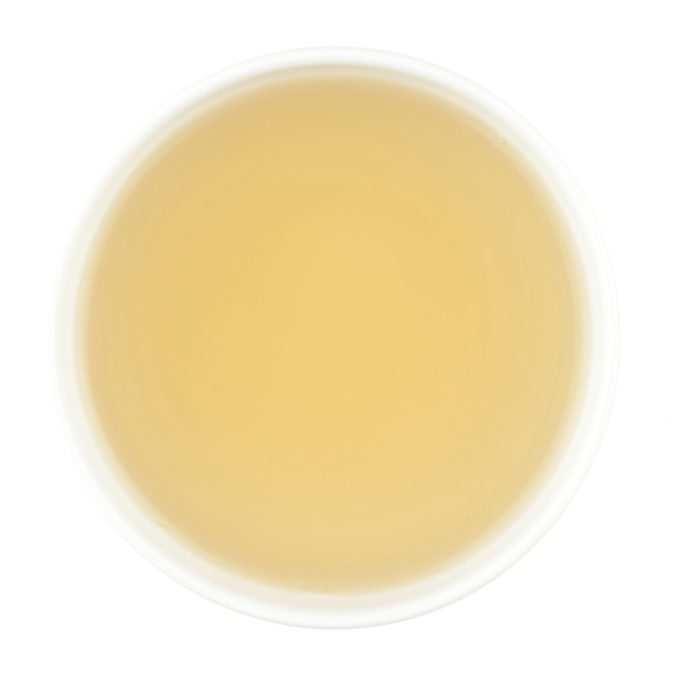
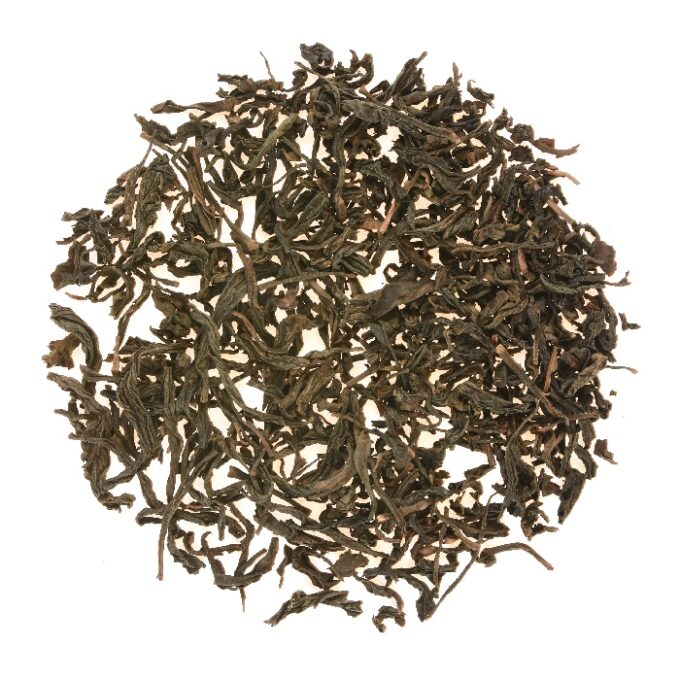
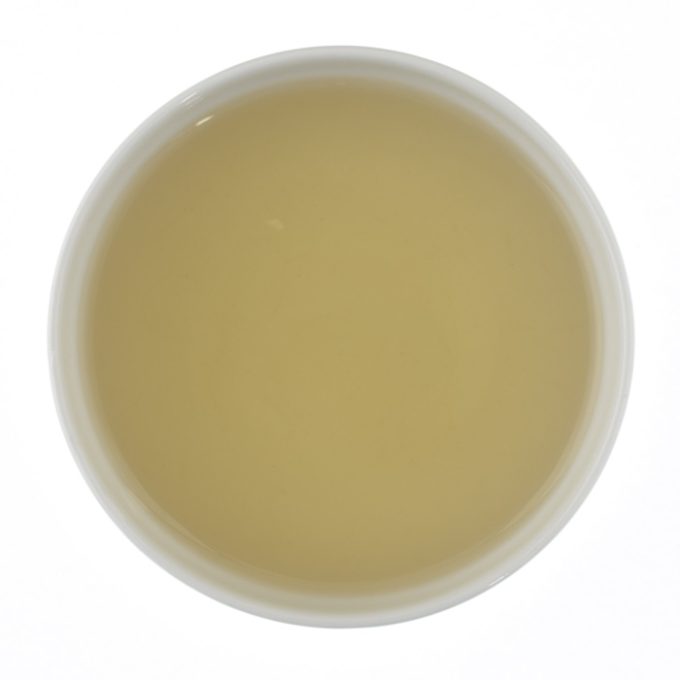
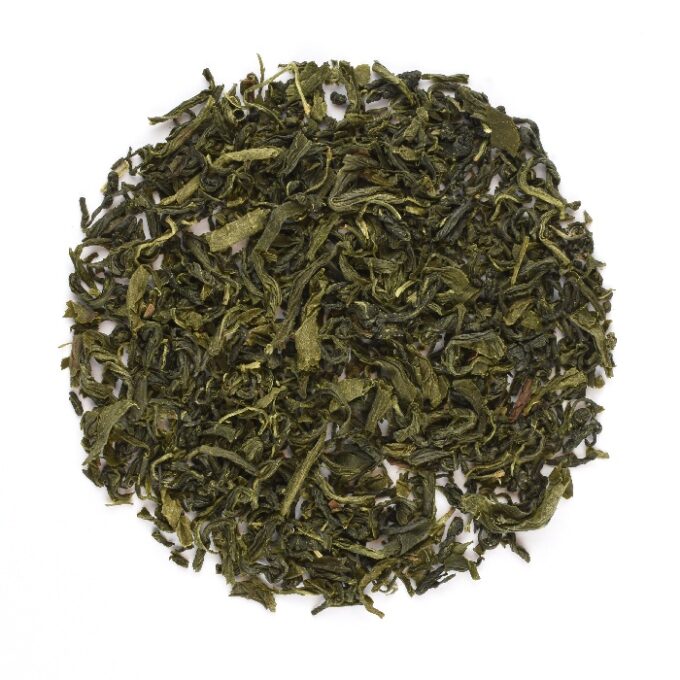
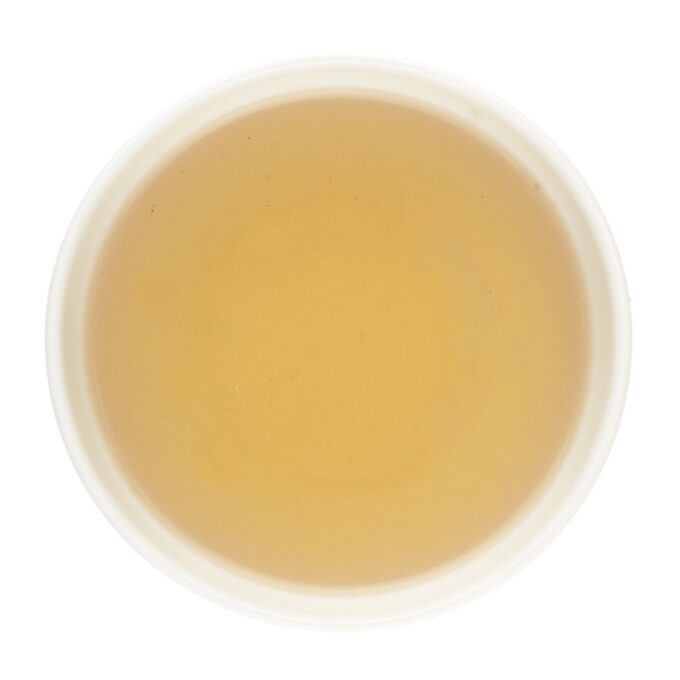
The dry tea consists of elongated, flat and partly gently curved leaves, ranging in colour from olive green to darker greyish green. Once infused, it produces a clear, pale golden-yellow liquor. During steeping, the leaves gradually unfold, revealing the larger, elongated leaf blades.
Its flavour combines fresh vegetal notes, delicate sweetness and a gently roasted character, with a pleasant, clean finish. It is a full-bodied yet well-balanced Chinese green tea.
History
The tea culture of Liuan and western Anhui has a long history. Teas from the Liuan region appeared in early historical sources, and during the Ming dynasty, Xu Guangqi also mentioned the leaf tea produced in the Liuan region in his Nongzheng Quanshu. During the Qing dynasty, Liuan Guapian also became known as a tribute tea for the imperial court.
The tea’s distinctive character is shaped not only by the selection of the leaves but also by its unique processing method. Traditional production consists of seven main stages: after harvesting, the leaves are separated, followed by two stages of pan-firing and shaping, and then three successive drying stages. The final lao huo stage is particularly important in developing the characteristic appearance and character of Liuan Guapian.
The traditional production technique of Liuan Guapian was added to China’s national list of intangible cultural heritage in 2008. The geographical origin of the tea is also protected today.
Preparation
Use 4–5 g of tea per 150–200 ml of water, preferably in a glass or porcelain teapot. Allow the water to cool to 75–80 °C, then steep the first infusion for approximately 1.5–2 minutes.
For subsequent infusions, gradually increase the steeping time and, if necessary, slightly increase the water temperature. The larger leaf blades need enough room to unfold freely during steeping.
Related products
-

Fenghuang Dan Cong oolong tea
3.480 Ft – 12.270 Ft -
Ban Tian Yao oolong tea
1.980 Ft – 8.180 Ft -
Miyazaki Sencha Green tea
3.300 Ft – 11.790 Ft -
Lapsang Souchong Chinese Black Tea
1.080 Ft – 5.830 Ft -
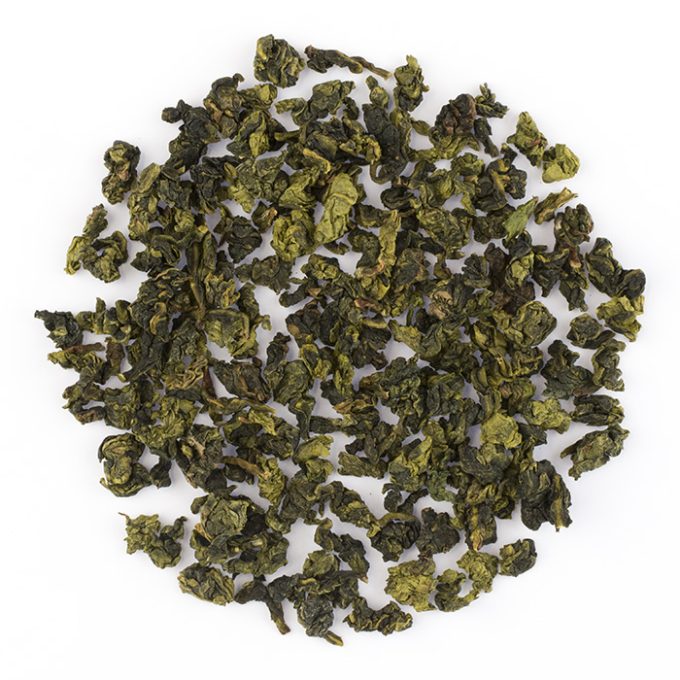
Tie Guan Yin oolong tea
2.340 Ft – 9.230 Ft -
2004 Old Icelandic Aged Pu-erh Tea Másolata
2.400 Ft – 28.560 Ft -
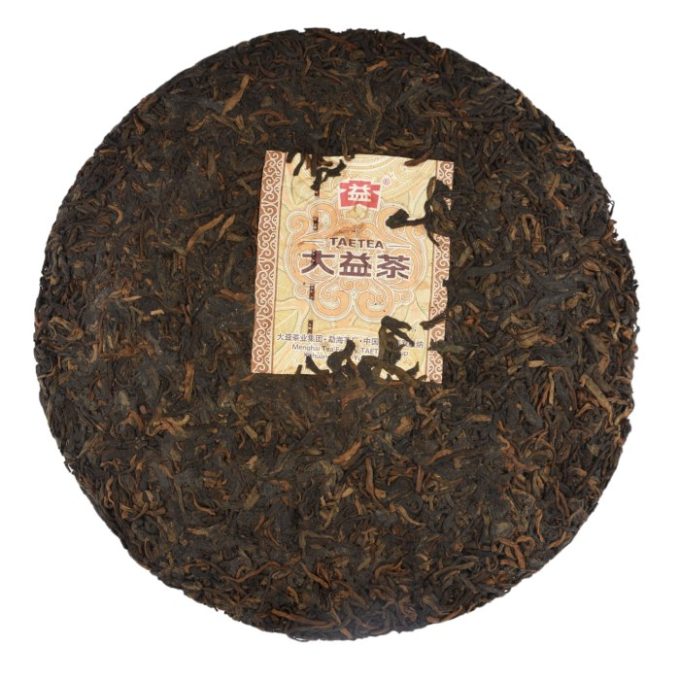
2015 Yunnan Menghai Dayi Sheng Pu-erh Tea (7552)
2.760 Ft – 32.844 Ft -
Anji Bai Cha green tea
3.600 Ft – 12.550 Ft -
Xinyang Mao Jian Green tea
2.700 Ft – 10.100 Ft -
Hà Giang Chè Xanh green tea
1.560 Ft – 7.150 Ft -
Jasmine Dragon Pearl green tea
2.880 Ft – 10.670 Ft -
Korean Jeju Organic green tea
2.100 Ft – 8.550 Ft

 No products in the cart.