

Anji Bai Cha green tea
A distinctive Chinese green tea with pale spring shoots, a soft, fresh character and delicate, sweet aromas.
Place of origin: CHINA
3.600 Ft – 12.550 Ft

Teaware:
a small Yixing clay teapot
or simply a glass cup

Amount of tea:
5 g of tea for 150 ml of water

Water temperature:
< 80 °C

Steeping time:
1 minute
Description
The name Anji Bai Cha can be somewhat misleading: although it means “Anji White Tea”, it is actually a green tea in terms of processing. Its distinctive character comes from a rare tea cultivar whose young shoots can become remarkably pale during the low temperatures of early spring. As temperatures rise, chlorophyll production increases and the leaves gradually turn greener.
Anji Bai Cha originates from Anji County in Zhejiang Province. The period when its shoots are pale is particularly prized for tea production: at this stage, the leaves have a lower chlorophyll content while being rich in free amino acids, including theanine. This unusual composition contributes to Anji Bai Cha’s refined, smooth character.
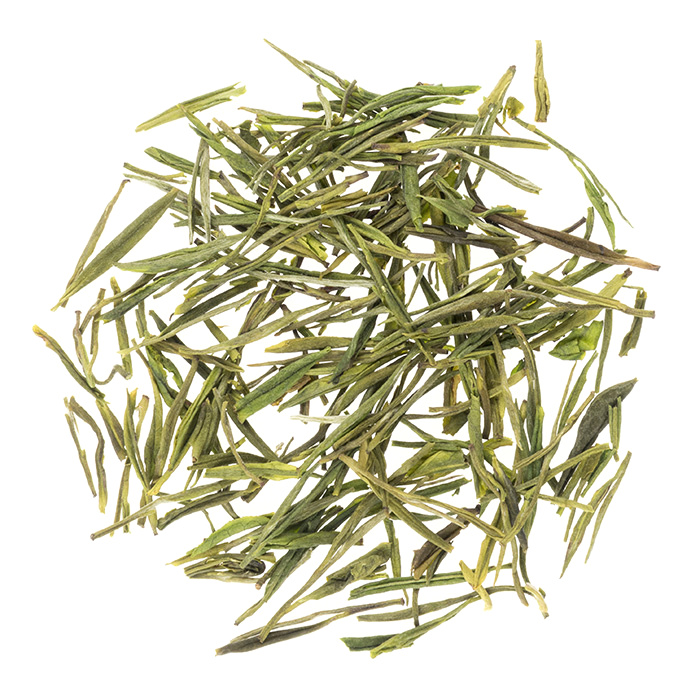
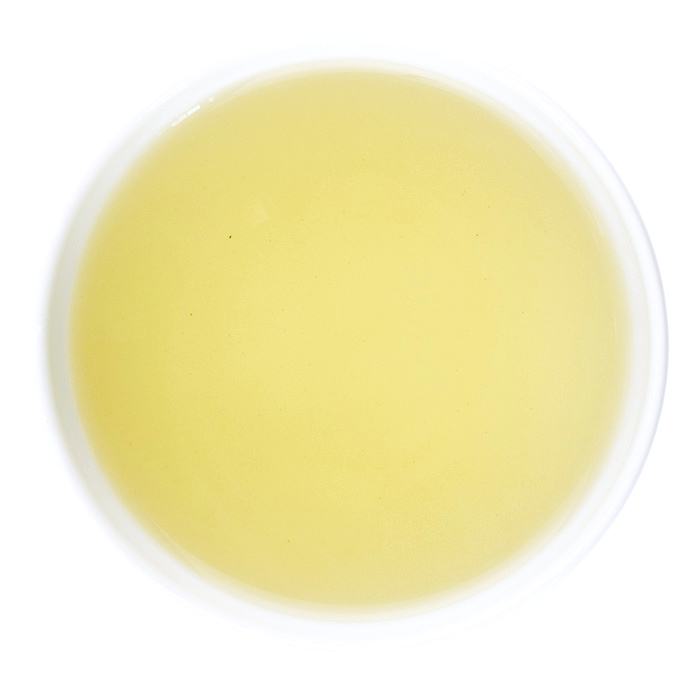
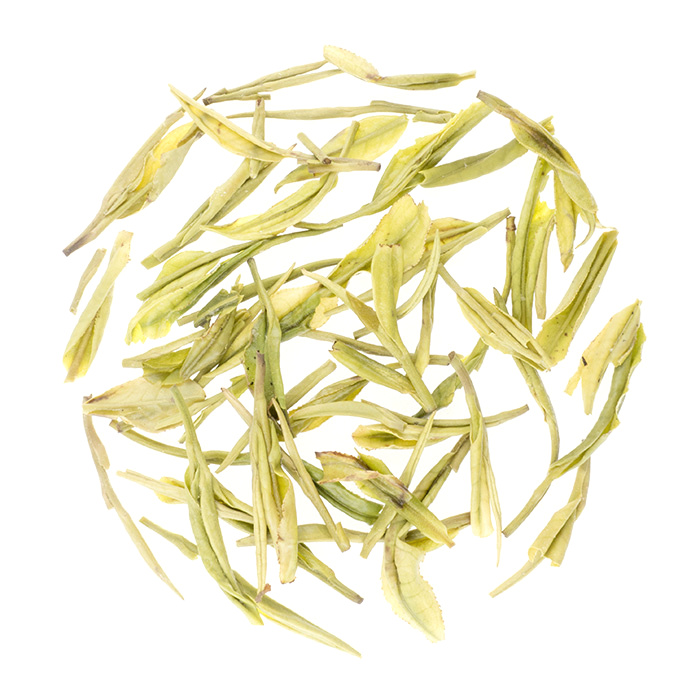
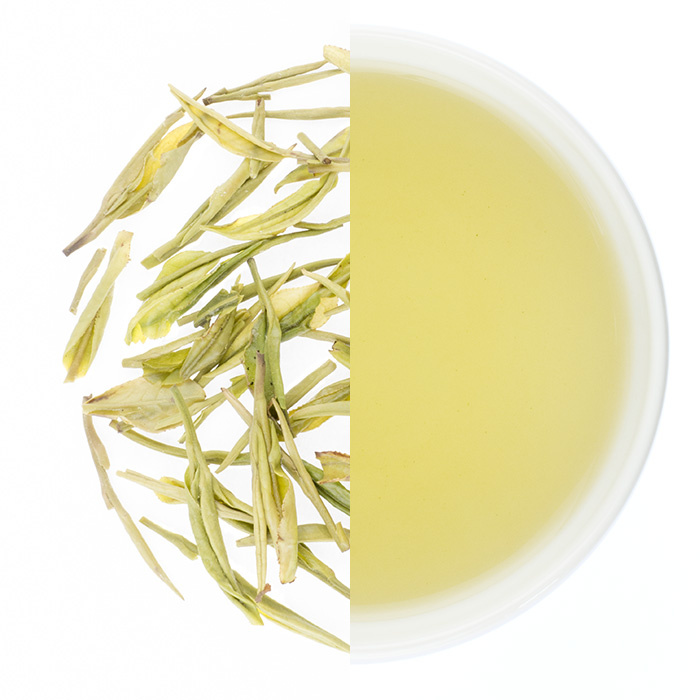
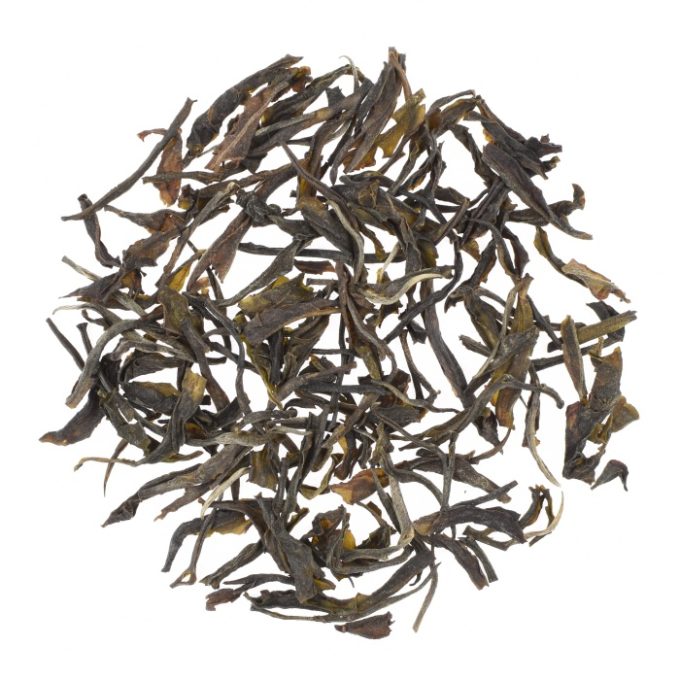
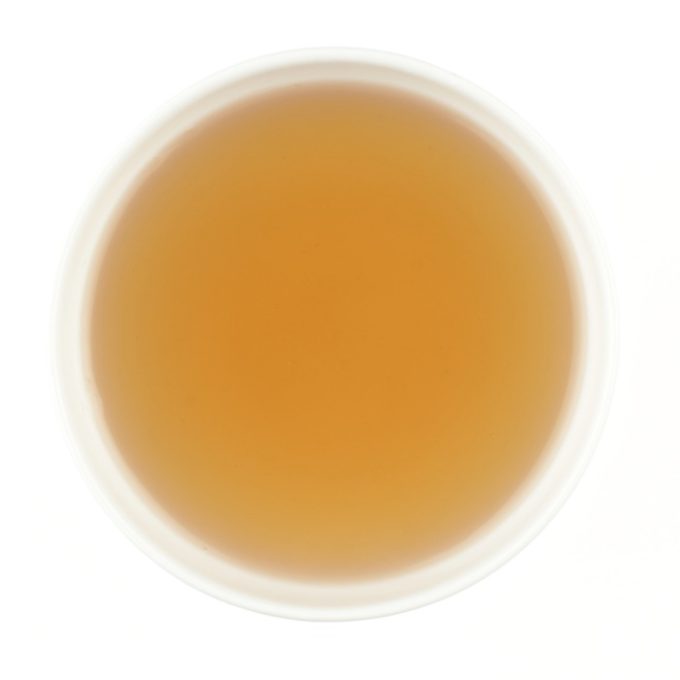
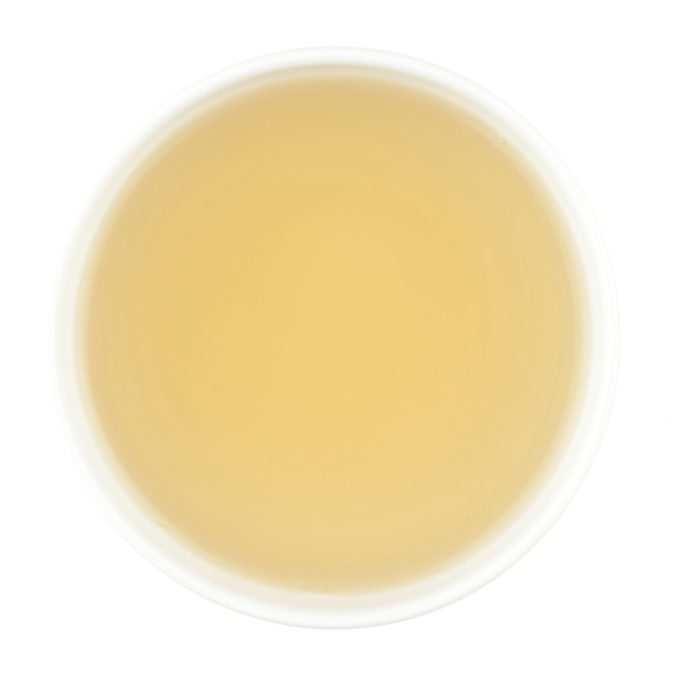
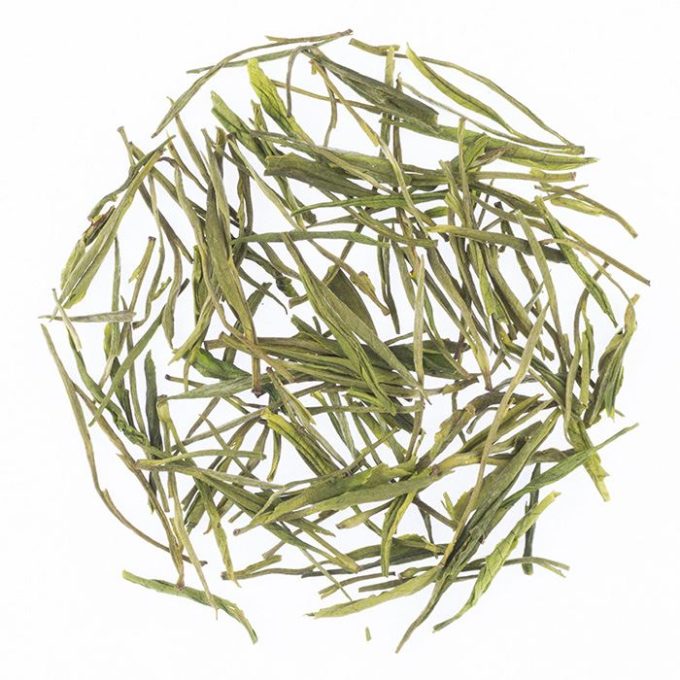
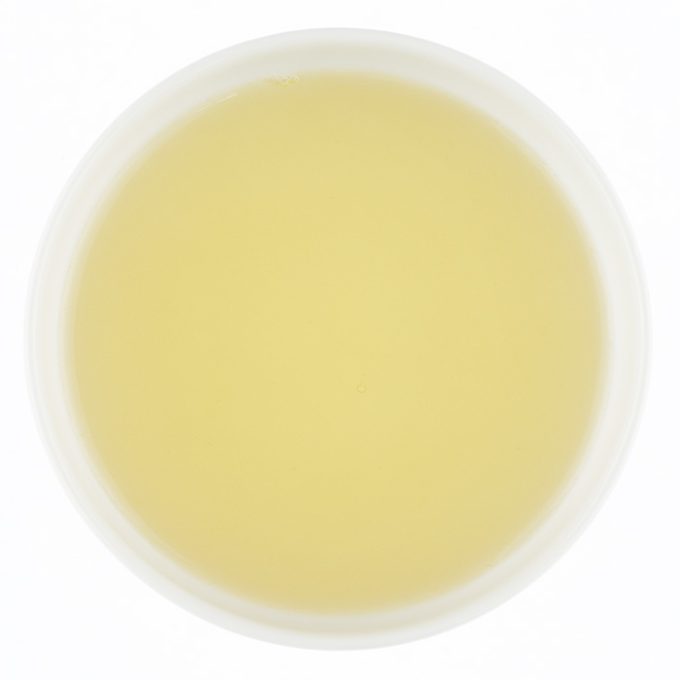
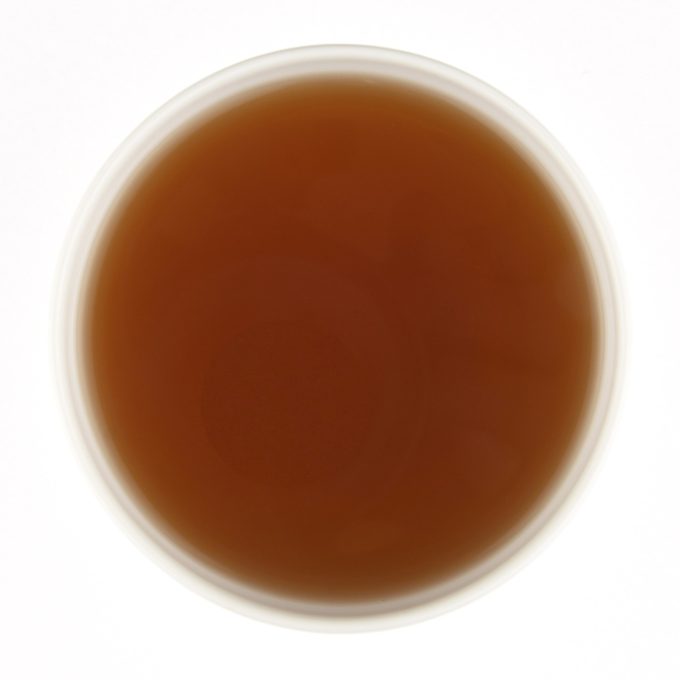
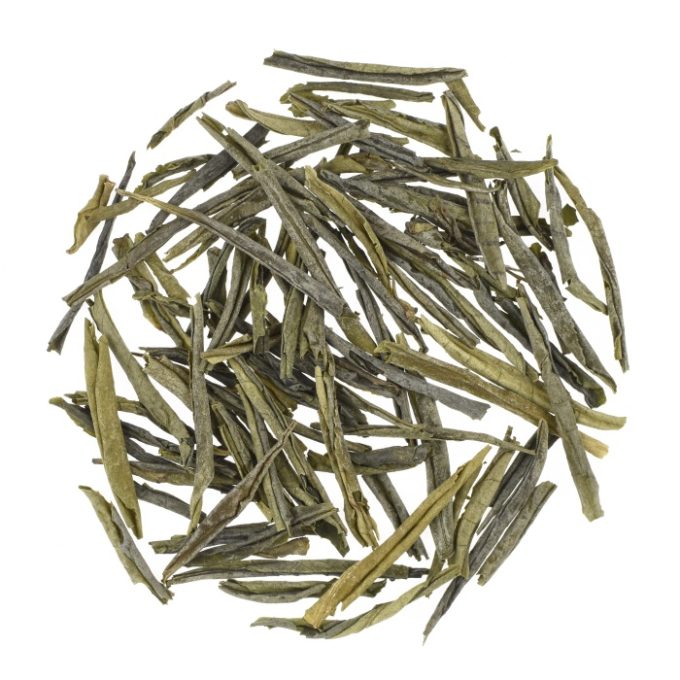
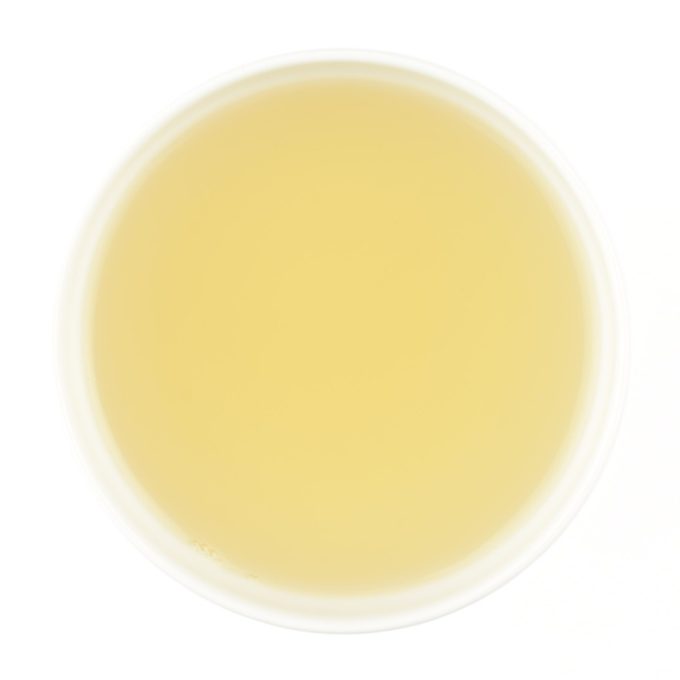
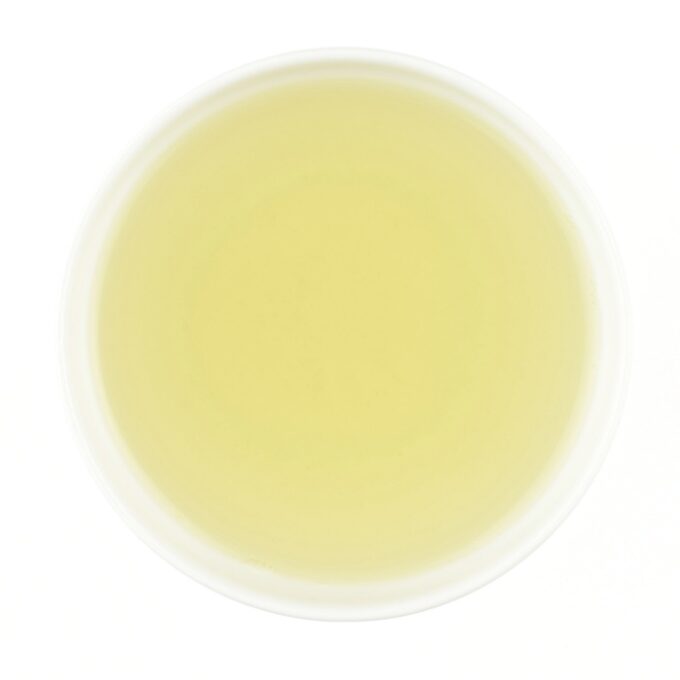
The dry tea consists of long, slender, needle-like leaves in shades of green and yellow-green. Once infused, it produces a clear, pale golden-yellow liquor. The leaves gradually unfold, revealing their distinctive light yellow-green colour.
History
Anji Bai Cha has an interesting historical connection. During the Song Dynasty, Emperor Huizong described an unusual pale-leaf tea plant in his famous treatise on tea, the Da Guan Cha Lun. However, there is no conclusive evidence that the plant mentioned centuries ago was identical to today’s Anji Bai Cha, so this is best regarded as an intriguing historical connection rather than a confirmed origin story.
Modern Anji Bai Cha comes from a naturally mutated tea cultivar that has become one of China’s best-known speciality green teas, valued for its unusual spring leaf colour and high amino acid content.
Preparation
Use 5 g of tea per 150 ml of water, preferably at a temperature below 80 °C. You can prepare it in a small clay teapot or a glass cup. A glass vessel is particularly suitable for this tea, as it allows you to watch the long, slender leaves gradually unfold.
Steep the first and second infusions for approximately 1 minute, then gradually increase the steeping time for subsequent infusions.
Its flavour is fresh, smooth and delicately sweet, with light floral aromas reminiscent of orchids.
Related products
-

Khar Chauk burmese wild green tea
2.040 Ft – 8.390 Ft -
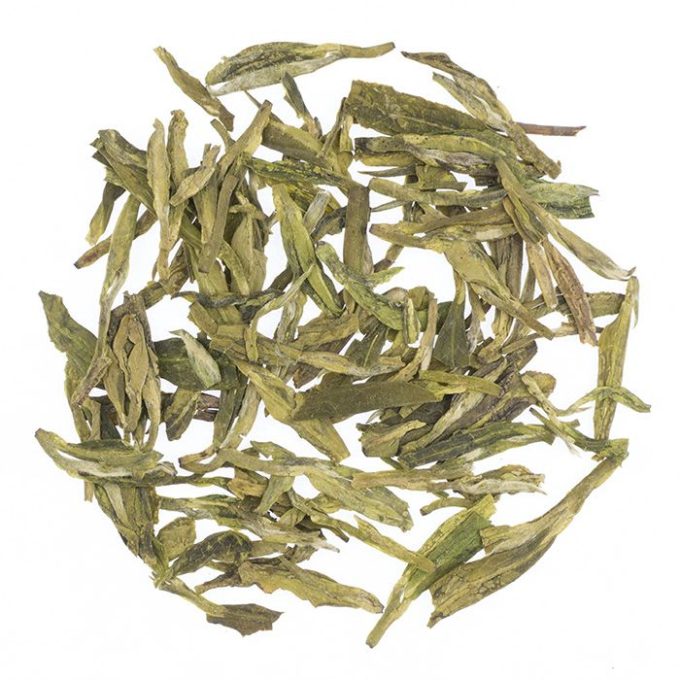
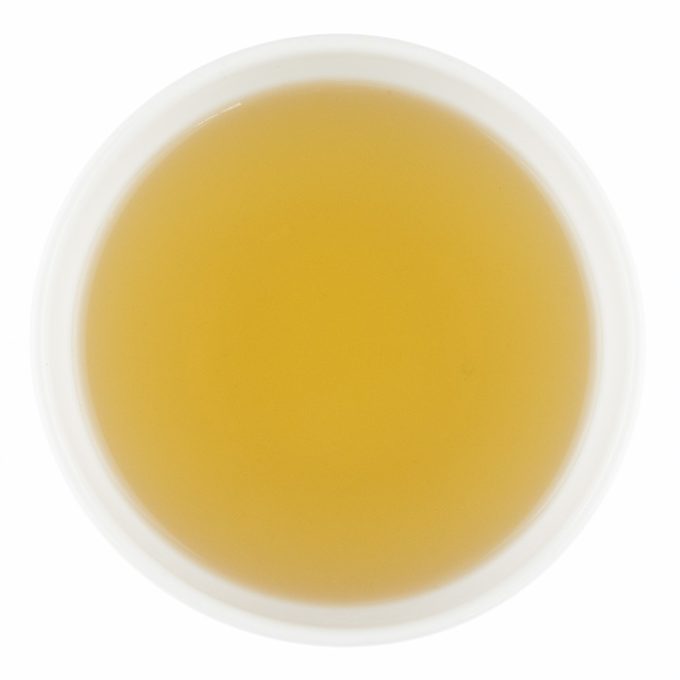
Long Jing green tea
3.790 Ft – 13.030 Ft -
Tie Guan Yin oolong tea
2.340 Ft – 9.230 Ft -
Xinyang Mao Jian Green tea
2.700 Ft – 10.100 Ft -
HuangShan Maofeng green tea
3.450 Ft – 12.150 Ft -
2004 Old Icelandic Aged Pu-erh Tea Másolata Másolata Másolata
2.400 Ft – 28.560 Ft -
Lang He Cha Yunnan Toucha pu-erh tea
2.500 Ft – 8.320 Ft -
Matcha Kyoto Green tea
8.900 Ft -
Moonlight White Buds white tea
3.120 Ft – 8.320 Ft -
2015 Yunnan Menghai Dayi Sheng Pu-erh Tea (7552)
2.760 Ft – 32.844 Ft -
Liuan Guapian Green tea
2.850 Ft – 10.500 Ft -
Miyazaki Sencha Green tea
3.300 Ft – 11.790 Ft



 No products in the cart.